EAT8 Gearbox Review: Reliability, Problems, Maintenance, and Complete Guide to Peugeot’s 8-Speed Automatic Transmission

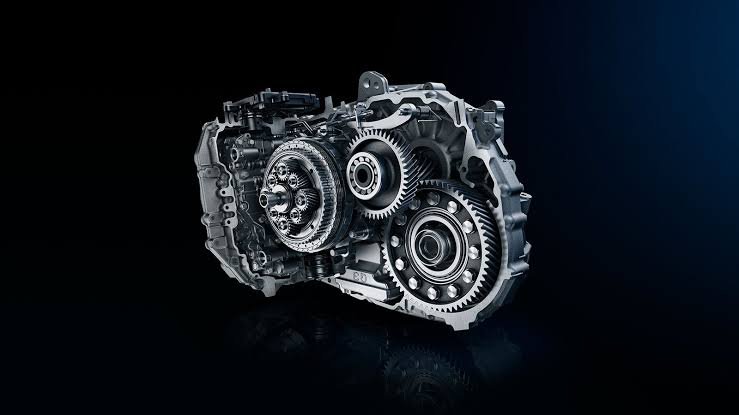
When buying a Peugeot, Citroën, DS, or Opel vehicle with an automatic transmission, one of the most common questions buyers ask is whether the EAT8 gearbox is reliable for long-term ownership. A modern transmission is not only responsible for changing gears; it directly affects driving comfort, fuel economy, performance, and repair costs. This is why understanding how the EAT8 works and how it performs in real-world conditions is important before purchasing or maintaining a vehicle equipped with this gearbox.
The EAT8 gearbox is an 8-speed automatic transmission developed by Aisin, a Japanese manufacturer known for producing durable automatic transmissions used by several global automotive brands. Unlike many dual-clutch transmissions that focus mainly on extremely fast gear changes, the EAT8 uses a torque converter design that prioritizes smooth operation, especially during city driving, traffic conditions, and low-speed maneuvers.
This guide explains everything about the EAT8 gearbox, including how it works, its advantages, reliability, common issues, maintenance requirements, lifespan, and comparisons with other popular automatic transmissions. Whether you already own an EAT8-equipped Peugeot or are considering buying a used vehicle with this transmission, this information will help you make a better decision.
What Is the EAT8 Gearbox and Who Manufactures It?
The EAT8 gearbox means Efficient Automatic Transmission 8-speed. It was introduced as an improvement over Peugeot’s older EAT6 automatic transmission, adding two extra gears to improve efficiency, smoothness, and overall driving performance. The gearbox was developed by Aisin, a respected transmission manufacturer with decades of experience in automatic gearbox technology.
The main goal behind the EAT8 was to create a transmission that could deliver both comfort and efficiency. The additional gear ratios allow the engine to stay within its ideal operating range more often. During highway driving, the eighth gear reduces engine RPM, which helps lower noise levels and improve fuel economy. During acceleration, the gearbox can select the appropriate gear quickly to provide smoother power delivery.
The EAT8 gearbox is used across many Stellantis vehicles, including Peugeot models such as the 208, 308, 3008, 5008, and 508. It is also found in selected Citroën, DS, and Opel models. Depending on the vehicle configuration, the transmission can work with petrol engines, diesel engines, and certain hybrid powertrains.
How Does the EAT8 Automatic Transmission Work?
The EAT8 gearbox uses a traditional torque converter automatic transmission design. Inside the system are planetary gear sets, hydraulic components, electronic control units, and a lock-up torque converter that manages power transfer between the engine and wheels. This design is different from dual-clutch transmissions because it does not rely on friction clutches for every gear change.
The torque converter is one of the reasons the EAT8 feels smooth in daily driving. When starting from a complete stop, especially in traffic or during parking, the gearbox can transfer power gradually without the sudden engagement feeling sometimes experienced with some automated manual or dual-clutch systems.
The transmission control module constantly analyzes driving conditions, including vehicle speed, throttle input, engine load, and driving style. Based on this information, it selects the most suitable gear. In normal mode, it focuses on comfort and efficiency, while Sport mode holds gears longer and provides quicker response when stronger acceleration is needed.
The eight-speed design also improves engine efficiency because the gearbox can maintain lower RPM levels during cruising. This reduces engine workload, improves refinement, and makes long-distance driving more comfortable.
EAT8 Gearbox Real-World Driving Experience
One of the biggest strengths of the EAT8 gearbox is how naturally it behaves during everyday driving. Many automatic transmissions perform well during testing but feel uncomfortable in real traffic. The EAT8 is designed around smoothness, making it particularly suitable for drivers who spend time in urban environments.
In city traffic, the torque converter system allows gradual movement when releasing the brake, making parking and slow-speed driving easier. Gear changes are generally smooth, and the transmission avoids the frequent hesitation that some drivers experience with certain dual-clutch systems during stop-and-go conditions.
On highways, the EAT8 gearbox shows another advantage. Once the vehicle reaches cruising speed, the higher gears help keep engine speed low. This results in a quieter cabin experience and improved fuel efficiency. During overtaking, the transmission can quickly downshift to provide additional power when needed.
However, driving experience can also depend on the vehicle model, engine combination, software calibration, and maintenance history. A well-maintained EAT8 will usually provide a much better experience than a neglected transmission.
Is the EAT8 Gearbox Reliable?
The EAT8 gearbox has developed a positive reputation for reliability because it uses a proven torque converter design from Aisin. Compared with some complicated transmission systems, the EAT8 has fewer concerns related to clutch wear because it does not use traditional dual-clutch technology.
A major reason behind its durability is the combination of mechanical simplicity and electronic control. The gearbox is designed to handle everyday driving conditions, including heavy traffic, highway journeys, and frequent acceleration. Many owners report smooth operation even after high mileage when the transmission has received proper maintenance.
However, reliability does not mean the gearbox requires no attention. Like any mechanical component, the EAT8 depends on correct servicing. Transmission fluid quality, driving conditions, temperature, and maintenance history all influence how long the gearbox will perform efficiently.
A well-maintained EAT8 gearbox can potentially last beyond 200,000 kilometers. The actual lifespan depends on factors such as regular fluid servicing, driving habits, climate conditions, and whether the vehicle has been used for demanding activities such as towing or constant heavy traffic.
Common EAT8 Gearbox Problems and Symptoms
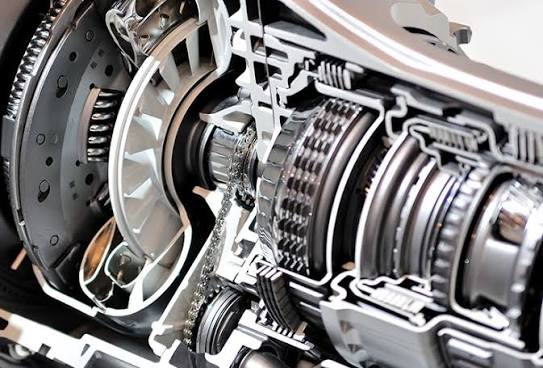
Although the EAT8 gearbox is generally reliable, some owners may experience problems over time. Many issues are not caused by a fundamental design weakness but by maintenance neglect, software issues, or normal wear of transmission components.
One possible issue is rough or delayed shifting. Drivers may notice hesitation when the gearbox changes gears, especially if the transmission fluid has degraded or if the electronic adaptation settings require adjustment. In some cases, updating transmission software or performing a diagnostic check can improve shifting behavior.
Other warning signs include delayed engagement when selecting Drive or Reverse, unusual noises, vibration during acceleration, transmission warning messages, or unexpected gear changes. These symptoms should not be ignored because early diagnosis can prevent more expensive repairs.
Common factors that can contribute to EAT8 problems include:
- Old or contaminated transmission fluid
- Incorrect fluid specification
- Software calibration issues
- Excessive heat exposure
- Lack of regular servicing
A professional inspection is recommended whenever unusual gearbox behavior appears.
EAT8 Gearbox Oil Change and Maintenance Guide
Transmission maintenance is one of the most important factors affecting EAT8 gearbox lifespan. Although some manufacturers describe modern automatic transmissions as “sealed for life,” many transmission specialists recommend changing the fluid periodically to maintain long-term performance.
Transmission fluid performs several important functions. It lubricates internal components, controls hydraulic pressure, reduces heat, and helps the gearbox operate smoothly. Over time, high temperatures and continuous use can reduce the effectiveness of the fluid.
Many specialists suggest servicing the EAT8 gearbox fluid around every 60,000 to 80,000 kilometers, although the ideal interval depends on driving conditions. Vehicles used in hot climates, heavy traffic, or frequent short journeys may require more attention.
During maintenance, it is important to use the correct manufacturer-approved transmission fluid. Using unsuitable fluid can affect shifting quality and may damage internal components. Regular inspections for leaks, unusual noises, and changes in shifting behavior can help identify problems before they become serious.
EAT8 Gearbox vs EAT6, DSG, and CVT Transmission
The EAT8 gearbox was designed as an improvement over the previous EAT6 transmission. The additional two gears provide better efficiency, smoother acceleration, and lower engine RPM during highway driving. While EAT6 remains a reliable transmission, EAT8 offers newer technology and improved refinement.
Compared with DSG dual-clutch transmissions, the EAT8 focuses more on comfort and durability. DSG systems can provide extremely fast gear changes, which benefits performance driving, but some versions can feel less smooth during slow-speed situations. The EAT8’s torque converter design generally provides a more relaxed driving experience.
Compared with CVT transmissions, the EAT8 provides a more traditional driving feel because it uses fixed gear ratios. Some drivers prefer this because acceleration feels more natural and predictable.
For most everyday drivers, the EAT8 offers an excellent balance between smoothness, reliability, efficiency, and maintenance practicality.
Which Cars Use the EAT8 Gearbox?
The EAT8 transmission is widely used throughout Stellantis vehicle platforms. Some popular vehicles equipped with this gearbox include:
- Peugeot 208
- Peugeot 308
- Peugeot 3008
- Peugeot 5008
- Peugeot 508
- Citroën C5 Aircross
- DS models
- Selected Opel vehicles
The exact transmission availability depends on the model year, engine option, and market region. Buyers should always confirm the specific vehicle specification before purchasing.
Conclusion
The EAT8 gearbox is a well-engineered automatic transmission that combines Aisin reliability with Peugeot’s focus on comfort and efficiency. Its torque converter design makes it especially suitable for everyday driving, offering smooth operation in traffic while maintaining good performance during longer journeys.
Like any transmission, the EAT8 requires proper care to achieve its full lifespan. Regular servicing, correct transmission fluid, and attention to early warning signs can help prevent costly problems. For drivers looking for a comfortable and dependable automatic gearbox, the EAT8 remains one of the strongest options available in modern Peugeot and Stellantis vehicles.
FAQs
Is the EAT8 gearbox reliable after high mileage?
Yes, the EAT8 gearbox can remain reliable at high mileage when it receives proper maintenance, correct fluid servicing, and regular inspections.
How often should EAT8 gearbox oil be changed?
Many specialists recommend changing EAT8 transmission fluid around every 60,000 to 80,000 kilometers, depending on driving conditions and vehicle usage.
What are the most common EAT8 gearbox problems?
Common issues may include delayed shifting, rough gear changes, hesitation, warning messages, and problems caused by old transmission fluid or software calibration.
Is EAT8 better than DSG transmission?
The EAT8 is usually better for smoothness and comfort, while DSG transmissions often provide faster gear changes. The better choice depends on driving preferences.
Which Peugeot models have the EAT8 gearbox?
The EAT8 gearbox is available in several Peugeot models, including the 208, 308, 3008, 5008, and 508, depending on the model year and engine option.
You May Also Read: STFC Swarm Locations