Bridwell Park is a historic Georgian country estate located near Uffculme in Devon, England, known for its Grade I listed mansion, beautiful parkland, historic chapel, and remarkable connection with English country house heritage. The estate gained widespread attention when Bridwell Park was offered for sale, attracting interest from buyers, historians, and heritage enthusiasts because properties of this scale and historical importance rarely enter the market.
Although the phrase “Bridwell Park for Sale” became popular because of recent property listings, the story of this estate goes far beyond a real estate opportunity. Bridwell Park represents centuries of architectural development, family ownership, restoration work, and changing approaches to preserving historic homes. Its Georgian house, landscaped grounds, and supporting buildings reflect the traditions of the great English estates while also showing how heritage properties adapt to modern challenges.
The History and Origins of Bridwell Park
The history of Bridwell Park is closely linked with the development of the Clarke family estate in Devon. The present Georgian mansion was built between 1776 and 1780 for Richard Hall Clarke, who transformed Bridwell into an impressive country residence reflecting the architectural taste and social ambitions of the eighteenth century. During this period, many wealthy landowners created grand houses surrounded by carefully planned landscapes to demonstrate status, culture, and connection with the countryside.
Before the current mansion was constructed, the Bridwell estate already had a long association with local land ownership. The property developed as a traditional English estate where the main house, farmland, gardens, woodland, and supporting buildings worked together as one complete environment. The estate was not only a private residence but also a centre for agricultural activity, estate management, and local influence.
Over the centuries, Bridwell Park experienced many changes as ownership, lifestyles, and economic conditions evolved. Like many historic country houses, the estate had to adapt to changing times while protecting its architectural character. Its survival today reflects the efforts of different owners who maintained the property and preserved important elements of its history.
Bridwell Park Architecture and Grade I Listed Heritage
The architectural importance of Bridwell Park is one of the main reasons it remains a significant historic property in Devon. The main house is recognised as a Grade I listed building, placing it among England’s most important historic structures. The mansion represents late Georgian architecture, with a design focused on balance, classical influence, and elegant proportions.
The exterior of Bridwell Park reflects the formal style popular among eighteenth-century country houses. The building features a symmetrical appearance, rendered elevations, sash windows, and carefully arranged architectural details. Its design demonstrates the Georgian preference for order and harmony, creating a residence that was both impressive and practical for estate life.
Inside, the house contains historic features that reflect the craftsmanship of its period. Decorative interiors, fireplaces, plasterwork, and traditional room layouts contribute to the building’s heritage value. These surviving details provide insight into how important country houses were designed and used by wealthy families during the Georgian era.
The Grade I listing of Bridwell Park highlights that the property is valued not only because of its appearance but also because of its historical importance. Protecting buildings of this significance helps preserve examples of Britain’s architectural development for future generations.
The Bridwell Park Estate Grounds and Historic Landscape
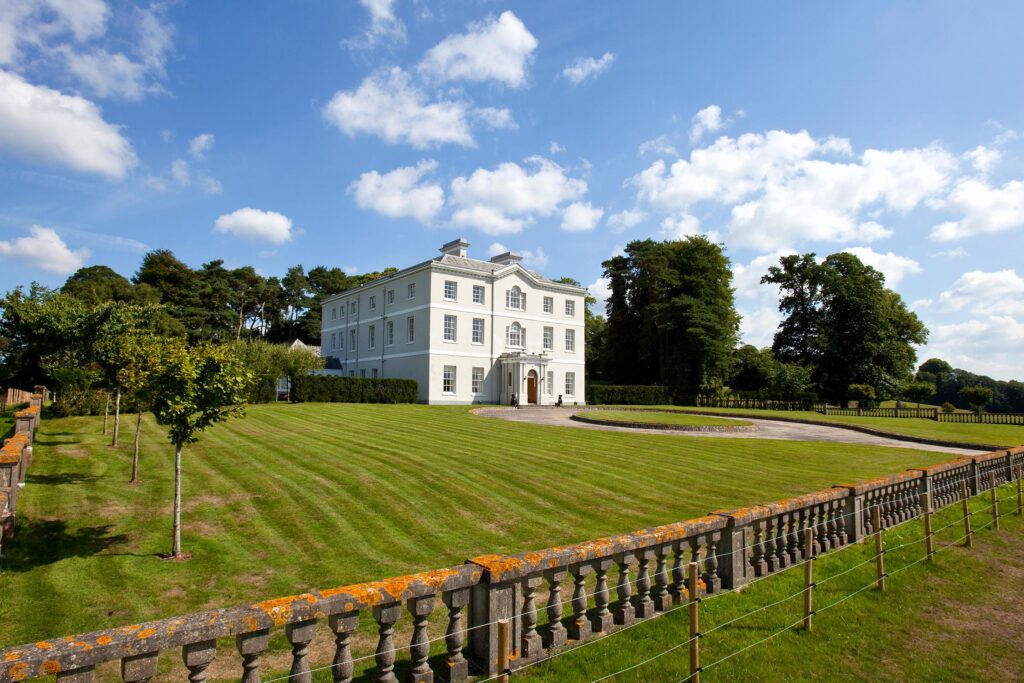
The landscape surrounding Bridwell Park is an essential part of the estate’s identity. The gardens and parkland were designed to complement the Georgian mansion, following the eighteenth-century tradition of creating carefully planned countryside landscapes. Historic estates during this period were designed as complete settings where architecture and nature worked together to create a sense of beauty and balance.
The Bridwell Park landscape includes gardens, woodland, open park areas, and water features that contribute to its historic character. The grounds reflect the influence of the English landscape movement, where designers aimed to create natural-looking scenery while carefully controlling views, planting, and the relationship between buildings and the surrounding environment.
The estate’s parkland has also played an important role in supporting wildlife and preserving traditional countryside features. Historic landscapes often provide valuable habitats while maintaining connections with agricultural and environmental history. At Bridwell Park, the grounds are an important part of the property’s heritage rather than simply an attractive setting for the house.
Different sources describe the size of Bridwell Park using different measurements depending on whether they refer to the wider estate, marketed property area, or officially registered historic landscape. Recent property information highlighted a large estate setting, while heritage records focus on the protected historic park and garden areas.
The Historic Bridwell Park Chapel and Estate Buildings
One of the most distinctive features of Bridwell Park is its private chapel, which adds another important layer to the estate’s history. The chapel is separately recognised as a Grade II* listed building, reflecting its architectural and historical importance. Built in the late eighteenth century, it represents the role that private chapels played in the lives of families who owned major country estates.
Private chapels were traditionally used for family worship, ceremonies, and important occasions connected with estate life. At Bridwell Park, the chapel forms part of the wider historic character of the property, showing how country estates often included religious, residential, and practical buildings within the same landscape.
The estate also includes additional structures that supported the operation of a large country house. Buildings such as service areas, coach houses, and other estate facilities were essential for maintaining historic properties. These features demonstrate that Bridwell Park was designed as a complete working estate rather than simply a large private residence.
The Fire, Restoration and Preservation of Bridwell Park
A significant chapter in the modern history of Bridwell Park was the serious fire that affected the house during the late twentieth century. The damage created major challenges for the future of the estate, but extensive restoration work was carried out to protect the building’s historic features and allow it to continue as an important heritage property.
Restoring a historic country house after major damage requires careful planning, specialist skills, and considerable investment. At Bridwell Park, restoration efforts focused on respecting the original character of the building while ensuring that the property could continue to function in modern times. The work helped preserve important architectural elements that contribute to the estate’s national heritage value.
The restoration story of Bridwell Park reflects a wider challenge faced by historic estates across Britain. Large country houses require ongoing maintenance, and owners often need to find sustainable ways to protect these properties. Bridwell Park demonstrates how heritage buildings can survive difficult periods through conservation and thoughtful management.
Lord Ivar Mountbatten and Modern Bridwell Park History
Bridwell Park became particularly well known in recent decades because of its connection with Lord Ivar Mountbatten. He purchased the estate in the late 1990s and played an important role in maintaining and developing the property. His ownership brought additional public attention to Bridwell Park because of his family connections and efforts to preserve the estate.
During Lord Ivar Mountbatten’s ownership, Bridwell Park developed wider uses beyond being a private family home. Parts of the estate were used for weddings, events, and visitor activities, helping introduce more people to the property while supporting the costs associated with maintaining a historic estate.
In 2024, reports stated that Bridwell Park was being placed on the market because of the increasing financial pressures involved in running such a large historic property. The situation reflected a common issue among heritage estates, where owners must balance preservation responsibilities with the practical costs of managing significant buildings and landscapes.
Bridwell Park for Sale: Property Market History
The search interest around “Bridwell Park for Sale” increased when the estate appeared on the property market. Historic country houses of this scale are unusual because they combine residential accommodation, heritage importance, landscaped grounds, and additional buildings within one property.
Previous listings highlighted features including the Grade I listed Georgian mansion, extensive parkland, historic chapel, event facilities, and potential commercial uses. However, purchasing a historic estate involves more than acquiring a luxury home. Owners must consider conservation requirements, maintenance costs, and the responsibility of protecting an important piece of national heritage.
Bridwell Park attracted attention because it offered the rare opportunity to own a property with architectural significance and a long historical story. Whether used as a private residence, event location, or heritage-focused property, the estate represents the challenges and possibilities associated with maintaining a major English country house.
Location and Surrounding Area of Bridwell Park
Bridwell Park is situated near Uffculme in Mid Devon, an area known for its countryside, historic villages, and rural landscapes. The location provides the peaceful environment traditionally associated with English country estates while remaining connected to nearby towns and transport routes.
The surrounding Devon countryside adds significantly to the appeal of Bridwell Park. The region offers scenic landscapes, walking routes, local attractions, and historic locations that reflect the county’s strong connection with rural traditions. The estate benefits from being positioned within an area known for natural beauty and heritage.
For visitors and history enthusiasts, the wider Uffculme area provides an opportunity to explore the character of Devon beyond the estate itself. The combination of historic architecture, countryside views, and local culture makes the area an attractive example of English rural living.
Conclusion
Bridwell Park is a remarkable Devon estate with a story shaped by Georgian architecture, historic ownership, restoration, and changing approaches to preserving country houses. From its construction for Richard Hall Clarke in the eighteenth century to its modern connection with Lord Ivar Mountbatten, the estate reflects centuries of English heritage.
The interest surrounding Bridwell Park for Sale demonstrates the continuing fascination with historic properties that combine architecture, landscape, and history. While owning such an estate involves significant responsibility, Bridwell Park remains an important example of how historic country houses can adapt while preserving their unique identity.
FAQs
Is Bridwell Park still for sale?
Bridwell Park was placed on the market in recent years, but the latest ownership and sale status should be confirmed through official property sources.
Where is Bridwell Park located?
Bridwell Park is located near Uffculme in Mid Devon, England.
Who built Bridwell Park?
The current Georgian mansion was built between 1776 and 1780 for Richard Hall Clarke.
Is Bridwell Park a Grade I listed building?
Yes, the main house is Grade I listed because of its exceptional architectural and historic importance.
Who owned Bridwell Park recently?
Lord Ivar Mountbatten owned Bridwell Park from the late 1990s before the estate was placed on the market.
What makes Bridwell Park unique?
The estate combines a Grade I listed Georgian house, historic chapel, landscaped parkland, and centuries of heritage.
What happened to Bridwell Park after the fire?
The house underwent major restoration following a serious fire in the late twentieth century.
Is the Bridwell Park chapel listed?
Yes, the private chapel is recognised as a Grade II* listed historic building.
Can the public visit Bridwell Park?
Public access depends on current arrangements, but the estate has previously hosted weddings, events, and visitor activities.
Why is Bridwell Park historically important?
Bridwell Park is important because of its Georgian architecture, historic landscape, listed buildings, and role in Devon’s country house heritage.
You May Also Read: Shakenhurst Hall