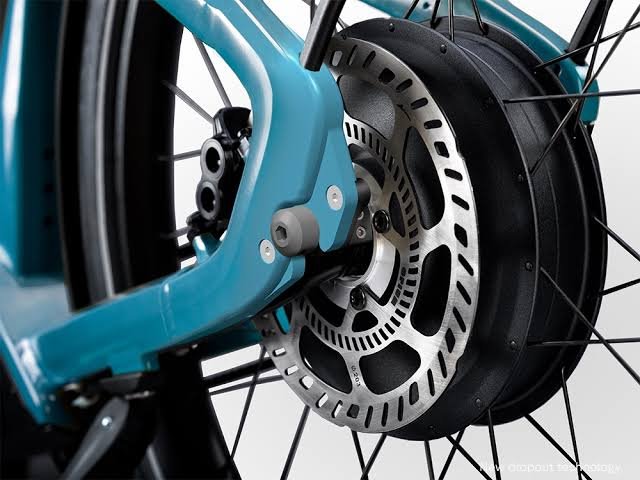
A regenerative braking ebike kit is a technology that allows an electric bike to recover a portion of the energy normally lost during braking and convert it back into stored battery power. Instead of turning all braking energy into heat through traditional brake systems, a regenerative system uses the motor as a generator during deceleration. This recovered energy can slightly improve efficiency, reduce brake wear, and make electric bikes more advanced.
Although regenerative braking has become common in electric cars and trains, applying the same idea to e-bikes requires special components and realistic expectations. Because bicycles are much lighter than vehicles, the amount of energy recovered is limited. However, riders who travel through hills, mountains, or busy city streets with frequent stops can benefit more because they have more opportunities to use regenerative braking.
A regenerative braking system is not designed to replace regular charging or create unlimited battery power. Instead, it is an efficiency upgrade that helps riders get more value from the energy they already use. Understanding how these systems work, what bikes support them, and whether they are worth the investment can help riders make a smarter decision.
What Is a Regenerative Braking Ebike Kit?
A regenerative braking ebike kit is a conversion system that adds energy recovery capability to an electric bike. Unlike a standard e-bike kit that only sends electricity from the battery to the motor, a regenerative kit allows the motor to operate in reverse during braking. This reverse operation creates resistance while generating electricity that can flow back into the battery.
Most regenerative systems use a direct-drive hub motor because of its simple internal design. A direct-drive motor has fewer mechanical parts and can easily switch between consuming electricity and generating electricity. The kit usually includes a compatible motor, controller, wiring system, brake sensors, and sometimes a display that shows battery information and regeneration activity.
The main purpose of this technology is improving energy efficiency. Every time a rider slows down, some movement energy is normally wasted as heat. A regenerative braking ebike kit captures part of that energy and returns it to the battery. The amount recovered depends on factors such as riding conditions, speed, terrain, rider weight, and how often braking occurs.
How Does Regenerative Braking Work on an E-Bike?
Regenerative braking works by changing the role of the electric motor. During normal riding, the battery sends electricity to the motor, which helps turn the wheel and move the bike forward. During regenerative braking, the process reverses. The spinning wheel turns the motor, and the motor produces electricity instead of consuming it.
When the rider activates regenerative braking, the controller manages the energy flow between the motor and battery. It controls how much resistance is applied and ensures that the electrical current returning to the battery remains within safe limits. This prevents problems such as overcharging or excessive stress on the battery system.
The technology works best in situations where the bike has significant momentum. Long downhill rides, frequent urban stops, and routes with changing elevation provide more opportunities for energy recovery. On flat roads where braking is rare, the benefits are usually much smaller because there is less wasted energy available to capture.
Can You Add Regenerative Braking to Any E-Bike?
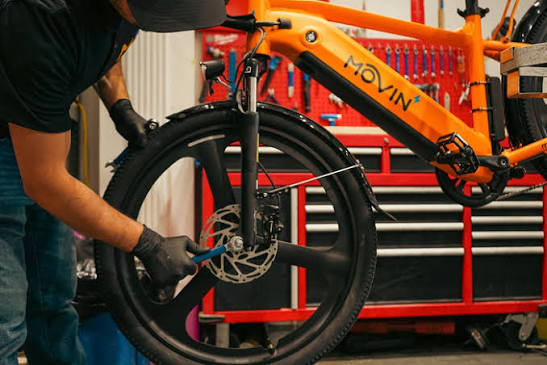
One of the most common questions riders ask is whether they can install regenerative braking on their existing electric bike. The answer depends on the bike’s motor type, controller, battery, and electrical design. A regenerative braking ebike kit cannot simply be added to every e-bike because the components must support two-way energy flow.
Direct-drive hub motors are usually the best option for regeneration because they can function as both motors and generators. Geared hub motors are generally less suitable because their internal gears prevent the motor from working efficiently in reverse. Mid-drive motors can also be challenging because they transfer power through the drivetrain rather than directly through the wheel.
Before purchasing a kit, riders should check several compatibility factors. These include battery voltage, motor power rating, wheel size, controller support, brake sensor compatibility, and available space for installation. Choosing the wrong components can lead to poor performance, additional costs, or installation problems.
How Much Energy Can a Regenerative Braking Ebike Kit Recover?
Many riders expect regenerative braking to dramatically increase their battery range, but the reality is more moderate. E-bikes are lightweight compared with cars, meaning they have less kinetic energy available for recovery. A regenerative braking system can improve efficiency, but it does not turn an electric bike into a self-charging machine.
Energy recovery depends on several conditions. A rider who frequently travels downhill or rides in stop-and-go traffic may recover more energy compared with someone riding on flat roads with minimal braking. Speed also matters because faster-moving bikes contain more kinetic energy that can potentially be converted.
The biggest value of regenerative braking is not only the small amount of extra battery power. It also provides smoother speed control and reduces dependence on mechanical brakes. For many riders, the combination of efficiency, control, and reduced maintenance is the main reason to consider the technology.
Benefits of Using a Regenerative Braking Ebike Kit
One major advantage of a regenerative braking ebike kit is improved energy management. Instead of losing all braking energy as heat, the system allows riders to reuse a portion of that energy. Over many rides, this can contribute to slightly improved battery efficiency, especially for riders in areas with hills or frequent stops.
Another benefit is reduced brake wear. Traditional braking systems rely on friction between brake pads and rotors, which gradually causes wear. Regenerative braking uses motor resistance to help slow the bike, reducing how much mechanical braking is required in certain situations. This can extend the lifespan of brake components and lower maintenance needs.
Regenerative braking can also improve riding comfort. The slowing process can feel smoother because the motor gradually applies resistance rather than relying only on sudden mechanical braking. For commuters and riders who regularly travel through changing terrain, this additional control can make longer rides more comfortable.
Limitations of Regenerative Braking Ebike Kits
Despite the advantages, regenerative braking is not the perfect solution for every rider. The biggest limitation is the amount of energy recovered. Because an e-bike has much less weight and momentum than an electric car, the available energy during braking is naturally lower.
Another limitation is compatibility. Many existing electric bikes are not designed for regeneration, and upgrading them may require replacing major components. Riders should carefully evaluate whether the cost of conversion makes sense compared with other upgrades, such as a larger battery or a more efficient motor.
The additional cost is also an important consideration. Regenerative systems usually require specialized motors and controllers, making them more expensive than standard conversion kits. For riders who rarely brake or mainly ride flat routes, the financial benefit may be limited. However, riders with specific needs may find the technology valuable.
Regenerative Braking Kit vs Standard E-Bike Conversion Kit
A standard e-bike conversion kit focuses mainly on adding electric assistance. It uses battery power to help the rider move faster and travel farther. A regenerative braking kit adds another layer by allowing the system to recover some energy during braking.
Standard kits are usually simpler, cheaper, and suitable for most riders. They are often the better choice for people who mainly want basic electric assistance. Regenerative kits are more specialized and designed for riders who value efficiency, advanced technology, and energy recovery features.
The right choice depends on riding habits. A city commuter with frequent stops or a rider in a mountainous area may benefit more from regeneration. Someone riding short distances on flat roads may receive greater value from investing in battery capacity or overall motor quality instead.
How to Choose the Right Regenerative Braking Ebike Kit
Choosing the correct kit requires more than selecting the highest motor power. The first consideration should be compatibility. The motor, controller, and battery must work together properly for safe and effective operation.
Motor type is one of the most important factors. Direct-drive hub motors are commonly preferred because they support regeneration more effectively. Battery voltage should also match the controller requirements, with many e-bike systems using 36V, 48V, or higher-voltage configurations.
Riders should also consider installation difficulty, available support, component quality, and intended use. A commuter may prioritize reliability and smooth operation, while a mountain rider may focus on durability and performance. Selecting a kit based on actual riding needs leads to better long-term results.
Installation and Maintenance Tips for Regenerative Braking Systems
Installing a regenerative braking ebike kit requires careful mechanical and electrical work. The process usually involves replacing the existing wheel with a compatible hub motor wheel, installing the controller, connecting the battery system, and setting up brake sensors.
Safety is an important part of installation. Riders should disconnect the battery before working on electrical connections, check that wiring is secure, and test the system at low speed before normal riding. Incorrect installation can affect braking performance and electrical reliability.
Regular maintenance also helps the system perform properly. Connections should remain clean and secure, cables should be protected from damage, and the motor and controller should be inspected periodically. Proper care ensures that the regenerative system continues working efficiently.
Who Should Buy a Regenerative Braking Ebike Kit?
A regenerative braking ebike kit is most useful for riders who can regularly take advantage of energy recovery. People living in hilly areas, commuters dealing with frequent traffic stops, and riders who enjoy longer routes with elevation changes are more likely to notice the benefits.
For casual riders who use an e-bike occasionally on flat terrain, the additional cost may not provide enough advantage. In those situations, investing in battery capacity, comfort features, or a reliable motor may offer greater value.
The decision ultimately depends on riding conditions and personal goals. Regenerative braking is a specialized improvement that works best when matched with the right rider and environment.
Conclusion
A regenerative braking ebike kit is an innovative technology that improves electric bike efficiency by recovering some energy during braking. While it cannot replace charging or dramatically increase range, it offers useful benefits such as reduced brake wear, smoother control, and better energy management.
The technology is especially valuable for riders who frequently travel through hills, heavy traffic, or challenging terrain. Before purchasing, riders should carefully check compatibility, understand limitations, and choose a system that matches their riding style.
As e-bike technology continues to improve, regenerative braking will likely become more efficient and accessible. For the right rider, it represents a practical step toward smarter and more sustainable electric transportation.
FAQs
What is a regenerative braking ebike kit?
A regenerative braking ebike kit is a system that allows an electric bike to recover some braking energy and send it back to the battery.
Can I install regenerative braking on my existing e-bike?
Yes, but only if the motor, controller, and battery system support regeneration, with direct-drive hub motors being the most compatible option.
Does regenerative braking fully recharge an e-bike battery?
No, it only recovers a limited amount of energy and works as an efficiency improvement rather than a replacement for charging.
Which e-bike motors support regenerative braking?
Direct-drive hub motors are commonly used because they can operate as both motors and generators during riding.
Is a regenerative braking ebike kit worth buying?
It can be worthwhile for riders who frequently ride downhill, commute through traffic, or want improved efficiency, but it may offer fewer benefits for flat-road riders.
You May Also Read: Fell Wall