Terramation UK: Human Composting Explained, Legal Updates, Process, Cost and Future Funeral Options

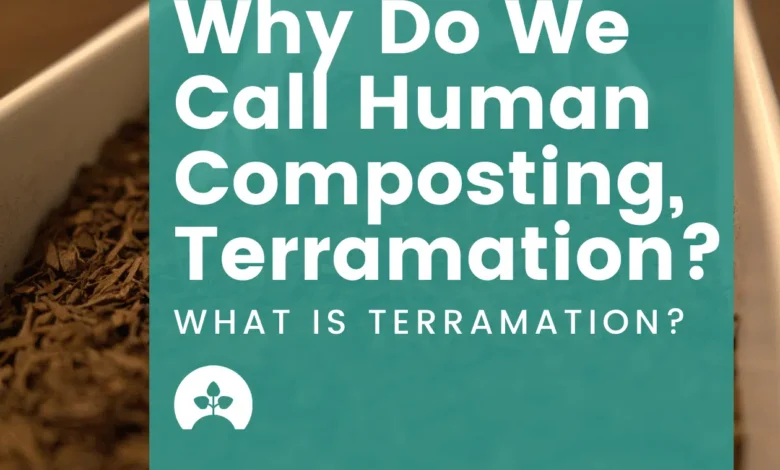
Terramation UK is a growing topic of discussion around sustainable funeral practices and refers to human composting, also known as natural organic reduction. This process is designed to transform human remains into nutrient-rich soil through a carefully controlled natural decomposition process. As environmental awareness continues to influence different areas of life, including how people think about end-of-life choices, terramation has gained attention as an alternative to traditional burial and cremation methods.
The idea behind Terramation UK is connected to a wider movement that focuses on reducing environmental impact and creating more natural approaches to death care. Traditional funeral methods have been followed for generations, but many people are now exploring alternatives that use fewer resources and create a closer connection with natural cycles. Human composting follows the principle that organic matter can return to the earth through natural biological processes when managed in a safe and respectful way.
Interest in Terramation UK has increased because more people are asking questions about sustainability, personal choice, and the future of funeral services. Supporters of human composting believe it could provide families with another option that reflects environmental values. However, the availability and legal acceptance of terramation remain important issues, especially in the UK, where current funeral regulations do not yet allow human composting as a standard service.
Understanding Terramation UK requires looking at several aspects, including how the process works, its environmental considerations, current legal discussions, possible costs, and how it compares with existing funeral choices. As conversations around sustainable living continue, terramation has become part of a broader discussion about how society approaches remembrance and returning to nature.
How Does Terramation Work and What Happens During the Process?
The terramation process uses natural decomposition in a controlled environment to transform human remains into soil-like material. After death, the body is placed inside a specially designed vessel along with natural organic materials, such as wood chips, straw, and other plant-based matter. These materials help create suitable conditions for microorganisms, which naturally break down organic material over time. The process is carefully monitored to maintain appropriate levels of temperature, oxygen, and moisture.
During human composting, natural biological activity gradually transforms the body and surrounding materials into a soil-like substance. The controlled environment allows decomposition to happen efficiently while following health and safety standards. After several weeks, the remaining material goes through additional processing to ensure consistency and safety before it can be returned to the family, where regulations allow this practice.
One of the key differences between terramation and traditional funeral methods is the way remains are handled after death. Burial places the body in the ground, while cremation uses high temperatures to reduce remains. Terramation instead focuses on supporting natural decomposition and creating a material that can become part of the earth’s ecosystem. This approach appeals to people who prefer a funeral option based around natural cycles.
Although the concept of human composting may seem new, it follows principles that are already familiar in nature. The difference is that terramation requires specialised facilities, scientific monitoring, and legal frameworks to ensure the process is conducted responsibly. As interest in Terramation UK grows, understanding the process helps people evaluate whether this type of funeral option aligns with their personal beliefs and environmental priorities.
Is Terramation Legal in the UK and What Are the Latest Updates?
The legal status of Terramation UK is one of the most important questions surrounding human composting. Currently, terramation is not available as an established funeral service in the United Kingdom. Existing funeral laws mainly recognise traditional methods such as burial and cremation, meaning human composting would require regulatory approval before it could become widely offered.
Discussions about modernising funeral laws have increased as new methods of handling human remains gain attention around the world. Supporters of terramation argue that people should have more choices when planning environmentally conscious funerals. They believe that carefully regulated alternatives could provide families with additional options while maintaining dignity, safety, and respect.
However, introducing Terramation UK would require detailed legal consideration. Authorities would need to examine areas such as public health protection, environmental standards, facility requirements, and the respectful treatment of human remains. A clear regulatory system would be necessary before any future terramation service could operate officially in the UK.
The future of terramation in Britain remains connected to ongoing discussions about sustainable funeral practices. While interest continues to grow, it is important to distinguish between future possibilities and currently available services. Anyone researching Terramation UK should check the latest official information because regulations and policies may develop over time.
How Much Does Terramation Cost in the UK?
The cost of Terramation UK is another common question, but because human composting is not currently available as a regulated funeral service in Britain, there is no standard UK price. In countries where terramation is legal, costs can vary depending on the provider, location, transportation, preparation services, memorial choices, and additional arrangements selected by families.
Future pricing in the UK would likely depend on several factors, including facility investment, operational costs, legal requirements, and demand. Similar to traditional funeral services, families may have different options depending on the level of support they choose. Some may prefer a simple process, while others may include ceremonies or memorial services alongside the transformation process.
When comparing terramation costs with burial and cremation, it is important to consider the complete environmental and financial picture. Burial can involve expenses related to land, maintenance, coffins, and memorial structures, while cremation involves facility costs and energy use. Terramation may offer another option in the future, but its final UK pricing would depend on how the service is regulated and introduced.
People searching for Terramation UK costs should also be careful when looking at international examples. Prices from countries where human composting is already available may not directly represent future UK costs because regulations, business models, and funeral traditions differ between regions.
Environmental Benefits of Terramation Compared With Traditional Funerals
Environmental concerns are one of the main reasons Terramation UK has gained attention. Many people interested in sustainable living are exploring whether funeral choices can also become more environmentally responsible. Human composting is considered by supporters as a lower-impact option because it focuses on natural decomposition rather than methods that require significant energy use or long-term land resources.
Traditional burial can require dedicated land, materials for coffins, and ongoing maintenance of burial sites. Cremation reduces the need for physical burial space but requires high temperatures and energy consumption. Terramation follows a different approach by creating conditions where natural biological processes can transform remains into soil-like material.
However, the environmental impact of any funeral method depends on different factors, including transportation, facility operations, energy use, and regulations. Terramation should be viewed as one possible sustainable option rather than the only environmentally responsible choice. More research and practical experience will continue to shape understanding of its overall environmental impact.
The interest in Terramation UK reflects a wider change in how people think about sustainability. Just as individuals consider environmental effects in daily decisions such as travel, food, and consumption, some are now considering how their final arrangements align with their values. This has created more discussion around green funerals and alternative approaches to remembrance.
Terramation Compared With Burial, Cremation and Other Green Funeral Choices
Terramation UK is often compared with traditional burial and cremation because people want to understand the differences between these methods. Burial remains one of the most familiar funeral choices, offering a traditional way to remember loved ones. However, it can require land resources, maintenance, and materials that some environmentally conscious individuals prefer to avoid.
Cremation is another widely used option that reduces the need for physical burial space. However, the process involves high temperatures and energy consumption. Some people who are concerned about environmental impact are therefore exploring alternatives such as terramation, which focuses on natural decomposition rather than combustion.
Green burial is another environmentally focused option that shares similarities with terramation. Both approaches aim to create a closer connection with nature, but the processes are different. Green burial generally returns the body directly to the earth through natural burial methods, while terramation uses a controlled facility-based process to create soil-like material.
Aquamation, also known as alkaline hydrolysis, is another emerging funeral alternative that uses water-based technology. Each method has different benefits, limitations, availability, and legal requirements. The choice between funeral options depends on personal beliefs, cultural values, environmental priorities, and what services are legally available in a particular location.
Where Is Terramation Available and What Does the Future Look Like?
Terramation is currently available in some regions outside the UK, particularly in parts of the United States where human composting has been legally approved. These developments have increased international interest and encouraged discussions in other countries about whether similar options should be introduced.
The future of Terramation UK depends on legal decisions, public acceptance, and the development of appropriate regulations. If human composting is introduced in Britain, it would likely require clear standards covering safety, environmental protection, facility operations, and respectful handling of human remains.
Growing interest in terramation shows that funeral practices are changing alongside wider social attitudes toward sustainability. More people are looking for choices that reflect their personal values, including environmental responsibility and a desire for natural processes.
While Terramation UK is not currently a standard funeral option, continued discussion suggests that sustainable end-of-life choices will remain an important topic. As laws, technology, and public attitudes develop, terramation may become part of future conversations about how society approaches death and remembrance.
Conclusion
Terramation UK represents an emerging approach to sustainable funerals that focuses on human composting, natural decomposition, and returning organic material to the earth. Although it is not currently available as a legal funeral service in the UK, growing interest shows that many people are exploring alternatives to traditional burial and cremation.
Understanding the process, legal situation, costs, environmental considerations, and comparisons with other funeral methods helps people make informed decisions. As discussions around sustainable living continue, Terramation UK remains an important topic in the future of environmentally conscious funeral choices.
FAQs
Is Terramation legal in the UK?
Terramation is not currently available as an official funeral service in the UK, although discussions about future funeral options continue.
What is Terramation UK?
Terramation UK refers to discussions around human composting or natural organic reduction as a sustainable funeral alternative.
How does human composting work?
Human composting uses a controlled natural decomposition process where remains are transformed into soil-like material.
How much does terramation cost?
There is currently no UK price because terramation is not available, but future costs would depend on regulations and providers.
Is terramation better for the environment than cremation?
Terramation is considered by supporters as a potential lower-impact option, but environmental effects depend on many factors.
You May Also Read: Ryan Lowe News