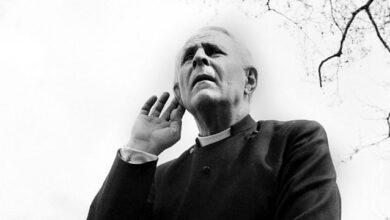
EW Godwin (Edward William Godwin) was an English architect, furniture designer, interior decorator, and writer best known for creating a new direction in Victorian design through simplicity, balance, and Japanese-inspired aesthetics. Born in Bristol in 1833, Godwin became one of the leading figures of the Aesthetic Movement and played an important role in developing the Anglo-Japanese style, a design approach that combined British craftsmanship with the visual principles of Japanese art.
At a time when Victorian interiors were often dominated by heavy decoration, complex patterns, and elaborate ornamentation, EW Godwin explored a different idea: that beauty could come from proportion, structure, and thoughtful design rather than excess. His work across architecture, furniture, textiles, and theatre showed an unusual ability to connect artistic vision with practical function. Although his life ended in 1886, his ideas continued influencing later design movements, including Arts and Crafts and early modern approaches to interiors.
Quick Facts About EW Godwin
Edward William Godwin was born on 26 May 1833 in Bristol, England. He began his professional life as an architect and later expanded his career into furniture design, interior decoration, writing, and theatre production. His wide range of interests made him one of the most versatile creative figures of the nineteenth century. Rather than focusing on only one discipline, Godwin believed that architecture, furniture, and decoration should work together as part of a complete artistic environment.
| Category | Details |
| Full Name | Edward William Godwin |
| Known As | EW Godwin |
| Born | 26 May 1833 |
| Birthplace | Bristol, England |
| Died | 6 October 1886 |
| Profession | Architect, Designer, Writer |
| Famous For | Anglo-Japanese furniture and Aesthetic Movement design |
| Major Influence | Japanese art, Gothic architecture, modern design principles |
| Famous Works | Northampton Town Hall, The White House, Anglo-Japanese furniture |
Godwin’s importance lies in the way he challenged traditional Victorian ideas. Instead of simply decorating objects and buildings with additional details, he focused on the relationship between shape, space, and material. His designs showed that elegance could be achieved through restraint, a concept that later became central to modern design thinking.
The Early Life and Architectural Beginnings of EW Godwin
EW Godwin grew up in Bristol during a period when Britain was experiencing rapid industrial and architectural change. His early interest in buildings, historical structures, and craftsmanship encouraged him to pursue architecture. He trained under William Armstrong, a Bristol-based architect and engineer, where he developed technical knowledge and gained experience in architectural drawing and construction.
His early career was strongly connected with the Gothic Revival movement, which was popular in Victorian Britain. Godwin studied historical architecture and initially created designs influenced by medieval forms. However, he was never simply interested in copying the past. Even in his early projects, he searched for ways to create designs that felt more organized, functional, and visually balanced.
One of his first major achievements came in 1861 when he won the competition to design Northampton Town Hall. This project brought him wider recognition and demonstrated his ability to manage an important public building. The work reflected Victorian Gothic influences while also showing Godwin’s interest in combining architecture with interior design and decorative planning.
How EW Godwin Became a Leader of the Aesthetic Movement
The Aesthetic Movement developed in Britain during the late nineteenth century as a reaction against excessive decoration and the belief that art should serve only practical or moral purposes. EW Godwin became one of its important designers because his work represented the movement’s focus on beauty, artistic freedom, and refined simplicity.
Godwin believed that a well-designed object did not require unnecessary decoration to appear valuable. A chair, cabinet, or room could become visually powerful through careful proportions, high-quality materials, and thoughtful arrangement. This approach separated him from many Victorian designers who preferred highly detailed and heavily decorated interiors.
His connection with artists such as James McNeill Whistler placed him within an influential creative circle that explored new approaches to colour, space, and artistic expression. Through these relationships, Godwin developed a design philosophy that treated interiors as complete artistic experiences rather than collections of separate decorative objects.
EW Godwin and the Development of Anglo-Japanese Design
The greatest contribution of EW Godwin was his role in developing the Anglo-Japanese style, which blended British design traditions with inspiration from Japanese art. After encountering Japanese decorative objects and studying their approach to composition, Godwin began incorporating ideas such as simplicity, asymmetry, clean lines, and controlled decoration into his own designs.
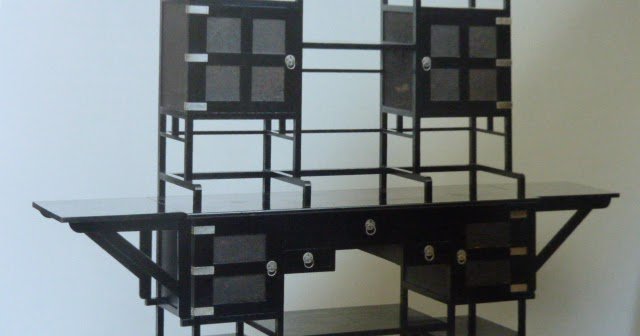
Unlike traditional Victorian furniture, which often featured carved details and heavy ornamentation, Godwin’s furniture used simpler geometric forms. His famous ebonized furniture designs created a darker, more refined appearance while allowing the structure of the object itself to become the main visual feature.
The Anglo-Japanese style was not simply a copy of Japanese design. Godwin adapted selected principles and combined them with British manufacturing methods. This ability to reinterpret foreign influences rather than imitate them helped make his work original and influential.
The Most Important Architectural Works of EW Godwin
Although furniture made him famous, architecture remained a major part of EW Godwin’s career. His early buildings reflected his knowledge of historical styles, but his later projects became increasingly experimental. He explored new approaches to domestic spaces, interiors, and the relationship between architecture and lifestyle.
One of his most discussed architectural projects was The White House in Chelsea, designed for artist James McNeill Whistler in the late 1870s. The house represented a dramatic change from traditional Victorian interiors because of its simplified appearance and artistic atmosphere. It reflected the shared interests of Godwin and Whistler in creating environments based on harmony rather than excessive decoration.
Godwin also designed houses and interiors in areas such as Chelsea and Bedford Park. His architectural work demonstrated that he was not only creating buildings but also developing complete living environments where furniture, colour, and decoration worked together.
EW Godwin’s Furniture Designs and Lasting Influence
Furniture design became one of EW Godwin’s greatest achievements. His chairs, cabinets, tables, and sideboards introduced a lighter and more modern appearance compared with traditional Victorian furniture. Many of his designs featured straight lines, open structures, and minimal decoration, creating a style that appeared surprisingly modern for the nineteenth century.
Godwin worked with manufacturers including William Watt and other furniture companies to bring his designs to a wider audience. His furniture demonstrated that good design could combine artistic quality with practical production. This approach made him an important figure in the transition between handcrafted Victorian design and more modern ideas about manufactured objects.
Today, EW Godwin furniture remains highly valued by collectors, museums, and design historians. His pieces are studied because they represent a turning point in design history, showing how nineteenth-century creativity helped prepare the foundation for twentieth-century modernism.
EW Godwin’s Theatre, Costume, and Decorative Work
Later in his career, EW Godwin expanded beyond architecture and furniture into theatre design. His interest in historical accuracy and visual storytelling led him to create costumes, stage settings, and theatrical environments. His work with figures such as Ellen Terry and Henry Irving showed another side of his creative ability.
Godwin approached theatre in the same way he approached architecture. He believed every visual element should support the overall atmosphere of a production. Costumes, scenery, and stage arrangements were not separate decorations but connected parts of a complete artistic vision.
This theatrical work strengthened his reputation as a designer who could move between different creative fields. His ability to combine research, historical knowledge, and artistic imagination made him an important contributor to Victorian theatre design.
How EW Godwin Influenced Modern Design
EW Godwin’s influence continued after his death because many of his ideas matched the direction later taken by modern designers. His preference for simplicity, functional forms, and honest use of materials connected with the growing interest in design reform during the late nineteenth and early twentieth centuries.
His furniture designs especially attracted attention because they challenged traditional ideas about what Victorian furniture should look like. Designers associated with later movements recognized the value of his cleaner approach and his belief that design should focus on concept rather than unnecessary decoration.
Today, EW Godwin is considered an important bridge between Victorian design and modern aesthetics. His work remains relevant because contemporary designers continue exploring similar ideas: minimalism, sustainable materials, functional beauty, and carefully planned living spaces.
Why EW Godwin Remains Important Today
More than a century after his death, EW Godwin’s work continues to attract attention from museums, collectors, and design researchers. His career represents an important moment when designers began questioning traditional approaches and searching for new ways to create beautiful and practical environments.
Modern interest in minimalism and thoughtful interior design has brought renewed appreciation for Godwin’s ideas. His belief that simplicity could create elegance feels especially relevant today, when many designers focus on reducing waste, improving functionality, and creating calmer living spaces.
EW Godwin’s legacy is not only found in individual buildings or furniture pieces. It exists in the broader idea that good design should balance creativity, usefulness, and lasting beauty.
Conclusion
EW Godwin was a designer who looked beyond the traditions of his time and created a new way of thinking about beauty and function. Through architecture, furniture, theatre, and writing, he challenged Victorian design habits and introduced ideas that later became important in modern design history.
His development of the Anglo-Japanese style, his innovative furniture, and his influence on future movements show why he remains an important figure today. EW Godwin’s career proves that powerful design does not always come from complexity; sometimes the strongest ideas come from simplicity, balance, and careful attention to detail.
Frequently Asked Questions
Who was EW Godwin?
EW Godwin was an English architect and designer known for his contributions to Victorian architecture, furniture design, the Aesthetic Movement, and the development of Anglo-Japanese style.
What is EW Godwin famous for?
EW Godwin is best known for his Anglo-Japanese furniture designs, innovative interiors, and his influence on later design movements such as Arts and Crafts and modernism.
What style did EW Godwin create?
EW Godwin helped develop the Anglo-Japanese style, which combined Japanese artistic principles with British design traditions.
What are the most famous works of EW Godwin?
His notable works include Northampton Town Hall, The White House in Chelsea for James McNeill Whistler, and his widely recognized furniture designs.
How did Japanese art influence EW Godwin?
Japanese art influenced Godwin through its simplicity, asymmetry, clean composition, and appreciation for natural materials. He adapted these ideas into furniture and interior design.
Why is EW Godwin important today?
EW Godwin remains important because his ideas about simplicity, functionality, and artistic design continue influencing contemporary approaches to architecture and interiors.
You May Also Read: Second World War Quiz Questions