Choosing the best overlock serger can completely change the way you approach garment making, fabric finishing, and sewing projects. Unlike a regular sewing machine, an overlock serger is designed to trim fabric edges, wrap thread around raw seams, and create strong professional-looking finishes in one quick process. This makes it especially valuable for people who sew clothing, work with stretch fabrics, or want their handmade projects to have a cleaner appearance similar to commercially produced garments.
However, the best serger is not the same for everyone. A beginner who is learning basic garment construction may need a simple and reliable machine, while an experienced sewist may prefer stronger performance, faster stitching, or advanced features such as easier threading systems. Popular choices often include beginner-friendly Brother models, durable Juki machines, versatile Janome options, and premium Baby Lock sergers. The right choice depends on your budget, sewing frequency, fabric types, and the level of control you want from your machine.
What Is an Overlock Serger and How Does It Work?
An overlock serger is a specialized sewing machine that combines three important steps: cutting excess fabric, stitching the seam, and finishing the edge with thread. This process creates a neat, secure seam that reduces fraying and improves the durability of clothing. While a traditional sewing machine can create seams and perform many detailed tasks, it usually requires additional finishing methods to achieve the clean inside edges that a serger produces.
Most overlock sergers use three or four threads to create different types of stitches. A three-thread stitch is useful for lightweight fabrics and decorative finishing, while a four-thread overlock provides stronger seams that work well for everyday garments. Because sergers handle multiple threads at high speeds, they are especially useful for sewing projects involving knits, activewear, children’s clothing, and fabrics that stretch during use.
Best Overlock Serger Machines for Different Types of Sewists
The Brother 1034D is one of the most recognized choices for beginners and home sewists because it offers a strong balance of affordability, reliability, and useful features. It supports three-thread and four-thread overlock stitching, includes differential feed, and uses color-coded threading guides that make learning easier. For someone purchasing their first serger, it provides enough flexibility for clothing projects without making the sewing process unnecessarily complicated.
For more experienced users, the Juki MO series is often considered a strong upgrade because of its smooth operation, solid construction, and consistent stitch quality. Juki machines are popular among sewists who want professional-style performance and plan to use their serger regularly. They are particularly useful for people who work with heavier fabrics, create garments frequently, or want a machine that can handle more demanding sewing sessions.
Premium users may prefer advanced machines from brands such as Baby Lock because they often include convenience features designed to save time. Features like air threading, improved tension systems, and smoother operation can be valuable for professionals or anyone who uses a serger often. Although premium machines require a larger investment, they can improve workflow and reduce frustration over years of use.
Best Overlock Serger for Beginners
For beginners, the most important qualities are simplicity, reliability, and ease of learning. Many new serger owners struggle with threading because these machines use multiple threads and loopers compared with regular sewing machines. A beginner-friendly model should have clear threading instructions, accessible controls, and enough stitch options to grow with your skills.
The Brother 1034D remains a popular beginner option because it offers essential features without overwhelming new users. Its differential feed helps manage different fabric types, while its three and four-thread capabilities allow beginners to explore various sewing projects. A beginner should focus less on having the most advanced machine and more on choosing a model that encourages regular practice and confidence building.
Best Overlock Serger for Professional Sewing
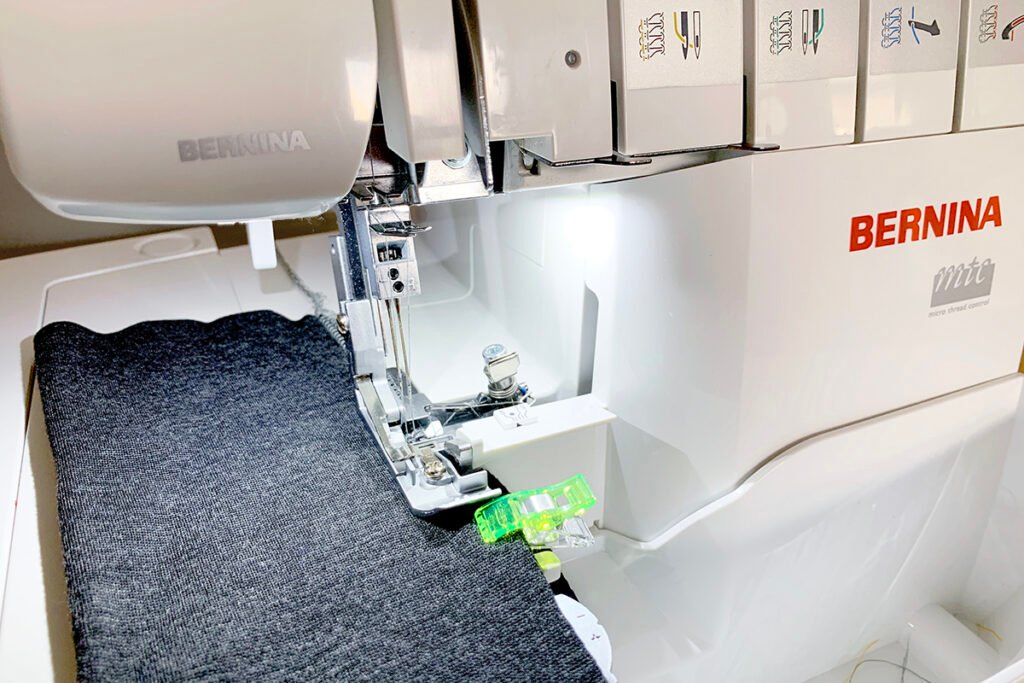
Professional sewists usually require more than basic seam finishing. They need machines that provide consistent stitch quality, reliable performance, and the ability to handle frequent use. A professional serger should operate smoothly, maintain accurate tension, and provide enough flexibility for different fabrics and garment styles.
Juki sergers are often chosen by experienced users because the brand has a strong background in industrial sewing equipment. Models in the Juki lineup are designed for sewists who value precision and durability. However, professionals should also consider their specific workflow because a high-end machine is only valuable when its features match the type of sewing they actually perform.
Important Features to Consider Before Buying an Overlock Serger
The number of threads is one of the first things buyers should understand before choosing a serger. A four-thread machine is usually the most practical option for garment sewing because it creates stronger seams that can handle movement and regular washing. Three-thread stitching still has its place, especially for lightweight materials and decorative finishing, but many users find four-thread capability more versatile.
Differential feed is another feature that can make a major difference in sewing quality. This system controls how fabric moves through the machine and helps prevent stretching, puckering, and uneven seams. It is especially useful when working with fabrics such as jersey, knits, and other materials that do not behave like standard cotton.
Other useful features include adjustable stitch length, cutting width control, easy-access threading paths, good lighting, and reliable customer support. Features like air threading can be extremely convenient, but they are not necessary for every user. Beginners may benefit more from learning proper serger operation before investing in premium convenience features.
Overlock Serger vs Regular Sewing Machine: Do You Need Both?
Many people assume an overlock serger can replace a regular sewing machine, but both machines serve different purposes. A sewing machine is better for tasks such as straight stitching, buttonholes, zippers, topstitching, and detailed construction work. A serger specializes in finishing edges, creating flexible seams, and speeding up garment production.
The best sewing setup often includes both machines working together. A regular sewing machine handles the main construction of a project, while the serger creates professional-looking finishes and stronger edges. This combination gives sewists more control and allows them to complete projects with better durability and appearance.
Overlock Serger vs Coverstitch Machine: Which One Is Better?
Overlock sergers and coverstitch machines are sometimes confused because both are commonly used in garment production. A serger focuses on joining fabric pieces and finishing raw edges, while a coverstitch machine is mainly used for professional hems, especially on T-shirts, sportswear, and stretch garments.
For most home sewists, an overlock serger should come first because it provides more general usefulness across different projects. A coverstitch machine becomes more valuable later when someone regularly creates knit garments and wants factory-style hems. Some combination machines offer both functions, but they can require more adjustment and learning compared with dedicated machines.
Who Should Buy an Overlock Serger?
An overlock serger is a smart investment for people who regularly sew clothing, work with stretch fabrics, or want faster finishing. It is especially useful for dressmakers, fashion students, home garment creators, and anyone who wants their handmade clothing to look more polished. The machine can save significant time because it completes multiple finishing steps in one pass.
However, not everyone needs a serger immediately. Someone who only performs occasional repairs or simple sewing projects may find a regular sewing machine sufficient. A serger requires learning, maintenance, and practice, so buyers should consider how often they will use it before making an investment.
How to Maintain an Overlock Serger for Better Performance
Regular maintenance helps an overlock serger perform consistently for many years. Because sergers cut fabric while sewing, they collect lint and small fabric particles quickly. Cleaning the cutting area, removing buildup, checking needles, and following the manufacturer’s maintenance instructions can prevent many common problems.
Using quality thread and replacing needles when necessary also improves stitch performance. Beginners should always test settings on scrap fabric before starting a project because different materials require different tension and feed adjustments. Proper care not only protects the machine but also improves the quality of every finished garment.
Final Thoughts: Finding the Best Overlock Serger
The best overlock serger is not necessarily the most expensive model available. The right machine depends on your sewing experience, project goals, and the features you actually need. Beginners often benefit from affordable and reliable models, while professionals may prefer advanced machines that provide greater speed, durability, and convenience.
A good serger can improve sewing efficiency, create cleaner finishes, and help turn homemade garments into professional-looking pieces. By understanding thread options, important features, and your own sewing requirements, you can choose a machine that supports your creativity and delivers reliable results for years.
Frequently Asked Questions
What is the best overlock serger for beginners?
The Brother 1034D is a popular beginner option because it offers easy learning, reliable performance, and useful features for everyday sewing projects.
Can an overlock serger replace a regular sewing machine?
No. A serger is mainly used for seam finishing and edge protection, while a regular sewing machine is still needed for construction tasks like zippers and buttonholes.
Is a four-thread serger better than a three-thread serger?
For most clothing projects, a four-thread serger is more versatile because it creates stronger seams suitable for everyday garments and stretch fabrics.
Are premium sergers worth the extra money?
Premium models can be worthwhile for frequent users because features like easier threading and smoother operation can save time and improve workflow.
What should I check before buying an overlock serger?
Consider thread options, differential feed, ease of threading, stitch quality, available support, and whether the machine matches your sewing experience and project needs.
You May Also Read: Analog Heat + FX