The question “Are Tudor watches a good investment?” has become increasingly popular among watch enthusiasts and buyers looking for a luxury timepiece that offers both enjoyment and long-term value. Tudor occupies a unique position in the watch industry because it combines Swiss craftsmanship, strong heritage, and a connection to Rolex while remaining more accessible in price. However, unlike some Rolex models that can increase significantly in value, Tudor watches follow a different market pattern.
Tudor watches are generally considered a strong value-retention choice rather than a traditional financial investment. Certain models, especially those with high collector demand, limited availability, and historical significance, can maintain their prices well or even appreciate over time. However, not every Tudor watch will increase in value, and buyers need to understand the factors that influence resale performance before making a purchase.
For collectors, the appeal of Tudor goes beyond potential profit. The brand offers reliable movements, distinctive designs, and professional-grade watches that can be enjoyed for years. Understanding Tudor’s market position, popular models, and buying strategy can help you decide whether a Tudor watch is the right choice for your collection.
Understanding Tudor’s Heritage and Market Position
Tudor’s history is closely connected with Rolex, which plays a major role in the brand’s reputation today. The company was introduced by Hans Wilsdorf, the founder of Rolex, with the goal of creating watches that offered Rolex-level reliability at a more affordable price. Early Tudor watches shared several design elements with Rolex, including cases, crowns, and construction techniques, while using different movements to maintain a lower price point.
Over the decades, Tudor developed its own identity and moved away from being viewed simply as a smaller Rolex alternative. The introduction of collections such as the Black Bay and Pelagos helped transform Tudor into a respected luxury watch manufacturer with its own following. Today, collectors appreciate Tudor for its combination of heritage-inspired designs, modern technology, and practical performance.
The brand’s relationship with Rolex continues to influence consumer confidence, but Tudor’s success is also based on its independent achievements. Its in-house movements, professional diving watches, and partnerships with military organizations have helped establish credibility among serious watch enthusiasts.
When considering Tudor as an investment, this strong reputation is important because brand recognition directly affects future demand. A watch from a respected manufacturer is more likely to maintain value compared with brands that have weaker collector communities.
Are Tudor Watches Actually a Good Investment?
Tudor watches can be a good investment for buyers who understand that luxury watches do not behave like traditional financial assets. A Tudor should generally be viewed as a value-retaining luxury purchase rather than a guaranteed money-making opportunity. The strongest examples of appreciation usually come from specific references rather than the entire brand.
Several factors determine whether a Tudor watch performs well in the secondary market. These include model popularity, production numbers, condition, availability, historical importance, and whether collectors consider the watch desirable. A discontinued model with a strong reputation may become more attractive over time, while a widely available model may experience slower price growth.
One advantage Tudor offers is its relatively lower entry price compared with brands such as Rolex. Buyers can access a high-quality Swiss luxury watch without spending the significant amount required for many Rolex models. This affordability creates a large potential customer base, which can support resale demand in the future.
However, buyers should understand that purchasing a brand-new Tudor at retail does not always mean immediate profit. Like many luxury watches, some models may experience depreciation after purchase because the secondary market price can be lower than the original retail price. Buying carefully and selecting the right model is essential for better long-term value.
Tudor Watches That Have Strong Investment Potential
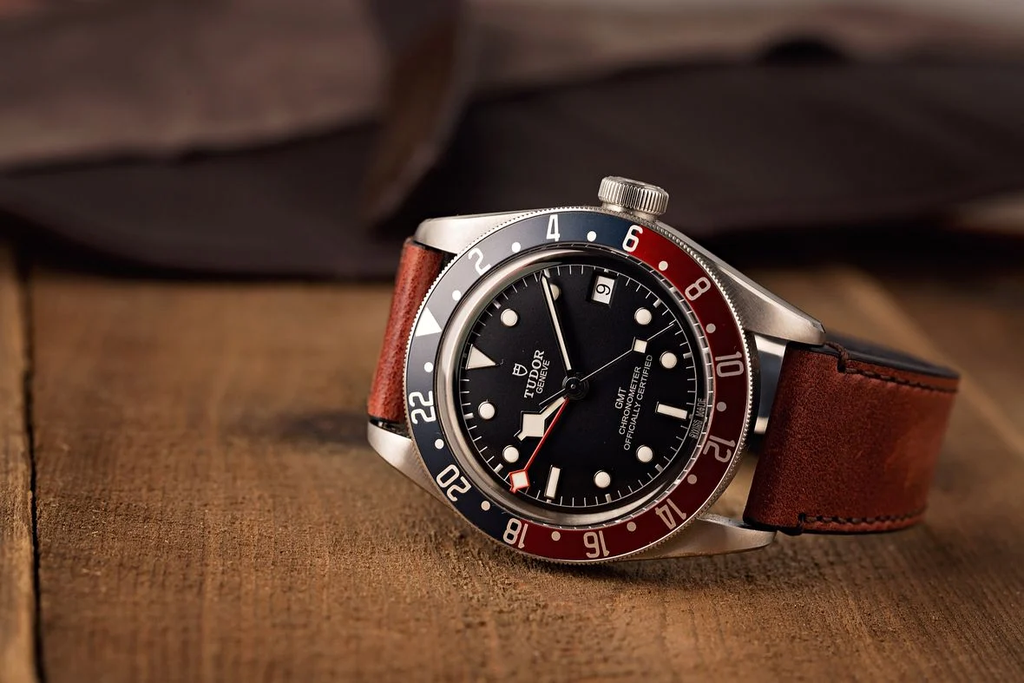
Not every Tudor reference performs equally in the resale market. Some collections have developed stronger collector interest because of their design, history, and limited availability.
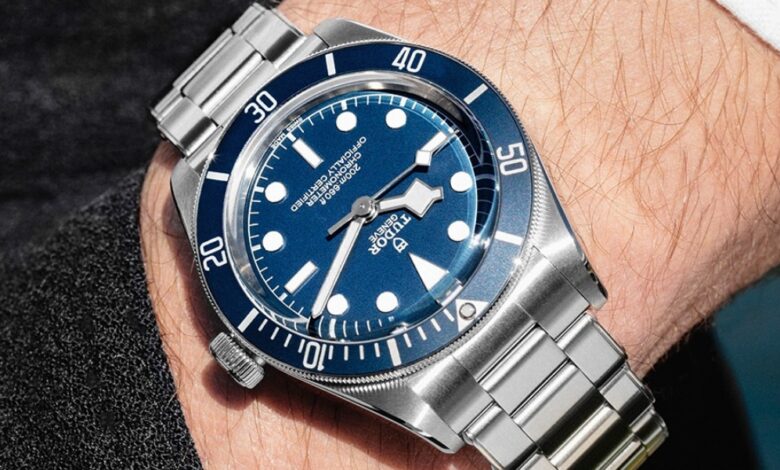
The Tudor Black Bay series is one of the strongest examples of the brand’s market success. The collection revived Tudor’s vintage diving heritage while adding modern features and reliable movements. Models such as the Black Bay Fifty-Eight gained popularity because of their balanced proportions, classic styling, and strong appeal among both new collectors and experienced enthusiasts.
The Black Bay Fifty-Eight is often considered one of Tudor’s most desirable watches because it captures the style of vintage dive watches while offering modern reliability. Its size, design, and connection to Tudor’s historical models have helped it maintain strong demand in the pre-owned market.
The Tudor Pelagos collection is another important model family for collectors. Known for its technical performance, titanium construction, and professional diving capability, the Pelagos represents Tudor’s engineering-focused approach. Special versions such as the Pelagos FXD have attracted attention because of their military-inspired design and limited collector appeal.
Limited editions, discontinued references, and watches connected to important historical events can also perform well because rarity often increases desirability. Collectors are usually more interested in watches that have a unique story rather than models that are easily available everywhere.
Tudor Watches That May Not Be the Best Investment Choices
While Tudor has many respected models, not every watch from the brand is likely to deliver strong financial returns. Understanding potential risks can help buyers make better decisions.
Highly available models with large production numbers may not experience significant appreciation because supply remains consistent. When many identical watches are available on the secondary market, buyers have more choices, which can limit price growth.
Another common mistake is purchasing a Tudor above its normal market price because of temporary hype. Paying a premium for a watch that is widely available can make it difficult to recover the purchase cost later. Researching current market prices before buying is essential.
Condition also plays a major role in resale value. Watches with scratches, missing paperwork, damaged bracelets, or incomplete sets often sell for less than examples that include the original box, warranty card, and accessories. Maintaining the watch properly can significantly improve its future appeal.
For buyers interested in investment potential, the goal should not simply be finding the most expensive Tudor. Instead, focus on models with strong collector interest, unique features, and a proven reputation.
Tudor vs Rolex: Which Is Better for Investment?
The comparison between Tudor and Rolex is unavoidable because of their shared history. Rolex remains one of the strongest luxury watch brands in terms of investment performance, especially with models that have limited availability and extremely high demand.
Tudor, however, offers a different value proposition. It provides excellent craftsmanship and heritage at a lower price point, making it attractive for buyers who want a premium Swiss watch without entering the Rolex market. While Tudor generally does not match Rolex’s appreciation levels, it can offer better accessibility and strong value retention.
For someone focused purely on financial growth, Rolex may be the stronger option. For someone seeking a high-quality watch with reasonable resale performance and a more affordable entry point, Tudor can be an excellent choice.
The decision depends on the buyer’s goals. A collector who wants enjoyment, reliability, and long-term ownership may find Tudor more appealing than saving for a more expensive brand.
Tudor Compared With Omega and Other Luxury Brands
Tudor also competes with brands such as Omega, Breitling, and TAG Heuer in the luxury watch market. Each brand has its own strengths, but Tudor’s combination of heritage, pricing, and collector interest gives it a unique position.
Omega has strong historical recognition through models such as the Speedmaster and Seamaster, while Breitling is respected for aviation and professional watches. Tudor’s advantage comes from its strong connection to Rolex, focused collections, and growing enthusiast community.
For value retention, performance varies greatly depending on the specific model. A popular Tudor Black Bay may perform better than some watches from competing brands, while another Tudor model may not hold value as strongly. The individual reference matters more than the brand name alone.
This is why buyers should research the exact model rather than assuming every luxury watch will automatically become valuable.
How to Buy a Tudor Watch for Better Long-Term Value
Choosing the right Tudor requires careful research and a focus on long-term desirability. Buyers should consider several factors before making a purchase.
Buying pre-owned can sometimes provide better investment potential because the first owner may have already absorbed the initial depreciation. A well-maintained pre-owned Tudor with complete documentation can offer excellent value compared with buying new.
Always check the watch’s authenticity, service history, warranty information, and overall condition. Original box and papers can make a significant difference when selling the watch in the future.
It is also important to buy watches that you genuinely like. Market trends can change, but a watch with personal appeal will continue to provide enjoyment even if prices remain stable.
Proper maintenance is equally important. Regular servicing, careful storage, and avoiding unnecessary damage help preserve both the mechanical performance and resale value of a Tudor watch.
Conclusion
So, are Tudor watches a good investment? The answer depends on what you expect from the purchase. Tudor watches are not guaranteed profit-making assets, but they are among the strongest luxury watches for buyers seeking quality, heritage, and reasonable value retention.
Models such as the Black Bay Fifty-Eight, Pelagos, and limited editions have shown stronger collector interest because of their design, history, and availability. However, choosing the right model, buying at a fair price, and maintaining the watch properly are essential for protecting its future value.
For most buyers, Tudor represents a smart luxury purchase rather than a traditional investment. It offers the opportunity to own a beautifully crafted Swiss watch while still having the potential to maintain value over time.
FAQs
Are Tudor watches a good investment compared with Rolex?
Tudor watches offer good value retention, but Rolex generally has stronger investment performance due to higher demand and scarcity.
Which Tudor watches hold value best?
The Black Bay Fifty-Eight, Pelagos FXD, and certain limited editions are among the Tudor models with strong collector interest.
Do Tudor watches increase in value over time?
Some Tudor watches appreciate, but many are better known for maintaining value rather than producing large price increases.
Should I buy a new or pre-owned Tudor watch?
A pre-owned Tudor can sometimes offer better value because initial depreciation may already have occurred.
Is Tudor a luxury watch brand?
Yes, Tudor is a Swiss luxury watch brand known for quality craftsmanship, professional watches, and strong heritage.
You May Also Read: Best County in England