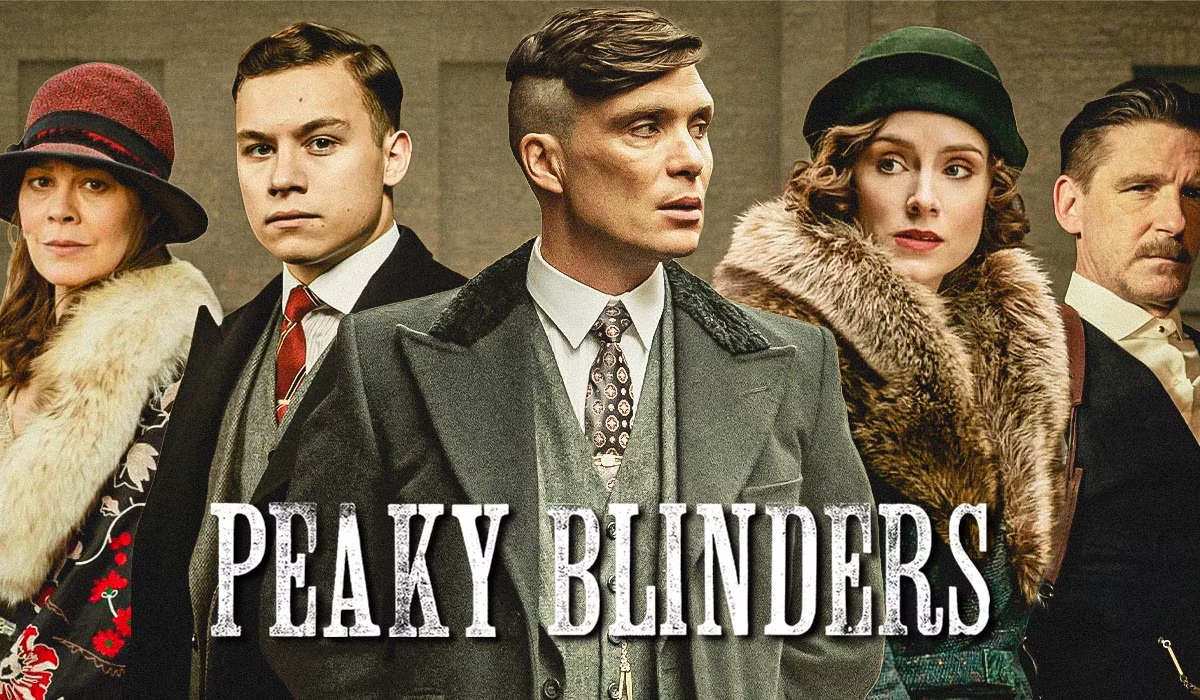
The Peaky Blinders cast is one of the most critically acclaimed ensembles in modern television history. The British crime drama, created by Steven Knight, gained worldwide popularity not only because of its gripping storyline but also due to its powerful performances. Set in post–World War I Birmingham, the series follows the rise of the Shelby crime family, and every actor plays a vital role in bringing this dark, stylish world to life. The cast transforms historical fiction into a visually striking and emotionally intense experience that resonates with global audiences.
What makes the Peaky Blinders cast exceptional is the depth and authenticity each actor brings to their role. From Cillian Murphy’s calm yet dangerous portrayal of Thomas Shelby to Paul Anderson’s volatile performance as Arthur Shelby, every character feels layered and real. The show’s success heavily relies on the chemistry between cast members, which creates a believable family dynamic filled with tension, loyalty, and betrayal. This emotional complexity elevates the show beyond a typical gangster drama.
Over the years, Peaky Blinders has evolved into a cultural phenomenon, and much of this success is directly tied to its cast. The actors have not only shaped the identity of the series but have also influenced fashion trends, pop culture references, and modern television storytelling. The Shelby family, in particular, has become iconic, symbolizing power, ambition, and emotional conflict in a post-war society.
Main Peaky Blinders Cast and Characters Breakdown
At the heart of the Peaky Blinders cast is Cillian Murphy as Thomas Shelby, the strategic and emotionally complex leader of the Shelby family. Thomas is portrayed as a calm yet ruthless businessman who evolves from a street gang leader into a political and corporate mastermind. Murphy’s performance is subtle but deeply powerful, relying on expression, silence, and controlled intensity rather than overt dialogue. This makes Thomas Shelby one of the most memorable characters in modern television history.
Arthur Shelby, played by Paul Anderson, represents the emotional chaos of the family. Unlike Thomas, Arthur struggles with violence, trauma, and self-control. His character adds unpredictability and raw energy to the series. Helen McCrory’s portrayal of Polly Gray brings wisdom, authority, and emotional grounding to the Shelby family. As the matriarch, Polly often serves as the moral and strategic backbone of the gang, balancing family loyalty with ruthless decision-making.
Other important members of the main Peaky Blinders cast include Sophie Rundle as Ada Shelby, who represents independence and political awareness, and Joe Cole as John Shelby, whose impulsive nature adds intensity to the family dynamic. Each character contributes to the emotional and narrative depth of the series, ensuring that no role feels secondary or underdeveloped.
Supporting Cast and Recurring Characters
The strength of the Peaky Blinders cast extends beyond the Shelby family to its exceptional supporting characters. One of the most iconic figures is Alfie Solomons, played by Tom Hardy. Alfie is unpredictable, witty, and dangerously intelligent, often shifting between ally and enemy. Hardy’s performance brings a chaotic charm that makes every scene unforgettable.
Inspector Campbell, played by Sam Neill, serves as one of the early antagonists of the series. His strict moral code and relentless pursuit of the Shelby family create intense psychological conflict. As the series progresses, new characters like Michael Gray (Finn Cole) and Gina Gray (Anya Taylor-Joy) introduce internal power struggles within the family empire. These additions help expand the narrative and deepen the political and emotional stakes.
Lizzie Stark, played by Natasha O’Keeffe, evolves from a supporting character into a central figure in Thomas Shelby’s life. Her journey reflects themes of survival, transformation, and personal agency. The recurring Peaky Blinders cast also includes various gang leaders, political figures, and rivals who enrich the world-building and maintain tension throughout the series.
Acting Performance and Character Development
The Peaky Blinders cast is widely praised for its exceptional acting performances and character development. Cillian Murphy’s transformation into Thomas Shelby is particularly remarkable, as he embodies the character with minimal dialogue and maximum emotional presence. His ability to express internal conflict through subtle facial expressions and body language sets a new standard for television acting.
Each member of the cast contributes to a carefully crafted emotional journey. Arthur Shelby’s descent into instability, Polly Gray’s struggle for power and protection, and Ada Shelby’s evolution into a politically aware figure all demonstrate strong narrative development. These arcs are supported by intelligent writing and consistent character growth across seasons.
The chemistry among the Peaky Blinders cast plays a crucial role in making the series believable. Family tension, loyalty conflicts, and emotional bonds feel authentic because of the actors’ strong performances. This synergy between cast members enhances storytelling and keeps audiences deeply invested in the Shelby family’s fate.
Behind the Scenes: Casting Process and Production Insights
The casting of Peaky Blinders was a carefully planned process led by creator Steven Knight. The goal was to find actors who could embody the emotional depth and historical realism of post-war Birmingham. Cillian Murphy was not the first expected choice for Thomas Shelby, but his audition completely changed the direction of the character.
Many casting decisions proved to be unexpectedly perfect, such as Tom Hardy’s addition as Alfie Solomons, which brought a new level of intensity to the series. The production team focused on authenticity, ensuring that accents, mannerisms, and physical appearances matched the historical setting. Filming in real industrial locations also helped the cast fully immerse themselves in their roles.
The Peaky Blinders cast often spoke about the challenging nature of filming, especially during emotionally heavy scenes. However, these challenges contributed to the realism of the series. The director encouraged improvisation and emotional depth, allowing actors to fully explore their characters.
Peaky Blinders Cast: Then vs Now
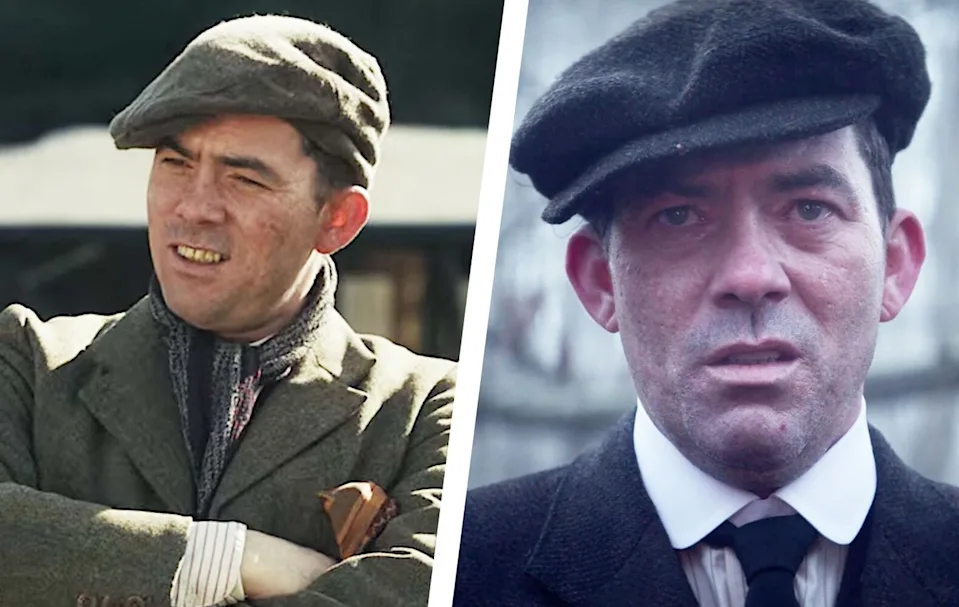
Before Peaky Blinders, many cast members were already respected actors, but the series significantly elevated their global recognition. Cillian Murphy had previously worked in films like Inception and 28 Days Later, but Thomas Shelby made him an international icon. Similarly, Tom Hardy’s role added another memorable character to his already impressive career.
After the success of the series, many members of the Peaky Blinders cast went on to star in major film and television projects. The show opened doors for younger actors like Finn Cole and Sophie Rundle, who gained wider recognition in the entertainment industry. The global success of the series also led to award nominations and critical acclaim for the entire ensemble.
The transformation of the cast over time reflects the growing influence of Peaky Blinders in global pop culture. The actors have become closely associated with their roles, and their performances continue to be referenced in discussions about modern television excellence.
Cultural Impact of the Peaky Blinders Cast
The Peaky Blinders cast has had a massive impact on global pop culture. The show’s fashion, especially the Shelby-style suits, flat caps, and vintage aesthetic, has influenced modern menswear trends. Fans across the world emulate the iconic look, making it a recognizable style statement.
Beyond fashion, the series has influenced music, social media trends, and even modern storytelling techniques in television. The characters have become symbolic figures representing ambition, struggle, and resilience. Memes, fan edits, and online communities continue to keep the legacy of the cast alive long after episodes air.
The cultural influence of the Peaky Blinders cast proves that great storytelling combined with powerful performances can transcend television and become a global phenomenon. The series has reshaped how audiences perceive historical crime dramas.
Conclusion
The Peaky Blinders cast is the foundation of the show’s global success. Each actor brings depth, authenticity, and emotional strength to their roles, transforming a historical crime story into a cultural masterpiece. From the intense leadership of Thomas Shelby to the chaotic energy of Arthur Shelby and the wisdom of Polly Gray, every performance contributes to the show’s lasting legacy.
The cast’s impact extends beyond the screen, influencing fashion, pop culture, and modern television storytelling. Their performances have ensured that Peaky Blinders remains one of the most iconic series of its generation, with a legacy that continues to grow.
FAQs
Who plays Thomas Shelby in Peaky Blinders?
Cillian Murphy plays the iconic role of Thomas Shelby.
Is the Peaky Blinders cast based on real people?
Some characters are inspired by real historical gangs, but most are fictionalized.
Who is the most popular character in Peaky Blinders?
Thomas Shelby is widely considered the most popular character.
What made the Peaky Blinders cast so successful?
Strong performances, emotional depth, and excellent character writing.
Will there be a Peaky Blinders movie?
Yes, a continuation film featuring key cast members is planned.
Which actor became most famous from the show?
Cillian Murphy and Tom Hardy gained significant global recognition.
You May Also Read: Senegal vs Morocco