Sour flavouring is an important ingredient used in the food and beverage industry to create the sharp, tangy, and refreshing taste found in products such as sour candies, fruit drinks, snacks, sauces, and fermented foods. The familiar mouth-puckering sensation comes from acids that interact with taste receptors, creating the sour experience that balances sweetness, richness, and other flavour notes.
Unlike simple flavour additives, sour flavouring plays multiple roles in food development. It can improve taste balance, enhance fruit profiles, increase freshness perception, and create memorable product experiences. From small food businesses experimenting with new recipes to large manufacturers developing commercial products, understanding how sour flavouring works helps create better flavour combinations and more appealing foods.
What Is Sour Flavouring and How Does It Work?
Sour flavouring refers to ingredients or flavour systems designed to add acidity and tanginess to food products. The sour sensation is mainly created by food-grade acids that influence how the tongue detects acidity. These acids can come from natural sources such as fruits and fermentation or from commercially produced ingredients developed for consistent flavour performance.
The main purpose of sour flavouring is to control and enhance the taste profile of a product. In beverages, acidity can make fruit flavours appear brighter and more refreshing. In confectionery, it creates the contrast between sugar and sourness that consumers enjoy. In sauces and dressings, acidity helps bring different ingredients together by reducing heaviness and adding depth.
The strength of sourness depends on several factors, including the type of acid used, concentration level, the other ingredients present, and how the product is formulated. Food manufacturers carefully adjust these elements because the right balance creates an enjoyable sour taste, while excessive acidity can overpower the entire flavour profile.
Types of Acids Used in Sour Flavouring
Different acids create different sour sensations, which is why manufacturers select them carefully based on the product they are creating. Some acids provide an immediate sour impact, while others deliver a slower, longer-lasting sour experience. Combining multiple acids is also common because it allows developers to create more complex flavour profiles.
Citric acid is one of the most widely used sour ingredients because it provides a clean and bright citrus-like sourness. It is commonly found in beverages, candies, fruit products, and powdered drink mixes. Its popularity comes from its versatility and ability to enhance fruity flavours without creating an overpowering taste.
Malic acid is known for producing a stronger and longer-lasting sour sensation. It is frequently used in sour candies because it creates the intense tangy effect many consumers expect from these products. Fumaric acid provides powerful sourness and good stability, making it useful in dry products such as seasoning powders and candy coatings. Tartaric acid offers a sharper tart profile often associated with grape and fruit flavours.
| Acid | Sour Profile | Common Uses |
| Citric Acid | Bright and refreshing sourness | Drinks, candies, fruit products |
| Malic Acid | Strong and long-lasting sour taste | Sour sweets, gummies |
| Fumaric Acid | Powerful dry sour effect | Powder mixes, coatings |
| Tartaric Acid | Sharp fruity tartness | Fruit flavours, beverages |
Natural and Synthetic Sour Flavouring Explained
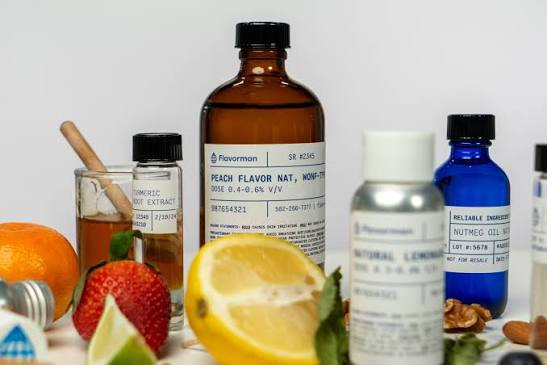
Natural sour flavouring comes from ingredients found in natural sources such as fruits, vegetables, and fermented foods. Citrus fruits provide citric acid, apples contain malic acid, and fermentation processes can produce acids that contribute to the flavour of foods like yogurt and sourdough. These natural sources have been used in traditional food preparation for generations.
The demand for natural ingredients has increased because many consumers prefer simpler ingredient lists and clean-label products. Food companies have responded by exploring fruit-derived acids, fermentation-based ingredients, and plant-supported flavour systems. However, natural sour ingredients must still be carefully managed because stability, availability, and production consistency are important factors in commercial food manufacturing.
Synthetic or commercially produced sour flavouring ingredients are developed to provide predictable results and consistent quality. These ingredients are widely used because manufacturers need reliable flavour performance across thousands or millions of product units. When produced according to food safety regulations, approved sour acids are considered suitable for use in food products.
Sour Flavouring Powder and Liquid Concentrates
Sour flavouring powder is commonly used in products where manufacturers need a strong sour effect that can easily coat or blend with dry ingredients. It is especially popular in sour candies, snack seasonings, drink powders, and confectionery applications. Powder systems often combine acids with flavour compounds, sweeteners, and carriers to create a balanced taste experience.
In sour candy production, powdered sour flavouring is often applied as an outer coating or mixed into the candy formula. The intensity depends on the combination of acids, sugar levels, and the amount of coating used. A carefully designed formula creates the exciting sour sensation consumers expect without making the product unpleasantly acidic.
Liquid sour flavour concentrates are commonly used in beverages, desserts, sauces, and baking applications. They allow manufacturers to add controlled sour notes while maintaining the desired texture and consistency. Choosing between powder and liquid sour flavouring depends on the product type, manufacturing process, and the flavour result required.
How Sour Flavouring Is Used in Different Products
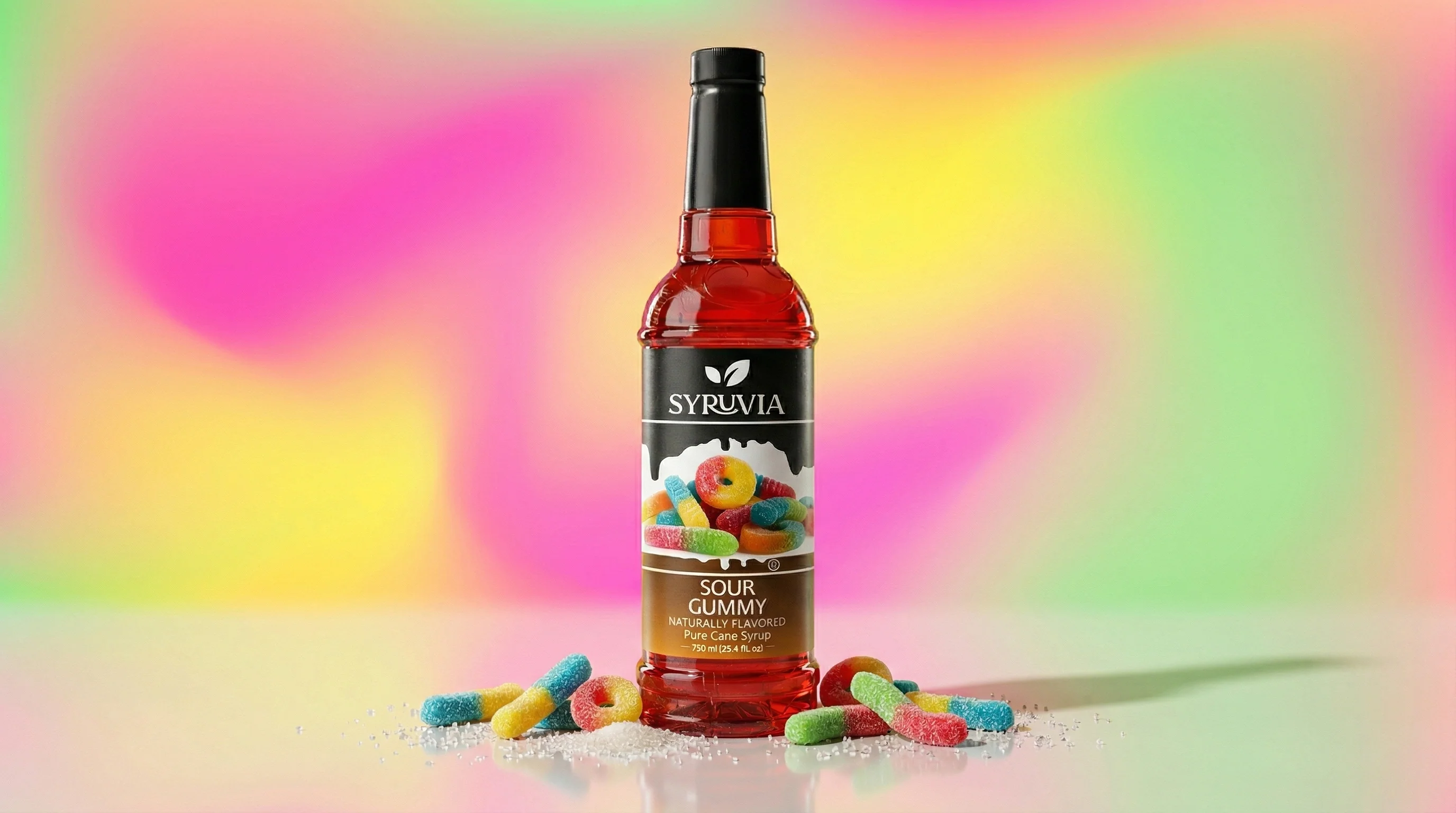
Sour flavouring is widely used in confectionery because the combination of sweetness and acidity creates a strong sensory experience. Sour gummies, hard candies, chewy sweets, and coated snacks often rely on acids to produce their signature tangy taste. The popularity of sour candy continues because it offers a more exciting experience compared with traditional sweet flavours.
The beverage industry also depends on sour flavouring to create balanced and refreshing drinks. Lemon drinks, fruit beverages, energy drinks, and powdered drink mixes often use acids to improve flavour brightness. Without acidity, many fruit-based beverages can taste flat or overly sweet.
In sauces, dressings, and prepared foods, sour flavouring works as a balancing ingredient. Vinegar, citrus-based acids, and other sour components help create depth and improve overall taste. Fermented foods such as yogurt, kefir, and certain cheeses also rely on natural acidity to develop their characteristic flavours and textures.
How Manufacturers Control Sourness Levels
Creating the right level of sourness requires careful formulation and testing. Food scientists consider acidity levels, ingredient interactions, sweetness, aroma, and texture when developing products. The goal is not simply to make a product extremely sour but to create a balanced flavour that consumers enjoy.
Manufacturers often combine different acids because each one contributes a different characteristic. One acid may provide an immediate sour effect, while another creates a longer-lasting sensation. This approach allows companies to design products with more complex and enjoyable flavour experiences.
Modern food technology has improved the way sour flavouring is delivered. Techniques such as microencapsulation help protect flavour compounds, improve stability, and control how flavours are released during consumption. These methods are especially useful in products where maintaining flavour quality over time is important.
How to Choose the Right Sour Flavouring
Choosing the right sour flavouring depends on the product being created and the desired taste result. Candy manufacturers may prefer acids that create strong and lasting sourness, while beverage producers may choose ingredients that provide a cleaner and more refreshing acidity.
Product texture also influences the choice. Sour flavouring powder may work better for dry coatings and seasoning blends, while liquid concentrates are often more suitable for drinks and liquid-based recipes. Manufacturers must also consider shelf life, ingredient compatibility, and consumer preferences when selecting a sour flavour system.
Another important factor is flavour balance. A successful product does not rely only on sourness; it combines acidity with sweetness, aroma, and other taste elements. The best sour flavouring enhances the complete product experience rather than overpowering other flavours.
Safety and Food Regulations for Sour Flavouring
Food safety is an essential part of sour flavouring production. Approved acids and flavour ingredients must meet strict quality standards before being used in consumer products. Regulatory organizations establish guidelines to ensure that food ingredients are used appropriately and safely.
Manufacturers must also provide accurate labeling so consumers can understand the ingredients included in their food. Proper production practices, quality testing, and compliance with food regulations help maintain product safety and consumer confidence.
Although approved sour flavouring ingredients are considered safe when used correctly, highly acidic foods may affect people with sensitive teeth or specific dietary concerns. Like all food ingredients, sour flavouring should be consumed as part of a balanced diet.
Future Trends in Sour Flavouring
The popularity of sour flavouring continues to grow as consumers look for more adventurous and creative taste experiences. Sour-sweet combinations, exotic fruit flavours, fermented beverages, and unique snack profiles are becoming increasingly popular across global markets.
Clean-label preferences are also influencing new product development. Many companies are exploring naturally derived acids, fermentation-based ingredients, and simpler formulations to meet changing consumer expectations. At the same time, food technology continues to improve flavour stability and allow more precise flavour customization.
As food trends continue to evolve, sour flavouring will remain an important tool for creating innovative products. Its ability to refresh, balance, and enhance flavours ensures that it will continue playing a major role in the future of food and beverage development.
Conclusion
Sour flavouring is much more than an ingredient that creates a sharp taste. It is a carefully developed flavour system that helps manufacturers create balanced, exciting, and memorable food experiences. From sour candies and beverages to sauces and fermented foods, acidity plays an important role in shaping how products taste.
Understanding different acids, applications, and formulation techniques allows businesses and consumers to better appreciate the science behind sour flavours. As demand for unique tastes, natural ingredients, and innovative products continues to grow, sour flavouring will remain a valuable part of modern food creation.
FAQs
What is sour flavouring made from?
Sour flavouring is commonly made using food-grade acids such as citric acid, malic acid, fumaric acid, and tartaric acid.
Which sour flavouring is used in candy?
Malic acid, citric acid, and fumaric acid are commonly used to create sour candy flavours.
Is sour flavouring the same as citric acid?
No, citric acid is one type of sour ingredient, while sour flavouring may contain different acids and flavour components.
Can sour flavouring be used in drinks?
Yes, sour flavouring is widely used in fruit drinks, beverages, and powdered drink mixes.
What creates a stronger sour taste?
A stronger sour taste depends on the type of acid, concentration level, and the way ingredients are combined.
You May Also Read: Crunchyroll Checker