Grandpa Loss: Understanding the Pain of Losing a Grandfather and Learning to Live With His Memories

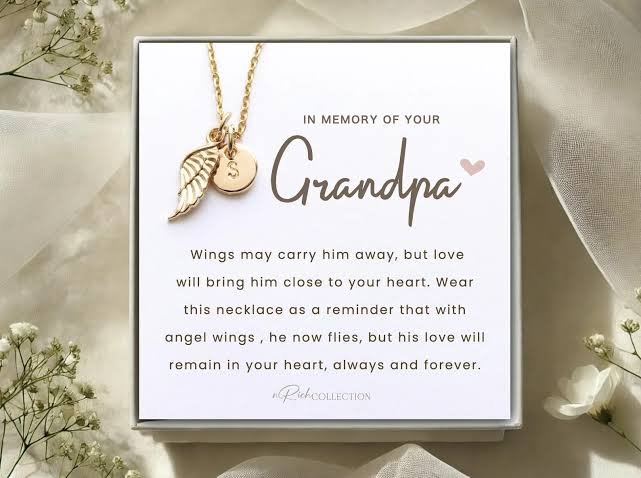
Losing a grandfather can change the way you see family, memories, and even everyday moments. A grandpa is often more than an older family member; he can be a storyteller, a teacher, a supporter, and someone who quietly shapes your values. Many grandchildren remember their grandfather through small moments — sitting together, listening to his advice, hearing his childhood stories, celebrating special occasions, or simply feeling comforted by his presence. When he passes away, those ordinary moments can suddenly feel deeply meaningful because they represent a connection that cannot be replaced.
Grandpa Loss is a personal experience that looks different for everyone. Some people feel immediate sadness, while others experience grief later when they face a family event, holiday, achievement, or a moment when they wish their grandfather was there. The process of grieving is not about forgetting someone you loved; it is about learning how to carry their memories, values, and influence with you. Understanding your emotions and finding healthy ways to honor your grandfather can help you move forward while keeping his importance alive.
Why Losing a Grandpa Feels So Painful
The relationship between a grandchild and grandfather often has a unique emotional connection. Grandfathers frequently provide a different type of support than parents or friends. They may offer patience, life experience, family history, and guidance without the pressures that sometimes exist in other relationships. For many people, a grandfather becomes a safe place where they can ask questions, share dreams, or simply enjoy time together without judgment.
When a grandfather dies, the loss can feel like losing a connection to your past. Many people miss not only the person but also the feeling of being around him. They miss his voice, his habits, his advice, and the small traditions that made family moments special. A favorite chair left empty, a family gathering without his stories, or a holiday that feels different can remind you how important his presence was.
For some grandchildren, the grief is even stronger because their grandfather was like a second parent. He may have helped raise them, supported them during difficult times, or played an important role in their childhood. In these situations, losing a grandpa can feel like losing a major source of emotional security and guidance.
The Different Emotions You May Feel After Grandpa Loss
Grief does not follow a single pattern. After losing a grandfather, a person may experience sadness, anger, confusion, guilt, loneliness, or moments of disbelief. Some people feel peaceful because their grandfather lived a meaningful life, while others struggle because they were not ready to say goodbye. Every emotional response is valid because every relationship is different.
One common feeling after losing a grandpa is regret. You may think about conversations you wanted to have, visits you wish had lasted longer, or moments you wish you could experience again. These thoughts are normal during grief, but they should not remove the value of the relationship you already shared. The love between you and your grandfather was built through many moments, not just the final days.
Grief can also appear unexpectedly. A song, a smell, an old photograph, or a familiar place can suddenly bring back memories. These moments may feel painful, but they also show the impact your grandfather had on your life. Missing someone deeply is often a reflection of how meaningful their presence was.
How to Cope With the Loss of a Grandfather
Healing after Grandpa Loss does not mean leaving your grandfather behind. It means finding ways to remember him while continuing your own life. One of the most important steps is allowing yourself to experience grief instead of trying to hide it. Talking about your feelings, sharing memories, writing your thoughts, or spending time with supportive people can help you process the emotions that come with loss.
Many people find comfort in sharing stories about their grandfather. Family conversations can bring back memories that may have been forgotten and help everyone understand the impact he had. You might talk about his personality, his favorite sayings, his hobbies, or the lessons he taught. These conversations can turn grief into a celebration of the life he lived.
Creating a personal memory practice can also be helpful. Some people create a photo collection, write letters to their grandfather, keep meaningful belongings, or record family stories for future generations. These actions allow you to maintain a connection with his memory in a positive and meaningful way.
Ways to Honor and Keep Your Grandpa’s Memory Alive
Honoring a grandfather does not require a large ceremony or expensive memorial. Often, the most meaningful tributes are simple actions connected to who he was. If your grandfather loved gardening, cooking, reading, repairing things, or spending time outdoors, continuing one of those activities can become a special way to remember him.
Family traditions are another powerful way to keep a grandfather’s memory alive. Preparing his favorite meal, celebrating an important date, visiting a place he loved, or sharing his stories with younger family members allows his influence to continue. These traditions create a bridge between generations and ensure that his life remains part of the family story.
A grandfather’s greatest legacy is often found in the values he passed down. His kindness, patience, honesty, humor, or determination may continue through the choices you make every day. Living according to the lessons he taught you can become one of the most meaningful ways to honor his life.
Coping With Grandpa Loss During Holidays and Special Moments
Certain times of the year can make grief feel stronger. Birthdays, holidays, weddings, graduations, and family gatherings may remind you that your grandfather is no longer physically present. These moments can bring a mixture of happiness and sadness because you are celebrating something important while also feeling his absence.
During these occasions, it can help to create a small remembrance tradition. Families may share a favorite story, look through old photographs, prepare a meal he enjoyed, or take a moment to remember the role he played in their lives. These actions do not remove the sadness, but they can make special occasions feel more connected and meaningful.
It is also important to be patient with yourself during these moments. Feeling emotional does not mean you have failed to heal. Grief can exist alongside happiness, and remembering someone you love is a natural part of keeping their impact alive.
Helping Children Understand the Loss of a Grandpa

Children may experience the death of a grandfather differently from adults. For many children, a grandpa represents fun, comfort, and a special relationship filled with stories and attention. They may not fully understand death, but they can still feel the absence and sadness caused by losing someone important.
Adults can help children cope by speaking honestly and using simple explanations. Encouraging children to share memories, draw pictures, create a memory book, or talk about their feelings can help them express grief in a healthy way. Avoiding conversations about loss may make children feel confused or alone.
Children should also be reminded that it is okay to feel sad and that memories of their grandfather can remain meaningful. Helping them understand grief teaches emotional strength and shows them that love continues even after someone is no longer physically present.
When Grandpa Loss Becomes Difficult to Manage
Grief is a natural response to losing someone important, but sometimes the emotional pain becomes difficult to handle without support. If sadness, anxiety, hopelessness, or isolation continues for a long period and begins affecting daily life, seeking help from a counselor or support professional can be beneficial.
Professional support does not mean someone is grieving incorrectly. Everyone experiences loss differently, and some people need additional guidance to process their emotions. Speaking with someone who understands grief can provide new ways to manage difficult feelings and rebuild daily routines.
Healing does not mean that you stop missing your grandfather. Instead, healing means that the memories become something you can carry with love rather than only pain. The relationship changes, but the influence your grandfather had on your life remains.
Grandpa Loss Messages and Words of Comfort
Finding the right words after someone loses their grandfather can be difficult. A thoughtful message does not need to be long; it simply needs to recognize the person’s pain and acknowledge the importance of the relationship. Genuine words of support can remind someone that they are not alone during a difficult time.
Examples of comforting messages include:
- “I am sorry for your loss. May the beautiful memories you shared with your grandfather bring you comfort and peace.”
- “Your grandpa’s kindness and wisdom will continue to live through the people he inspired.”
- “Although he is no longer beside you, the love and lessons he gave you will always remain.”
A meaningful tribute can also include personal memories. Sharing a favorite story or mentioning a special quality about someone’s grandfather can make a message feel more personal and comforting.
Frequently Asked Questions
Why does losing a grandpa hurt so much?
Losing a grandpa can hurt deeply because many grandfathers provide love, guidance, family connection, and emotional support. The grief often comes from missing both the person and the special role they played in your life.
How long does grief last after losing a grandfather?
There is no specific timeline for grief. Some people begin adjusting after months, while others continue feeling their grandfather’s absence for years. Healing depends on the relationship, memories, and personal way of processing loss.
How can I remember my grandfather after his death?
You can remember your grandfather by keeping photos, sharing family stories, continuing his traditions, creating a memorial, or following the values and lessons he taught you.
What can I say to someone who lost their grandpa?
A simple message of sympathy, understanding, and support is often meaningful. Let them know you are thinking about them and that their grandfather’s memory will continue to be valued.
Is it normal to still miss my grandpa years later?
Yes, it is completely normal. Missing someone years after their death does not mean you have not healed. It means that person had an important place in your life, and their influence continues through your memories and experiences.
You May Also Read: Sour Flavouring