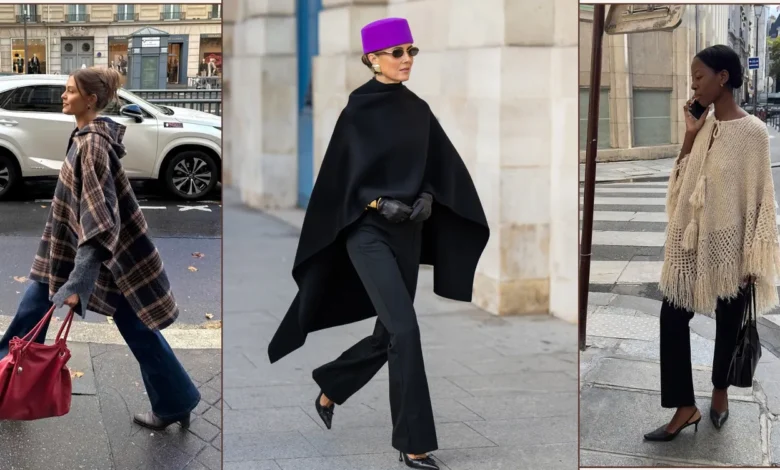
A poncho is a versatile garment that has seamlessly blended fashion and function over centuries. Traditionally a simple, loose-fitting cloak made from a single piece of fabric with an opening for the head, ponchos are known for their comfort, ease of wear, and adaptability. Originating in South American cultures, particularly in the Andes region, ponchos were initially worn for warmth and protection against harsh mountain climates. Today, the poncho has transcended its functional roots to become a global fashion staple, offering both style and practicality.
One of the key reasons ponchos have endured in popularity is their versatility. Unlike fitted clothing, a poncho drapes naturally over the body, allowing for freedom of movement and layering over other garments. Its loose silhouette also makes it suitable for all body types, providing comfort without compromising style. Modern ponchos incorporate a range of fabrics, designs, and embellishments, making them appropriate for everything from casual outings to formal occasions.
Additionally, the poncho serves as a cultural symbol, representing centuries of heritage and craftsmanship. In indigenous communities, intricate patterns, colors, and weaving techniques convey stories, status, and identity. As fashion evolved, designers around the world have embraced these traditional motifs, adapting them into contemporary collections. This intersection of heritage, practicality, and style is what makes the poncho an enduring garment in both traditional and modern wardrobes.
Whether worn as a cozy layer during winter, a light cover in spring, or a waterproof shield during outdoor adventures, the poncho continues to prove its relevance. Its combination of comfort, aesthetic appeal, and cultural richness ensures that it remains a wardrobe essential across generations and regions.
History and Cultural Significance
The poncho has deep cultural roots dating back thousands of years, particularly in the Andes regions of South America. It was originally crafted from wool or llama fibers, materials that provided warmth and durability in high-altitude climates. Each poncho was more than a garment; it served as a canvas for storytelling, with specific patterns and colors signifying tribal affiliation, social status, or ceremonial importance. Woven ponchos were a testament to craftsmanship and cultural identity, with skills passed down through generations.
Over time, the poncho gained international recognition and began influencing fashion beyond its indigenous origins. In the 20th century, it emerged as a symbol of bohemian style in Europe and North America, especially during the 1960s and 1970s. Its association with freedom, comfort, and counterculture made it a popular choice among artists, travelers, and fashion enthusiasts seeking both functionality and self-expression.
Modern ponchos have preserved elements of traditional design while incorporating contemporary aesthetics. From designer-runways to streetwear, ponchos now feature luxurious fabrics, intricate embroidery, and bold prints, allowing wearers to celebrate heritage while embracing modern style. Cultural festivals and fashion shows continue to highlight traditional Andean ponchos, ensuring the preservation of their historical significance and artistic craftsmanship.
The cultural significance of the poncho lies not only in its aesthetic appeal but also in its enduring practicality. By bridging the gap between tradition and modernity, ponchos offer a unique opportunity to honor historical heritage while adapting to contemporary lifestyle needs.
Types and Styles of Ponchos
Ponchos are available in a diverse range of styles, catering to different fashion tastes, occasions, and practical needs. Traditional ponchos maintain the classic rectangular or circular shape, often featuring geometric patterns, earthy tones, and rich textures. These are ideal for adding cultural authenticity and elegance to everyday outfits. Modern fashion ponchos, on the other hand, experiment with asymmetrical cuts, fringe detailing, oversized fits, and minimalist designs to cater to contemporary wardrobes.
The choice of material significantly affects the functionality and comfort of a poncho. Wool, cashmere, and alpaca blends are popular for winter ponchos, providing warmth and softness. Cotton and lightweight synthetics are suitable for spring and summer, offering breathability and easy layering. Waterproof polyester or nylon ponchos are designed specifically for outdoor activities such as hiking, camping, or festival use, protecting wearers from rain and wind while remaining lightweight and packable.
Seasonal variations also influence poncho style. Summer ponchos tend to be airy and flowy, sometimes featuring vibrant prints or crochet patterns, whereas winter ponchos are thicker, often lined or knitted for added warmth. Designers also create versatile pieces that transition across seasons, allowing wearers to style them with belts, scarves, or jackets.
When selecting a poncho, personal style and body type should guide the choice. Longer, flowing ponchos create an elegant silhouette, while shorter, structured ponchos offer a chic, casual look. Patterned designs can draw attention to specific areas, while solid-colored options provide a versatile canvas for accessorizing. With countless styles and materials available, the poncho remains a highly adaptable garment suitable for all wardrobes.
How to Wear and Style a Poncho
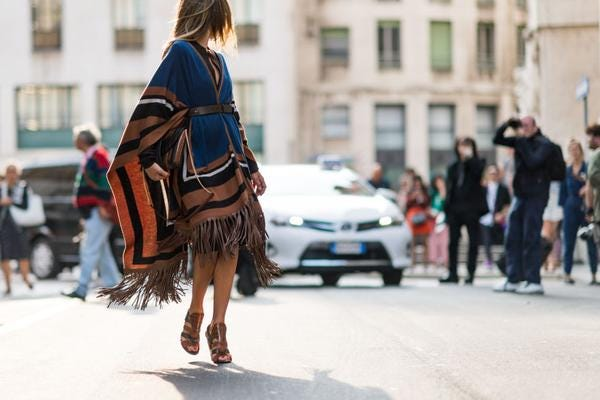
Styling a poncho effectively requires understanding layering, proportions, and complementary accessories. For casual wear, ponchos pair well with fitted jeans, leggings, or skirts, balancing the loose silhouette with structured pieces underneath. Adding a belt can define the waistline, creating a more tailored and polished look. Ponchos also work beautifully over long-sleeve shirts, turtlenecks, or lightweight jackets, making them suitable for transitional weather.
For footwear, boots are a classic choice, especially knee-high or ankle boots for colder seasons. Sneakers or flats complement casual summer ponchos, while heels can elevate a designer poncho for formal events. Accessories like hats, scarves, or statement jewelry further enhance the outfit, allowing the poncho to remain the centerpiece of the look. Patterns, prints, and textures should be considered to create harmony with other clothing elements, avoiding overwhelming combinations.
Ponchos are highly adaptable for formal occasions as well. Designer fabrics such as cashmere, silk blends, or embroidered textiles can transform a poncho into a sophisticated outer layer for evening events. Paired with tailored pants or dresses, they offer elegance and comfort simultaneously. Color coordination is crucial; neutral tones provide versatility, while bold colors or prints can make a striking statement piece.
Outdoor and functional ponchos prioritize practicality without compromising style. Waterproof ponchos, often lightweight and compact, are ideal for hiking, festivals, or travel. These can be layered over casual clothing and paired with durable boots, offering protection from the elements while maintaining aesthetic appeal. The versatility of the poncho allows wearers to express personal style across multiple settings.
Ponchos for Functionality and Outdoor Use
Beyond fashion, ponchos serve critical practical functions, particularly in outdoor environments. Rain ponchos are lightweight, waterproof, and easy to pack, making them essential for camping, hiking, and travel. Their loose design allows for layering over bulky clothing or backpacks, ensuring protection from wind and rain. Breathable fabrics prevent overheating, and modern designs often include hoods, adjustable closures, and reflective details for added safety.
Outdoor ponchos also offer versatility in emergency situations. Compact ponchos can double as ground covers, temporary shelters, or blankets during camping trips. They are easy to carry, store, and deploy, making them a staple in survival kits or outdoor gear collections. Weather-resistant ponchos, often made from polyester or nylon, provide durability and long-lasting protection against harsh environmental conditions.
For travel enthusiasts, ponchos are a lightweight alternative to bulky jackets, providing coverage without adding weight to luggage. Their multifunctional design, combined with quick-drying materials, ensures practicality for unpredictable climates. Even urban dwellers can benefit from functional ponchos during commutes or outdoor events, blending utility with casual style.
By selecting the right material, size, and features, outdoor ponchos balance performance, comfort, and style. They demonstrate the adaptability of the poncho, proving it is not just a fashion item but a practical solution for everyday and adventurous use.
DIY and Custom Ponchos
For creative enthusiasts, making or customizing a poncho adds a personal touch. Crochet and knit techniques allow crafters to design unique patterns, textures, and color combinations. Sewing a basic poncho is also accessible, requiring minimal fabric and simple stitching skills. Customization through embroidery, patches, fringe, or dyes adds individuality and turns a plain garment into a statement piece.
Sustainable fashion is another advantage of DIY ponchos. Using recycled fabrics, leftover textiles, or ethically sourced materials reduces environmental impact while creating one-of-a-kind garments. Handmade ponchos also make thoughtful gifts, offering functionality and personal expression. Tutorials and online resources provide step-by-step guidance, making poncho crafting accessible to beginners and experts alike.
Custom ponchos allow wearers to experiment with length, shape, and design elements that suit their lifestyle. Whether for fashion, function, or both, the DIY approach empowers creativity while celebrating the cultural significance of this versatile garment.
Conclusion
Ponchos are timeless garments that combine comfort, functionality, and style. From traditional Andean designs to modern fashion-forward pieces, ponchos offer versatility for every wardrobe and occasion. They serve both practical purposes—protection from weather and ease of movement—and aesthetic functions, elevating outfits with texture, color, and silhouette.
Understanding the history, types, materials, and styling options allows individuals to fully appreciate and utilize ponchos in everyday life. Whether for fashion, outdoor activities, or creative DIY projects, ponchos remain a dynamic and culturally rich garment that continues to inspire designers and wearers worldwide.
FAQs
What is a poncho, and where did it originate?
A poncho is a loose-fitting garment that originated in South American cultures, primarily in the Andes, used for warmth and protection.
What are the different types of ponchos?
Types include traditional woven ponchos, knitted or crocheted ponchos, rain or waterproof ponchos, and modern designer styles.
How do I choose the right material for a poncho?
Consider climate, season, and purpose: wool or alpaca for warmth, cotton for light wear, and synthetic waterproof fabrics for outdoor use.
Can ponchos be worn for formal occasions?
Yes, designer fabrics, embroidery, and tailored silhouettes allow ponchos to be styled for elegant or formal events.
How do I style a poncho for everyday fashion?
Pair with fitted bottoms, boots or sneakers, accessories like belts or scarves, and coordinate colors or patterns for balance.
Are ponchos suitable for outdoor activities like hiking or camping?
Absolutely, lightweight, waterproof, and breathable ponchos provide protection and convenience for outdoor adventures.
How do I care for and clean a poncho?
Follow fabric-specific care instructions: hand wash delicate fibers, machine wash synthetics, and air-dry to maintain shape and longevity.
Can I make my own poncho at home?
Yes, using sewing, crochet, or knitting techniques, you can create custom ponchos tailored to your style.
What colors and patterns are currently trendy for ponchos?
Bold patterns, ethnic prints, neutrals, and pastel tones are all popular, depending on personal style and season.
Are ponchos unisex, or are there specific styles for men and women?
Ponchos are largely unisex, though certain designs may cater to specific gender preferences in fit, color, or length.
You May Also Read: Dado Rail