Lydd Airport Romney Marsh: Latest Development Plans, History and Future of Kent’s Regional Airport

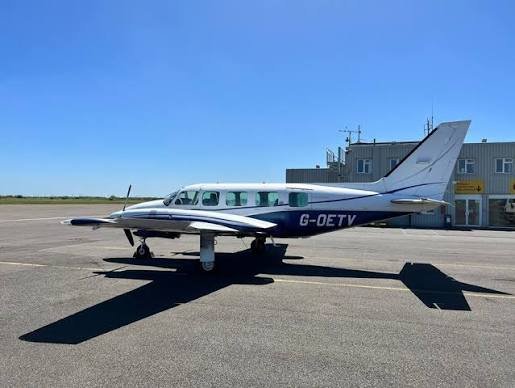
Lydd Airport Romney Marsh is a regional airport located near Lydd in Kent, England, serving as an important aviation facility for the southeast of the UK. Also known as London Ashford Airport, the airport operates mainly for general aviation, private aircraft, training flights, and specialist aviation activities rather than large commercial airline services. Its location on the edge of Romney Marsh gives it a unique position, combining open airspace, accessibility, and a long connection with the aviation history of Kent.
Interest in Lydd Airport Romney Marsh has increased because of its future development opportunities and changing role within modern aviation. Instead of competing directly with major airports, Lydd is focusing on specialist aviation, innovation, and creating opportunities for emerging technologies. Recent airport updates highlight activities related to aviation training, accessibility programmes, and future flight concepts, showing that the airport continues to evolve beyond its traditional role.
Latest Lydd Airport Romney Marsh Expansion Plans and Development Updates
The future development of Lydd Airport Romney Marsh is focused on improving aviation facilities while adapting to the changing needs of the industry. The airport has explored infrastructure improvements and development opportunities that could strengthen its position as a regional aviation centre. Planning records show recent activity connected with a proposed new hangar at Lydd Airport, although the environmental impact screening application associated with that proposal was later withdrawn before a final planning decision.
Rather than a confirmed large-scale airport expansion similar to major UK airports, current development discussions are centred around gradual improvements, specialist aviation facilities, and future aviation opportunities. This approach reflects the airport’s role as a smaller regional facility where growth must consider local planning requirements, environmental factors, and the character of Romney Marsh.
One of the most significant areas of future development is Lydd Airport’s involvement in advanced aviation technology. The airport promotes its Future of Flight initiatives, highlighting its suitable airspace, existing aviation infrastructure, and operating environment as advantages for testing and developing new aviation concepts. These projects could help position Lydd as a location for future aviation innovation, including uncrewed aircraft and next-generation flight systems.
Where Is Lydd Airport Romney Marsh Located?
Lydd Airport Romney Marsh is situated at Romney Road, Lydd, Kent, with the postcode TN29 9QL. The airport sits close to the English Channel coastline and is surrounded by the distinctive landscape of Romney Marsh, one of southeast England’s most recognisable natural areas. Its location places it near several important towns, including Ashford, Folkestone, Rye, and Hastings, making it accessible for aviation users across the region.
The location of Lydd Airport provides several operational advantages. Unlike larger airports surrounded by dense urban areas, Lydd benefits from a more open environment with less congested airspace. This makes it suitable for flight training, private aviation, aircraft testing, and specialist operations where flexibility and controlled conditions are important.
Lydd Airport Facilities and Current Aviation Operations
Lydd Airport Romney Marsh primarily supports general aviation activities, including private flying, pilot training, aircraft movements, and specialist aviation services. While it does not operate as a major passenger airport like Heathrow or Gatwick, it provides important aviation infrastructure for users who require a smaller and more flexible operating environment.
The airport continues to support aviation professionals, pilots, and organisations through its facilities and operational services. Recent airport updates have also highlighted its involvement in aviation education and workforce development, including activities supporting future air traffic controllers. These initiatives show that Lydd’s contribution extends beyond aircraft movements and includes skills development within the aviation sector.
History of Lydd Airport Romney Marsh and London Ashford Airport
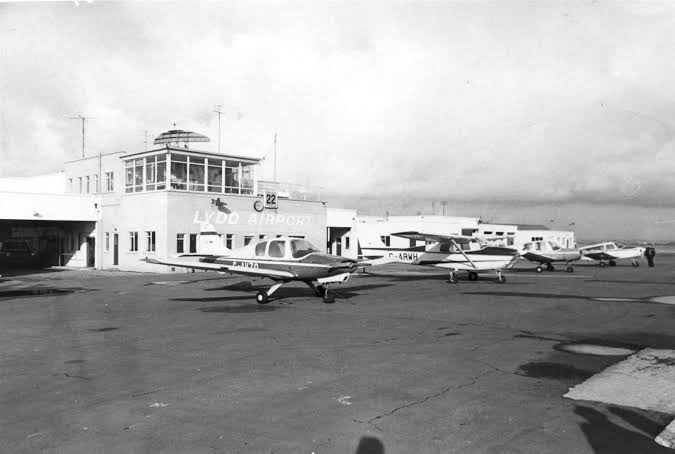
The history of Lydd Airport Romney Marsh reflects the development of regional aviation in Britain. Established during the post-war period, the airport grew during a time when smaller airfields played an important role in expanding civil aviation. Over the decades, Lydd developed from a local airfield into a recognised aviation facility serving private pilots, training organisations, and specialist operators.
The airport was previously promoted under the name London Ashford Airport, reflecting its connection with the wider Kent transport network and the nearby town of Ashford. Although the airport has experienced periods of change and challenges common among regional airports, it has maintained its identity by focusing on specialist aviation services and adapting to new opportunities.
Why Lydd Airport Is Important for Romney Marsh and Kent
Lydd Airport Romney Marsh plays an important role in supporting the local economy and aviation community. Smaller airports often provide value beyond passenger numbers because they support employment, training, engineering services, and businesses connected with aviation. For Romney Marsh and surrounding Kent areas, the airport represents a long-standing part of the region’s infrastructure.
The airport also contributes to the identity of the area by connecting aviation with tourism, local development, and regional accessibility. Romney Marsh attracts visitors because of its wildlife, coastline, historic villages, and unique landscape. Having an operational airport nearby adds another dimension to the region’s transport network and economic activity.
Environmental Considerations Around Lydd Airport Development
Development at Lydd Airport Romney Marsh must consider the sensitive environment surrounding the airport. Romney Marsh is known for its wetlands, wildlife habitats, and important natural landscapes. Any future airport improvements need to balance aviation requirements with environmental responsibilities and local planning considerations.
This balance is one of the main challenges facing smaller airports today. Modern aviation development increasingly focuses on reducing environmental impact through improved efficiency, better operational planning, and new technologies. For Lydd Airport, future growth will likely depend on maintaining cooperation between aviation users, local communities, and environmental stakeholders.
The Future of Lydd Airport Romney Marsh
The future of Lydd Airport Romney Marsh is likely to be shaped by innovation rather than traditional airport expansion. As aviation changes, smaller airports are gaining new opportunities through emerging sectors such as electric aircraft, uncrewed aviation, research, and specialist testing environments.
Lydd Airport has positioned itself as a potential location for future aviation development because of its available space, operational environment, and existing aviation infrastructure. Its Future of Flight initiatives aim to support companies, researchers, and aviation organisations working on new technologies. This could allow Lydd to remain relevant in a rapidly changing aviation industry while continuing its long association with Romney Marsh.
Key Takeaways About Lydd Airport Romney Marsh
Lydd Airport Romney Marsh is a regional Kent airport with a history stretching back decades and a future focused on specialist aviation opportunities. Although it is not a major commercial passenger airport, it provides important services for general aviation, training, private flying, and emerging aviation projects.
Current development activity focuses on improving the airport’s capabilities while respecting planning requirements and the surrounding environment. With growing interest in future aviation technologies, Lydd has the opportunity to develop into a modern regional aviation hub that combines heritage with innovation.
Conclusion
Lydd Airport Romney Marsh remains an important part of Kent’s aviation landscape. Its value comes not from competing with Britain’s largest airports but from providing a flexible environment for specialist aviation, training, and future technology development.
The airport’s future will depend on careful planning, sustainable growth, and continued adaptation to industry changes. As aviation moves toward new technologies and operating models, Lydd Airport has the potential to play a meaningful role in the future of regional aviation while preserving its connection with the unique Romney Marsh environment.
FAQs
What is Lydd Airport Romney Marsh also known as?
Lydd Airport Romney Marsh is also known as London Ashford Airport. The name has been used to highlight the airport’s connection with Kent’s wider transport network, although the airport itself is located near Lydd on Romney Marsh.
Where is Lydd Airport located?
Lydd Airport is located on Romney Road, Lydd, Kent, England, near the English Channel coast. It serves the southeast region of the UK and is close to towns including Ashford, Folkestone, and Rye.
Is Lydd Airport still operating?
Yes, Lydd Airport remains an operational regional airport. It continues to support general aviation, private flights, training activities, and specialist aviation operations.
Does Lydd Airport have commercial passenger flights?
Lydd Airport is not a major commercial airline airport. Its main activities include general aviation, private aircraft operations, training flights, and specialist aviation services.
Are there expansion plans for Lydd Airport Romney Marsh?
Lydd Airport has been involved in development discussions, including proposals related to improving airport facilities. Recent planning records show activity regarding a proposed new hangar, although the related environmental screening application was withdrawn before approval.
Why is Lydd Airport important to Romney Marsh?
Lydd Airport supports local aviation, employment, training, and regional development. It also provides a base for future aviation initiatives and helps maintain Kent’s connection with the wider aviation industry.
You May Also Read: Levante Coach