The Iron Bridge Museum is a must-visit landmark for history buffs, engineering enthusiasts, and tourists exploring the heart of Shropshire, England. Situated alongside the world-famous Iron Bridge, the museum serves as a window into the industrial revolution and the engineering marvels that shaped modern Britain. The museum is dedicated to preserving the heritage of the bridge and showcasing the technological advancements of its time, making it both an educational and visually captivating destination.
Visitors to the Iron Bridge Museum can expect a deep dive into the rich history of the Iron Bridge itself, the industrial revolution, and the broader context of local history. The museum offers detailed exhibits, historical artifacts, interactive displays, and educational programs designed to engage both adults and children. Whether you are fascinated by engineering, historical architecture, or cultural heritage, the museum provides a comprehensive look at one of Britain’s most iconic structures.
Beyond its historical significance, the Iron Bridge Museum also functions as a community hub, hosting seasonal exhibitions, workshops, and special events. It’s not only a place for learning but also a venue where history comes alive through guided tours and hands-on experiences. This article aims to provide a detailed visitor guide, covering the museum’s history, exhibits, tours, and practical tips for planning your visit, ensuring you make the most of your experience.
History of the Iron Bridge Museum
The Iron Bridge, completed in 1779, was the first bridge in the world made entirely from cast iron, marking a revolutionary moment in engineering and industrial history. The museum was established to celebrate this achievement, providing visitors with insight into the design, construction, and historical context of the bridge. Its creation reflects the broader industrial innovations taking place in Shropshire and the surrounding areas during the 18th century.
The museum chronicles the life and work of the key figures behind the Iron Bridge, including ironmasters and engineers who contributed to its construction. Exhibits detail the technical challenges of using cast iron for large-scale structures, highlighting how the bridge became a symbol of ingenuity and human innovation. The museum not only showcases the bridge itself but also contextualizes its place in the industrial revolution, including the growth of iron production, manufacturing, and transportation networks.
Over time, the museum has expanded to include more artifacts and exhibits that provide a holistic view of local history. Its development has ensured that visitors can explore both the architectural marvel of the Iron Bridge and the social and economic changes it spurred. From the earliest sketches to the modern preservation efforts, the museum offers a timeline of innovation and cultural significance that appeals to historians and casual visitors alike.
Exhibits and Collections
The Iron Bridge Museum features a rich variety of exhibits that appeal to all ages. The permanent collections include original cast iron components, historical tools, and models that explain how the bridge was designed and constructed. These exhibits help visitors understand the technical complexity of building a cast-iron structure in the late 18th century.
In addition to permanent displays, the museum frequently hosts temporary exhibitions showcasing local industrial history, archaeology, and art related to the Iron Bridge. Interactive exhibits, such as touchscreens and scaled models, allow visitors to explore engineering principles firsthand. These features make the museum an educational destination for school groups and families, bridging the gap between historical learning and modern technology.
For enthusiasts of engineering and industrial heritage, the museum’s collections provide invaluable insight into the processes and innovations of the era. From detailed diagrams to firsthand accounts, visitors can experience the ingenuity and ambition that led to the construction of the Iron Bridge. Seasonal exhibitions often highlight specific themes, such as local artisans, iron casting techniques, or conservation projects, keeping the museum experience fresh and engaging for repeat visitors.
Visitor Information
The Iron Bridge Museum is conveniently located near the bridge in Ironbridge, Shropshire, offering easy access for both locals and tourists. The museum provides ample parking for cars and coaches, as well as nearby public transport links, ensuring a hassle-free visit. Its proximity to the bridge allows visitors to combine a museum tour with a walk across the historic structure itself.
Opening hours are generally accommodating, with the museum typically open daily during peak tourist seasons and limited hours in winter. Ticket prices are reasonable, with discounts often available for children, students, and seniors. Many visitors find it worthwhile to book tickets in advance for guided tours, particularly during busy periods or special exhibitions.
The museum also prioritizes accessibility. Wheelchair users and visitors with mobility concerns can navigate the main exhibition areas with ease, and staff are available to provide assistance. Family-friendly amenities, such as rest areas, interactive zones, and educational resources, ensure a comfortable visit for all. Planning ahead by checking opening times, seasonal events, and special exhibitions will help maximize your experience.
Guided Tours and Educational Programs

One of the highlights of visiting the Iron Bridge Museum is the variety of guided tours and educational programs offered. Guided tours provide in-depth commentary on the history, engineering, and cultural significance of the Iron Bridge, often including behind-the-scenes insights not available on self-guided visits. Knowledgeable guides help visitors appreciate the technical achievements and historical context in an engaging and accessible way.
The museum also runs educational workshops for schools, youth groups, and families. Programs often include hands-on activities like model building, iron casting demonstrations, and interactive history sessions. These workshops make complex industrial concepts understandable and fun, fostering curiosity and learning among younger audiences.
Special events, such as annual heritage days, talks by historians, and temporary themed exhibitions, add an extra dimension to the museum experience. Participating in these programs allows visitors to engage with the museum in new ways and gain a deeper understanding of the Iron Bridge’s role in shaping regional and national history.
Architecture and Engineering Highlights
The Iron Bridge itself is a marvel of 18th-century engineering, and the museum provides detailed insight into its structural design and construction techniques. The bridge’s arches, made entirely from cast iron, represented a groundbreaking achievement at the time and demonstrated the potential of industrial materials for large-scale infrastructure.
Exhibits highlight the engineering challenges faced during construction, such as ensuring structural integrity while managing the limitations of cast iron. The museum showcases diagrams, original plans, and contemporary accounts to illustrate the technical brilliance involved. Preservation efforts are also explained, showing visitors how modern engineers maintain and protect this historic structure for future generations.
By exploring the architectural and engineering elements, visitors gain an appreciation for the innovation, skill, and determination that went into creating the Iron Bridge. The museum’s displays make it easy to understand why this landmark continues to be celebrated worldwide as a symbol of industrial progress.
Nearby Attractions and Local Amenities
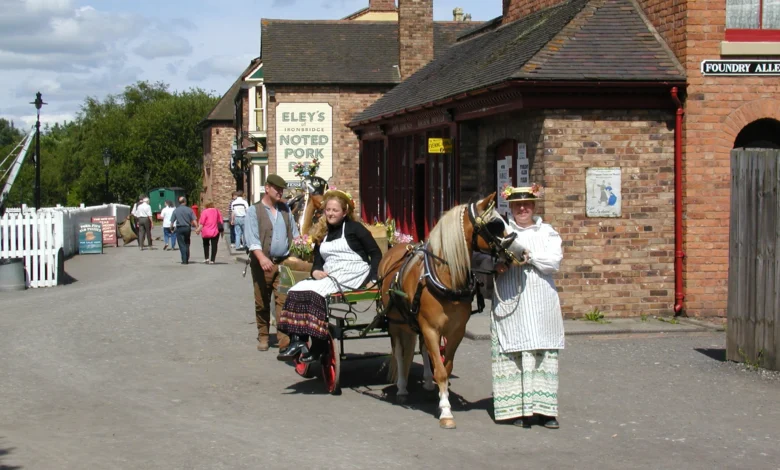
The Ironbridge area offers several attractions in addition to the museum, making it an ideal destination for a full-day visit. Nearby sites include the Coalport China Museum, Blists Hill Victorian Town, and scenic riverside walks along the River Severn. These attractions provide a well-rounded experience for visitors interested in industrial heritage and local culture.
Local restaurants, cafes, and accommodations cater to tourists, allowing for comfortable visits with convenient amenities. Many eateries offer views of the Iron Bridge, providing a picturesque backdrop for meals or breaks between museum visits. Guided tours of the surrounding area often include stops at key historical and scenic sites, enhancing the overall experience.
Combining the museum visit with local attractions allows tourists to immerse themselves fully in the heritage of Ironbridge, making it an enriching and memorable day trip for families, students, and history enthusiasts alike.
Visitor Experience and Reviews
Visitors to the Iron Bridge Museum consistently praise the engaging exhibits, knowledgeable staff, and immersive experience. Reviews highlight the clarity of information, interactive displays, and the opportunity to explore both the museum and the bridge itself. Many guests appreciate the balance between educational content and visual appeal, which makes the museum enjoyable for all age groups.
Practical tips from past visitors include arriving early to avoid crowds, bringing cameras for the scenic spots, and taking time to explore both permanent and temporary exhibits. The museum also encourages visitors to participate in workshops or guided tours for a more in-depth understanding of the Iron Bridge’s history and significance.
Overall, the Iron Bridge Museum is regarded as a must-visit for anyone interested in industrial heritage, engineering marvels, or British history. Its combination of historical accuracy, interactive learning, and community engagement ensures a memorable and enriching experience.
Conclusion
The Iron Bridge Museum is more than just a repository of historical artifacts—it is a gateway to understanding one of the most significant engineering feats of the 18th century and the broader industrial revolution. From its carefully curated exhibits and educational programs to guided tours and community events, the museum offers a comprehensive, engaging, and family-friendly experience.
Visiting the museum provides insights into both the technical brilliance and cultural significance of the Iron Bridge. With accessible facilities, a range of educational activities, and proximity to other local attractions, the Iron Bridge Museum is a must-see destination for tourists and history enthusiasts alike. It stands as a testament to the ingenuity of past generations while inspiring appreciation for engineering, history, and preservation today.
Frequently Asked Questions (FAQs)
Where is the Iron Bridge Museum located?
The museum is located in Ironbridge, Shropshire, next to the historic Iron Bridge.
What are the opening hours of the museum?
Opening hours vary seasonally, with longer hours in the summer and limited hours in winter. Check online for current schedules.
How much is the entry ticket for the Iron Bridge Museum?
Ticket prices vary for adults, children, and groups. Discounts may be available for families or students.
Are guided tours available?
Yes, guided tours provide detailed insights into the history, engineering, and cultural significance of the Iron Bridge.
Is the museum family-friendly and suitable for children?
Yes, the museum offers interactive exhibits, educational programs, and workshops designed for children and families.
What are the must-see exhibits at the museum?
Highlights include original cast iron components, historical tools, engineering diagrams, and interactive displays.
Is the museum accessible for people with disabilities?
Yes, the main exhibition areas are wheelchair-accessible, and staff are available to assist visitors.
Are there nearby restaurants or accommodations?
Yes, there are several restaurants, cafes, and hotels within walking distance of the museum, offering convenient amenities for visitors.
You May Also Read: Pets At Home Rustington