Gherkins are small, crisp cucumbers that have captured the attention of food enthusiasts worldwide for their versatility, flavor, and nutritional value. Often pickled, gherkins are celebrated not only for their tangy taste but also for the health benefits they provide. They are a staple in many culinary traditions, ranging from European sandwiches to Asian pickled delicacies, and they have become a popular ingredient in modern healthy diets.
The appeal of gherkins extends beyond their flavor. These tiny cucumbers are packed with vitamins, minerals, and antioxidants that can support overall wellness. They are hydrating, low in calories, and offer a satisfying crunch, making them ideal for snacking or adding texture to various dishes. From fresh gherkins in salads to pickled varieties enhancing the taste of sandwiches, they are both practical and flavorful.
In this guide, we will explore everything you need to know about gherkins, including what they are, their health benefits, culinary applications, storage and preservation tips, and even some fun facts. Whether you’re a home cook looking to expand your repertoire, a nutrition-conscious eater, or simply curious about this versatile vegetable, this article provides a complete overview to help you make the most of gherkins in your kitchen and diet.
What Are Gherkins?
Gherkins are small cucumbers, typically harvested while still young, and they are known for their firm texture and distinctive flavor. Unlike regular cucumbers, which are larger and more watery, gherkins are denser, crisper, and slightly more bitter, making them ideal for pickling. They originated in Europe and Asia, where they have been cultivated for centuries for both fresh consumption and preservation.
There are several common varieties of gherkins, including European gherkin, West Indian gherkins, and Indian gherkins. Each variety has its own unique size, flavor profile, and optimal use. European gherkins are the most commonly pickled and are prized for their small, uniform size and crunchy texture. In contrast, West Indian gherkins are larger, with a slightly spicier taste, often used in chutneys or sauces.
Nutritionally, gherkins are a powerhouse despite their small size. They are low in calories but high in essential vitamins such as vitamin K, which supports bone health and blood clotting, and vitamin C, an antioxidant that aids immune function. They also contain minerals like potassium and magnesium, which help regulate blood pressure and maintain electrolyte balance. Additionally, their high water and fiber content contribute to digestive health and hydration, making gherkins a perfect snack for those seeking a nutritious yet satisfying option.
Health Benefits of Gherkins
One of the primary benefits of gherkin is their contribution to digestive health. Pickled gherkins, in particular, can contain beneficial probiotics that support gut microbiota, improving digestion and nutrient absorption. The natural fiber in gherkin helps maintain bowel regularity and can reduce the risk of constipation. Eating gherkins regularly may support overall gastrointestinal health and enhance the body’s ability to process nutrients effectively.
Gherkins are also excellent for weight management. They are low in calories, high in water content, and provide a crunchy, satisfying snack that can curb hunger between meals. Unlike high-calorie processed snacks, gherkin offer a guilt-free option that adds texture and flavor to your diet without contributing to weight gain. Their hydrating properties also help maintain a feeling of fullness, which can aid in controlling portion sizes and supporting a balanced diet.
Additionally, gherkins are rich in antioxidants, including vitamin C and beta-carotene, which help combat free radicals in the body. Free radicals can damage cells and contribute to aging and chronic diseases, so incorporating antioxidant-rich foods like gherkin into your diet can support long-term health. The presence of potassium in gherkins also contributes to heart health by helping regulate blood pressure and reducing strain on the cardiovascular system.
Finally, gherkins can aid in regulating blood sugar levels. The fiber in gherkins slows the absorption of sugar, preventing rapid spikes in blood glucose. This makes them a smart addition to a diet for individuals managing diabetes or pre-diabetic conditions. Combined, these health benefits make gherkin a powerful yet simple addition to any diet, providing both nutrition and flavor in a small, convenient package.
Culinary Uses and Recipes
Gherkins are incredibly versatile in the kitchen, adding flavor, texture, and nutrition to a wide variety of dishes. They are commonly used in sandwiches, burgers, and wraps, where their tangy crunch complements creamy spreads and hearty proteins. Adding thinly sliced gherkins to salads introduces a zesty, refreshing element that balances richer ingredients such as cheese, nuts, or olives.
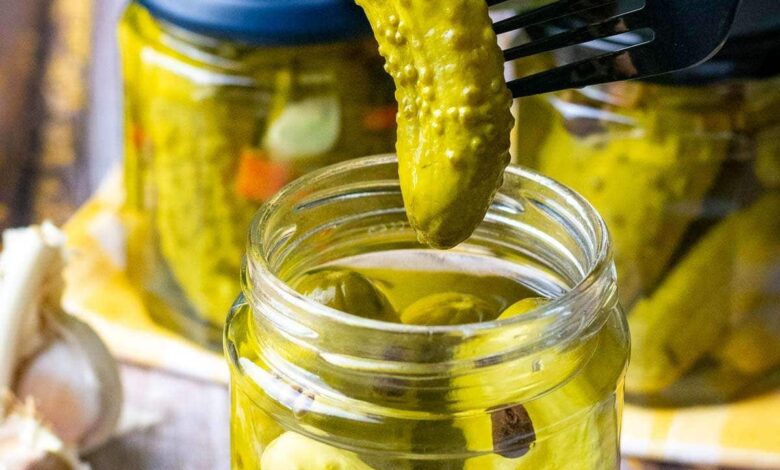
Pickling is the most popular method of preparing gherkins, transforming their natural flavor into a tangy, savory treat. Pickled gherkin can be marinated in vinegar, salt, sugar, and spices, creating unique flavor profiles ranging from sweet and mild to spicy and bold. Homemade pickling is a popular practice for food enthusiasts, allowing complete control over the flavor, texture, and preservation method. Quick pickles can be prepared in under 24 hours for immediate use, while traditional fermentation methods produce more complex, probiotic-rich results.
Beyond salads and sandwiches, gherkins can be incorporated into soups, stews, and sauces for an added tangy dimension. In some cuisines, chopped gherkin are used in relishes, dips, and even savory pastries. Their ability to pair with a wide range of flavors—from tangy and sweet to savory and spicy—makes them a kitchen staple for creative cooks. For snackers, gherkins can be enjoyed straight from the jar or served alongside cheese platters, charcuterie boards, and appetizer spreads.
Additionally, gherkins can be combined with herbs like dill, garlic, or mustard seeds to elevate the flavor profile. Infusing pickled gherkin with spices such as cumin, coriander, or chili flakes creates unique condiments that can enhance burgers, grilled meats, and vegetarian dishes. Their versatility ensures that gherkin are more than a side garnish—they can become a central flavor component in meals and snacks, bridging traditional and modern culinary styles.
How to Buy, Store, and Preserve Gherkins

When buying gherkins, freshness and firmness are key indicators of quality. Fresh gherkins should be bright green, firm to the touch, and free of blemishes or soft spots. Overripe or wrinkled gherkins can be bitter and less crisp, making them less ideal for fresh consumption or pickling. In grocery stores, check for uniformity in size and texture for consistent results, especially if pickling at home.
Proper storage ensures that gherkin remain fresh and flavorful. Fresh gherkins should be stored in the refrigerator, ideally in a perforated plastic bag to allow airflow while maintaining moisture. They can last up to two weeks when stored correctly. Pickled gherkin, on the other hand, have a longer shelf life due to the preservative effects of vinegar and salt, often remaining good for several months when kept in a sealed container and refrigerated after opening.
Homemade pickling is a popular method for preserving gherkin. By immersing fresh gherkins in a mixture of vinegar, water, salt, sugar, and spices, you can create flavorful pickles that retain their crunch and tang. For long-term storage, sterilized jars and proper sealing techniques are essential to prevent spoilage. Quick pickling offers an immediate, easy way to enjoy gherkins, while fermented pickles produce probiotic benefits and richer flavor over time.
Common mistakes to avoid during storage include exposing gherkins to excess moisture, which can lead to mold or softness, or storing them near ethylene-producing fruits like apples or bananas, which can accelerate spoilage. By selecting high-quality gherkin and following proper storage and pickling methods, you can enjoy this versatile vegetable at peak freshness for weeks or months.
Fun Facts and Cultural Significance
Gherkins have played a significant role in culinary traditions across the globe. In Europe, they are a classic component of sandwiches, salads, and charcuterie boards. In India, gherkins are used in pickles and chutneys, providing a tangy contrast to rich, spiced dishes. Their versatility has allowed them to adapt to countless recipes and regional flavors, making them a globally recognized ingredient.
Historically, gherkins were valued not only for their flavor but also for their preservation potential. Pickling allowed communities to store vegetables for the winter months, ensuring a supply of nutritious foods when fresh produce was scarce. This practice dates back centuries, highlighting the importance of gherkin in traditional diets and food preservation methods.
Gherkins have also inspired cultural traditions and trivia. For instance, in some European countries, pickled gherkins are served during festive occasions and family gatherings as a symbol of shared culinary heritage. Their small size and robust flavor have made them a favorite for garnishes, condiments, and even quirky snacks in modern cuisine.
These fun facts and historical insights emphasize that gherkins are not just a simple vegetable—they carry a rich culinary legacy that continues to influence contemporary kitchens and healthy eating habits worldwide.
Conclusion
Gherkins are a remarkable vegetable with a wide range of health benefits, culinary uses, and cultural significance. Packed with essential vitamins, fiber, and antioxidants, they support digestion, weight management, heart health, and overall wellness. Their tangy, crisp flavor enhances salads, sandwiches, pickles, and countless dishes, making them a versatile kitchen staple.
Proper selection, storage, and preservation ensure that gherkin retain their nutritional value, texture, and taste. Whether enjoyed fresh, pickled, or incorporated into creative recipes, gherkin provide both flavor and functional benefits. Including gherkins in your diet is an easy and enjoyable way to boost nutrition, add variety to meals, and explore global culinary traditions.
By understanding their benefits and applications, anyone can make gherkin a regular, valuable part of their diet, enjoying their delicious taste while reaping health and wellness advantages.
FAQs
What are the health benefits of eating gherkins?
Gherkins support digestion, weight management, heart health, and provide antioxidants.
Are gherkins good for digestion?
Yes, fiber and probiotics in pickled gherkins aid gut health and bowel regularity.
How do gherkins differ from cucumbers?
Gherkins are smaller, denser, crunchier, and slightly more bitter than regular cucumbers.
Can gherkins help with weight loss?
Yes, they are low in calories and hydrating, making them a healthy snack option.
How long do pickled gherkins last?
Several months when stored properly in sealed containers and refrigerated.
Can I pickle gherkins at home?
Yes, using vinegar, salt, sugar, and spices for homemade pickles.
Are there different types of gherkins?
Yes, including European, West Indian, and Indian varieties, each with unique flavors.
How should fresh gherkins be stored?
In the refrigerator, ideally in a perforated plastic bag, for up to two weeks.
Can gherkins be used in cooked dishes?
Yes, they can be added to soups, stews, sauces, and cooked vegetable dishes.
Are gherkins safe for people with high blood pressure?
Fresh gherkins are safe, but pickled gherkins can be high in sodium and should be consumed in moderation.
You May Also Read: Olbas Oil