A bungalow is one of the most iconic and versatile types of homes worldwide, recognized for its single-story layout and easy accessibility. Unlike multi-story houses, bungalows prioritize convenience, simplicity, and a seamless connection between indoor and outdoor spaces. Over the years, they have remained popular for families, retirees, and anyone looking for a home that combines comfort with functional living. The charm of a bungalow lies not only in its aesthetic appeal but also in the practicality it offers, making it an ideal choice for modern homeowners.
Single-story living comes with several advantages. For one, it eliminates the need to navigate stairs, which is particularly beneficial for elderly residents or families with young children. It also allows for a more open and connected floor plan, enhancing the sense of space and improving natural light throughout the home. In addition, bungalows often incorporate outdoor features like patios, porches, and gardens, promoting a lifestyle that blends indoor comfort with outdoor enjoyment.
This guide will explore every aspect of bungalow living—from its history and types to design ideas, construction considerations, and the benefits of choosing a single-story home. By the end, you will have a comprehensive understanding of why bungalows continue to captivate homeowners and how to maximize their potential. Whether you are considering buying, building, or simply learning more about bungalow architecture, this article will serve as your go-to reference.
What is a Bungalow?
A bungalow is traditionally defined as a single-story house, often featuring a low-pitched roof, wide verandas, and an emphasis on horizontal space rather than vertical. These homes typically include spacious living areas, open-plan layouts, and easy access to outdoor gardens or patios. Unlike multi-story homes, bungalows offer a seamless flow between rooms, making them highly practical for everyday living.
Historically, bungalows originated in India during the British colonial period. The word “bungalow” is derived from the Hindi word “bangla,” which described homes built in the Bengal style. British colonists adopted this design for its simplicity, affordability, and functionality, eventually introducing it to Europe and North America. Over time, the design evolved to suit modern lifestyles, incorporating updated materials, open layouts, and contemporary aesthetics.
Bungalows are distinguished by their unique blend of charm and practicality. The architectural design focuses on horizontal expansion, with wide windows and doors that enhance ventilation and natural lighting. These homes often feature external porches or patios, creating an inviting environment for relaxation and social gatherings. Their design flexibility allows for customization to suit personal taste, making them suitable for both traditional and contemporary living.
In essence, a bungalow combines historical charm with modern practicality. Its enduring appeal lies in the way it balances comfort, functionality, and aesthetic appeal, making it a timeless choice for homeowners seeking a versatile living space.
Types of Bungalows
Bungalows come in various styles to suit different tastes, budgets, and lifestyles. The most common is the traditional bungalow, which features classic elements such as sloped roofs, compact layouts, and a focus on horizontal living spaces. Traditional bungalows often include large porches, cozy interiors, and functional room arrangements, making them ideal for small families or couples. While they may lack modern luxuries, traditional bungalows offer timeless charm and an intimate atmosphere.
Modern bungalows, on the other hand, prioritize open-plan living, minimalistic design, and sleek aesthetics. These homes often incorporate expansive windows, high ceilings, and contemporary materials to create a bright and airy environment. Modern bungalows are particularly suited for homeowners who value functionality, energy efficiency, and a seamless connection between indoor and outdoor spaces. Features such as built-in storage, energy-efficient appliances, and stylish interiors make these homes a favorite among young families and professionals.
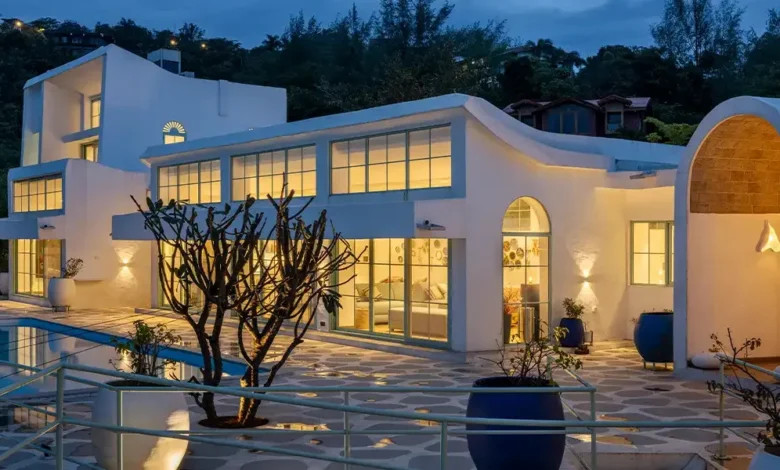
Luxury bungalows elevate the single-story concept with premium finishes, large plots, and high-end amenities. From spacious kitchens to landscaped gardens and private patios, luxury bungalows offer a lifestyle of comfort and sophistication. They are often located in exclusive neighborhoods and designed with attention to detail, catering to those who seek both privacy and opulence.
Other variations of bungalows include coastal, tropical, and minimalist designs, each adapted to specific climates or lifestyle preferences. Coastal bungalows focus on maximizing ocean views and breezy interiors, while tropical bungalows incorporate natural materials and ventilation to suit warmer climates. Minimalist bungalows emphasize simplicity, functionality, and efficient use of space, appealing to those who prefer a clean and clutter-free environment.
Design and Layout Ideas
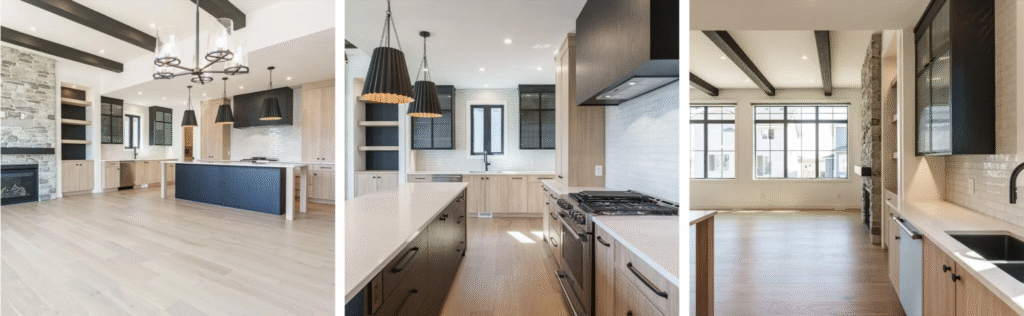
One of the major advantages of bungalows is their flexibility in design and layout. Interior spaces can be easily customized to maximize comfort and usability. Open-plan designs are especially popular, combining living, dining, and kitchen areas into a single, cohesive space. This approach enhances natural light, encourages family interaction, and creates a sense of spaciousness despite the single-story footprint. Proper furniture placement and lighting are crucial to optimizing the feel of the home, especially in compact bungalows.
Exterior design is equally important, as bungalows often emphasize the connection between indoor and outdoor spaces. Gardens, patios, and verandas enhance the home’s aesthetics and provide additional living areas for relaxation or entertainment. Landscaping can significantly improve curb appeal while offering functional outdoor space. Incorporating energy-efficient features such as solar panels, natural ventilation, and sustainable materials can further enhance both comfort and environmental sustainability.
Functional layouts in bungalows focus on maximizing space efficiency while maintaining a logical flow between rooms. Bedrooms are often grouped together, while common areas like kitchens and living rooms are centrally located. Accessibility considerations, such as wide doorways and step-free entries, are also important, particularly for elderly residents or those with mobility challenges. Universal design principles can be applied to ensure that the home remains practical and comfortable for all age groups.
In short, a bungalow offers endless possibilities for interior and exterior customization. Thoughtful design ensures that every square foot is utilized effectively while maintaining a harmonious balance between functionality, comfort, and aesthetics.
Benefits of Living in a Bungalow
Living in a bungalow comes with numerous advantages. The most immediate benefit is accessibility. Without stairs to navigate, bungalows are ideal for elderly residents, young children, or anyone with mobility concerns. This single-story layout reduces the risk of accidents and enhances convenience, making day-to-day life simpler and safer.
Maintenance is another benefit of bungalow living. With all rooms on a single level, cleaning, painting, and repairs are generally easier and less time-consuming compared to multi-story homes. Bungalows also provide a more connected living environment, allowing homeowners to monitor children or elderly family members with ease.
Energy efficiency is another advantage. Heating and cooling a single-story home is often more efficient, as temperature regulation is simpler without multiple floors. Modern bungalows can also be equipped with sustainable features such as solar panels, energy-efficient appliances, and high-quality insulation, further reducing utility costs.
Lastly, bungalows offer versatility in lifestyle. The ability to create indoor-outdoor living spaces, design open-plan interiors, and incorporate personalized landscaping allows homeowners to craft a home that meets their unique needs. This adaptability contributes to the enduring popularity of bungalows across generations.
Challenges of Bungalow Living
Despite their many benefits, bungalows come with a few challenges. One significant consideration is land use. Because bungalows spread horizontally rather than vertically, they require larger plots to accommodate similar living space compared to multi-story homes. In urban areas where land is limited, this can increase costs and limit availability.
Another challenge is potential higher construction costs. While the materials and techniques may be comparable to multi-story homes, the need for a larger foundation and roof area can increase expenses. Additionally, the resale value of bungalows may vary depending on location and demand, particularly in high-density cities where vertical homes are more common.
Finally, bungalows may offer less privacy for certain layouts. Since all rooms are on a single level, separating living spaces can be challenging without creative design solutions. However, thoughtful landscaping, partitions, and room arrangement can mitigate these issues, ensuring both comfort and privacy.
Conclusion
Bungalows are a timeless choice for homeowners seeking comfort, accessibility, and functional living. From traditional designs to modern and luxury variations, these single-story homes offer flexibility, convenience, and an inviting atmosphere. They are ideal for families, retirees, and anyone who values a safe and practical living environment.
With proper planning, thoughtful design, and attention to maintenance, a bungalow can provide decades of comfortable living. Its enduring popularity is a testament to its unique combination of practicality, charm, and adaptability. For anyone considering a single-story home, a bungalow is undoubtedly a versatile and rewarding option.
FAQs
What is a bungalow and how is it different from other homes?
A bungalow is a single-story house with a low-pitched roof and emphasis on horizontal space. Unlike multi-story homes, it offers easy accessibility and an open layout.
How much does it cost to build a bungalow?
Costs vary based on size, materials, and location, but generally require larger plots and foundations, which can increase expenses.
Are bungalows suitable for families?
Yes, they provide a safe, connected, and accessible environment ideal for families with children or elderly members.
What are the benefits of living in a bungalow?
Benefits include accessibility, ease of maintenance, energy efficiency, and flexible interior and exterior design options.
Can bungalows be energy efficient?
Absolutely. With proper insulation, ventilation, and solar or energy-efficient systems, bungalows can be very sustainable.
What are the different types of bungalows available?
Common types include traditional, modern, luxury, coastal, tropical, and minimalist bungalows, each catering to different lifestyles and climates.
You May Also Read: Premier inn mattress