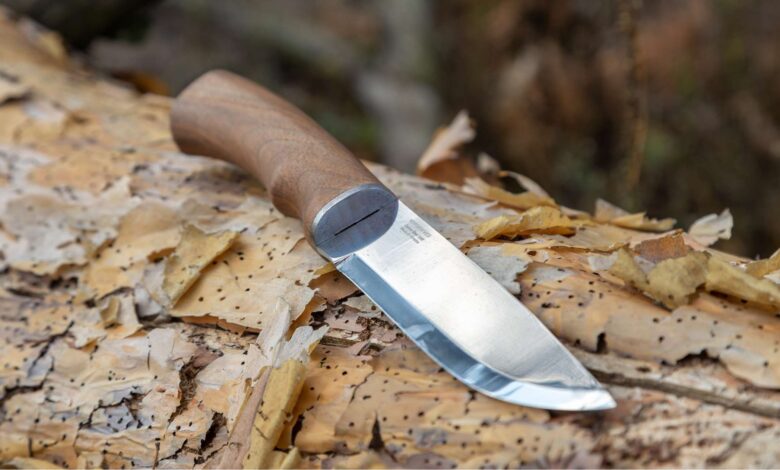
A kitchen knife is designed around more than just a sharp blade. Every part, from the steel and handle to the blade shape and weight distribution, affects how the knife performs. One of the most important features that often goes unnoticed is the bolster. Bolster knives include a thick section of metal where the blade connects to the handle, creating a smoother transition that can improve balance, grip, and overall handling.
For many years, professional chefs and home cooks have preferred bolster knives because of their traditional construction and comfortable feel. The bolster can provide additional support during cutting tasks, especially when preparing large amounts of food. However, modern knife designs have introduced lighter options without bolsters, creating a debate about which style is better.
The truth is that neither design is perfect for every user. A bolster knife may be ideal for someone who prefers stability and a heavier feel, while another cook may prefer a lightweight knife for faster and more precise movements. Understanding how bolsters work, their advantages, limitations, and different designs can help you choose the right knife for your kitchen.
What Is a Knife Bolster and How Does It Work?
A knife bolster is the thick metal section positioned between the blade and handle. It is commonly found on forged kitchen knives, especially traditional Western-style chef knives. The bolster connects the blade and handle while creating a smooth area where the user naturally places their grip during cutting.
The primary purpose of a bolster is to improve handling. By adding weight near the handle area, it can help balance the knife and create a more controlled cutting experience. This is especially useful during tasks that require repeated chopping, slicing, or rocking motions.
A bolster also acts as a protective barrier between the hand and the blade. Although proper knife technique is still essential, the raised section can help prevent fingers from sliding forward during use. This makes bolster knives appealing to beginners and cooks who prefer a more traditional knife design.
However, the bolster itself does not automatically make a knife better. Overall performance depends on several factors, including blade geometry, steel quality, handle comfort, and the user’s preferred cutting style.
Full Bolster, Half Bolster, and No Bolster Knives Explained
Not all bolster knives have the same design. The three main categories are full bolster, half bolster, and no bolster knives. Each type offers different benefits depending on how the knife will be used.
A full bolster extends from the handle area down to the heel of the blade. This design provides maximum finger protection and gives the knife a heavier, traditional feel. Full bolster knives are commonly associated with German-style chef knives because they are designed for durability and stability during everyday kitchen work.
The main disadvantage of a full bolster is sharpening. Because the bolster reaches the heel of the blade, it can make it difficult to sharpen the entire edge over time. After repeated sharpening, some users may notice that the heel area becomes harder to maintain.
A half bolster or semi-bolster design provides a middle ground. It keeps some of the support and balance of a traditional bolster while leaving more of the blade edge accessible. This makes sharpening easier and allows cooks to use more of the cutting surface.
No-bolster knives remove the extra metal section completely. These knives are often lighter and provide full access to the blade edge. Many Japanese-style kitchen knives use this approach because it supports precision cutting and easier maintenance.
Are Bolster Knives Better Than No-Bolster Knives?
The answer depends on what you expect from a knife. Bolster knives are not automatically better than no-bolster designs, but they offer specific advantages that many cooks appreciate.
For people who enjoy a heavier knife with strong balance, a bolster can provide a more comfortable experience. The added weight near the handle can make chopping tasks feel smoother, especially when using larger chef knives for vegetables, meat, and other ingredients.
No-bolster knives often appeal to users who prefer speed, agility, and precision. Without the additional metal section, the knife usually feels lighter and allows easier control for detailed cutting techniques.
Professional chefs use both styles depending on their needs. A chef who performs heavy preparation work may prefer the stability of a bolster knife, while a chef focused on delicate slicing may choose a lightweight Japanese-style knife.
The best choice is not determined by the presence of a bolster alone. A well-designed knife with quality steel, proper balance, and comfortable handling will usually perform better than a poorly made knife with any specific feature.
Benefits of Using Bolster Knives in the Kitchen
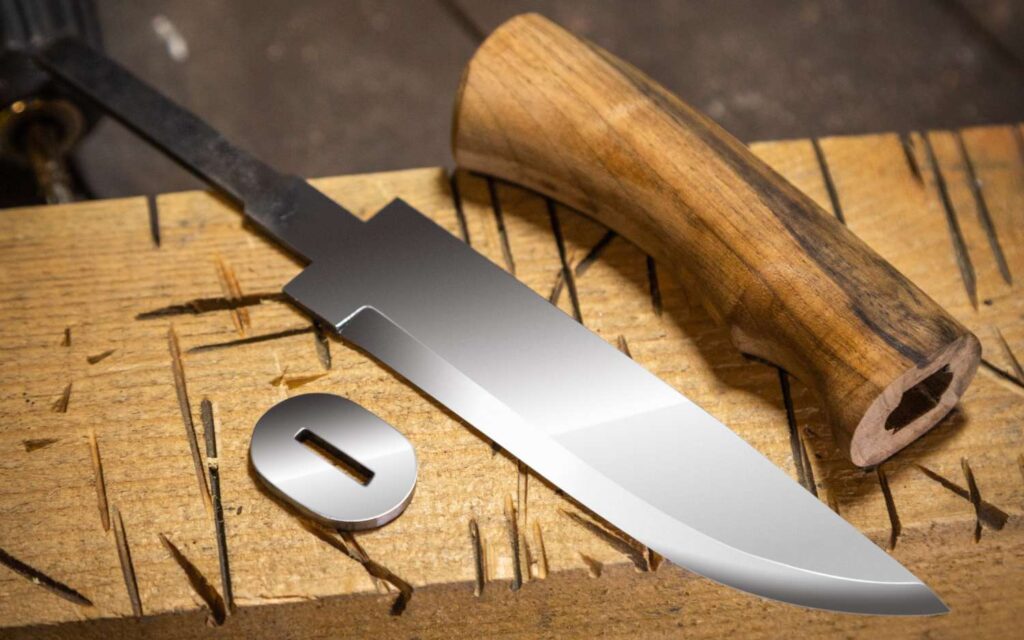
One of the biggest advantages of bolster knives is improved balance. A properly designed bolster helps distribute weight between the blade and handle, allowing the knife to feel more stable during cutting. This can reduce strain when preparing food for extended periods.
Another benefit is increased grip confidence. The transition between the blade and handle creates a natural stopping point for the hand. This can be especially helpful for people who are learning proper knife technique or prefer a secure grip.
Bolsters also contribute to traditional knife craftsmanship. Many forged knives feature carefully shaped bolsters that create a seamless connection between different parts of the knife. A well-made bolster should feel smooth, comfortable, and naturally connected to the rest of the knife.
However, the advantages depend on personal preference. Some cooks find heavier knives more comfortable, while others feel that extra weight reduces speed and flexibility. Understanding your own cooking style is important before choosing a bolster knife.
Materials, Construction, and Quality Factors of Bolster Knives
The performance of a bolster knife depends on much more than the bolster itself. The quality of the steel, manufacturing process, tang construction, and handle design all influence how the knife performs.
High-quality bolster knives are often made from stainless steel, high-carbon steel, or advanced steel alloys. Stainless steel is popular because it resists corrosion and requires less maintenance. High-carbon steel is valued for excellent edge retention and sharpening performance.
Forged knives usually have a stronger connection between the blade and bolster because they are shaped from a single piece of steel. This traditional manufacturing process often creates a heavier and more balanced knife.
When choosing a knife, examine how the bolster connects with the blade and handle. A quality bolster should have a smooth finish without rough edges or uncomfortable transitions. The knife should feel natural when held and should not create pressure points during use.
How to Choose the Right Bolster Knife for Your Needs
Choosing the best bolster knife depends on your cooking habits, experience level, and personal preference. Before buying, consider how you normally prepare food and what type of cutting movements you use most often.
If you frequently chop large amounts of vegetables, prepare meat, or prefer a traditional chef knife feel, a full bolster design may provide the stability you want. The added weight can make repetitive cutting tasks feel controlled and comfortable.
If you want easier sharpening while still keeping some balance benefits, a half bolster knife may be the better choice. It offers many advantages of traditional designs without some of the maintenance challenges.
When buying a bolster knife, consider factors such as:
- Blade steel quality
- Handle comfort
- Knife weight
- Balance point
- Forged or stamped construction
- Ease of sharpening
Popular brands known for quality chef knives include Wüsthof, Zwilling, Shun, Global, and Victorinox. German brands often produce traditional heavier knives with strong bolster designs, while Japanese brands usually focus on lighter knives designed for precision.
Sharpening and Maintenance Tips for Bolster Knives
Proper maintenance helps any knife perform better and last longer. Bolster knives should be cleaned by hand using warm water and mild soap. Avoid leaving them submerged in water or placing them in a dishwasher because heat and chemicals can damage the blade and handle materials.
Sharpening requires special attention, especially with full bolster knives. Since the bolster can block access to part of the blade edge, maintaining the heel area may become difficult after repeated sharpening sessions.
A half bolster design is often easier for home users because more of the blade can contact a sharpening stone. Regardless of the design, using proper sharpening techniques will help preserve the knife’s performance.
Storage is also important. A knife block, magnetic strip, or blade guard can protect the edge and prevent unnecessary damage. A well-maintained bolster knife can remain a reliable kitchen tool for many years.
Pros and Cons of Bolster Knives
Bolster knives offer several advantages, including improved balance, comfortable handling, traditional craftsmanship, and additional finger protection. These features make them popular among cooks who prefer a stable and durable kitchen tool.
The main disadvantages are extra weight and sharpening difficulty. Full bolster designs can make it harder to maintain the entire blade edge, especially for users who sharpen their knives frequently at home.
A bolster is not a guarantee of quality. A good knife requires a combination of excellent steel, proper construction, comfortable design, and suitable performance for the user’s needs.
For many cooks, the benefits of bolster knives make them worthwhile. However, people who prefer lightweight precision cutting may find no-bolster knives more suitable.
Conclusion
Bolster knives continue to be popular because they combine traditional craftsmanship with practical benefits. The bolster provides balance, improves grip confidence, and creates a strong connection between the blade and handle.
The right choice depends on your cooking style. Full bolster knives are ideal for users who prefer stability and a heavier feel, while half bolster designs provide easier maintenance. No-bolster knives may be better for cooks who want lightweight handling and maximum blade access.
Before buying a knife, consider how you cook, how often you sharpen your blades, and what type of control feels comfortable. A well-made bolster knife can become a dependable kitchen companion that provides years of reliable performance.
FAQs
What is the purpose of a knife bolster?
A knife bolster improves balance, supports the blade-handle connection, and provides additional protection during cutting.
Are bolster knives better than no-bolster knives?
Bolster knives offer more stability, while no-bolster knives are usually lighter and easier to sharpen.
What is the difference between a full bolster and half bolster knife?
A full bolster covers the heel of the blade, while a half bolster leaves more cutting edge available for sharpening.
Are bolster knives harder to sharpen?
Full bolster knives can be more difficult to sharpen because the bolster may limit access to the blade heel.
Do professional chefs use bolster knives?
Yes, many professional chefs use bolster knives, especially those who prefer traditional Western-style chef knives.
You May Also Read: Alternatives to Lua