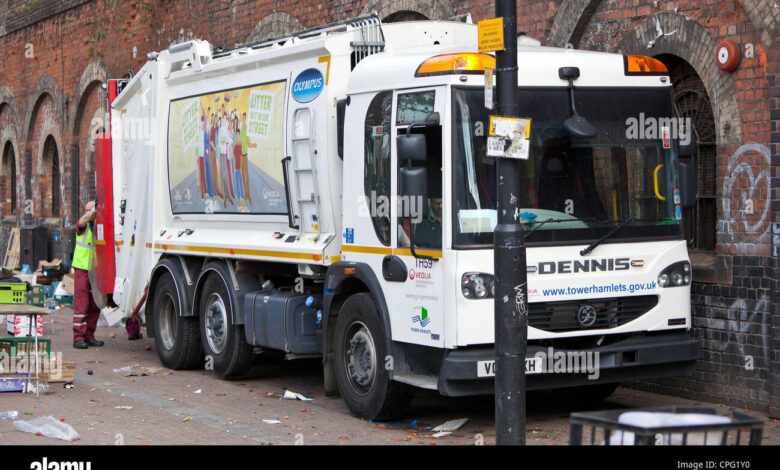
The British garbage truck is an unsung hero of urban sanitation, quietly ensuring that cities across the United Kingdom remain clean, safe, and efficient. While often overlooked, these vehicles play a critical role in waste management systems, providing a backbone for recycling programs, public health initiatives, and environmental sustainability. From bustling city streets to quiet suburban neighborhoods, the presence of these trucks ensures that waste is collected, sorted, and disposed of properly, preventing the spread of disease and contributing to a cleaner urban environment.
Over the years, the design, technology, and operations of British garbage trucks have evolved significantly. Modern trucks are no longer simple collection vehicles; they are sophisticated machines equipped with advanced hydraulic systems, safety mechanisms, and eco-friendly engines. This transformation reflects the growing emphasis on efficiency, sustainability, and public safety. Understanding the history, types, and functions of these vehicles is essential not only for waste management professionals but also for urban planners, environmentalists, and the general public who rely on clean cities.
This article provides a comprehensive guide to British garbage trucks. From their historical origins to the latest technological innovations, we will explore their types, design features, environmental impact, and operational challenges. By the end, readers will gain a deep appreciation for these essential vehicles and understand how they shape modern waste management in the UK. Whether you are a curious citizen or a professional in the industry, this guide is your ultimate resource.
History of British Garbage Trucks
Early Waste Collection Methods
Before the motorized era, waste collection in the UK was a labor-intensive process. Horse-drawn carts and manual street sweepers were the primary means of transporting household and industrial waste. Residents often relied on informal collection services or municipal workers who manually gathered rubbish, making waste disposal a slow and inefficient process. These early methods were prone to hygiene issues, as uncollected waste frequently led to public health problems, including the spread of diseases like cholera and typhoid.
Municipal authorities recognized the need for structured waste management. In major cities such as London, Edinburgh, and Manchester, regulations were introduced to ensure regular collection and proper disposal. These efforts laid the foundation for more systematic approaches to waste collection, paving the way for mechanical solutions. However, the limitations of early waste collection methods highlighted the urgent need for innovation. Cities required vehicles that could carry larger volumes of waste more efficiently while reducing manual labor and improving sanitary conditions.
The early development of garbage collection in Britain also reflected social priorities. Urban planners and city councils began to emphasize cleanliness and public health as essential components of a modern city. Waste management was no longer just a logistical issue—it became a symbol of civic responsibility. This historical context helps explain why the evolution of British garbage trucks has always been intertwined with societal needs and technological advancement.
Evolution of Garbage Trucks in the UK
The introduction of motorized garbage trucks in the early 20th century revolutionized waste collection. Early motorized trucks were simple adaptations of delivery trucks, equipped with large containers to carry refuse. These vehicles dramatically increased collection efficiency, enabling crews to service more households in a shorter period. By the mid-20th century, specialized designs emerged, incorporating hydraulic lifts and compaction mechanisms to optimize capacity.
During the post-war period, the UK saw significant urban growth and industrial expansion. Cities required larger, more robust vehicles capable of handling increased waste volumes. Manufacturers responded with durable trucks that could withstand heavy use while incorporating safety features for both drivers and the public. Iconic British models, such as the Dennis Eagle series, became synonymous with urban sanitation, showcasing a blend of reliability and innovation that set standards for waste management worldwide.
The evolution of British garbage trucks is also a story of continuous improvement. Technological innovations, such as automated loading arms, fuel-efficient engines, and GPS-based routing systems, have transformed these trucks into high-tech machines. Today, British garbage trucks are not only efficient and reliable but also environmentally conscious, reflecting modern priorities for sustainability and urban cleanliness.
Types of British Garbage Trucks
Front Loader Trucks
Front loader garbage trucks are primarily used for commercial and industrial waste collection. Equipped with a large hydraulic arm at the front, these trucks can lift and empty commercial dumpsters directly into the truck’s hopper. This design makes them highly efficient for businesses, shopping centers, and other commercial zones where large volumes of waste are generated.
Front loader trucks are favored for their speed and reliability. The hydraulic lifting mechanism reduces the need for manual labor, minimizing workplace injuries and streamlining the collection process. Additionally, these trucks often have compacting capabilities, allowing them to transport more waste in a single trip, reducing fuel consumption and emissions. Their versatility has made them a staple in modern British waste management fleets.
Rear Loader Trucks
Rear loader garbage trucks are among the most common waste collection vehicles in the UK. These trucks feature a rear opening where crews manually load household waste. Modern rear loaders often incorporate safety mechanisms and compaction systems to improve efficiency.
Rear loaders are ideal for residential neighborhoods, offering flexibility in navigating narrow streets and tight corners. The manual loading process allows workers to handle various types of waste, including bulky items, while compaction systems ensure maximum storage capacity. Despite newer technologies, rear loader trucks remain popular due to their cost-effectiveness and adaptability.
Side Loader Trucks
Side loader garbage trucks feature automated arms that lift bins from the side of the vehicle. This automation allows a single operator to handle waste collection, improving efficiency and reducing labor costs. Side loaders are especially useful for urban areas with high-density housing, where frequent collections are necessary.
These trucks combine speed, automation, and precision, minimizing human contact with waste while ensuring safe operations. Side loaders also support standardized bin systems, which promote recycling and waste segregation. Their growing popularity in the UK reflects the shift toward technology-driven waste management solutions.
Design and Technology Features
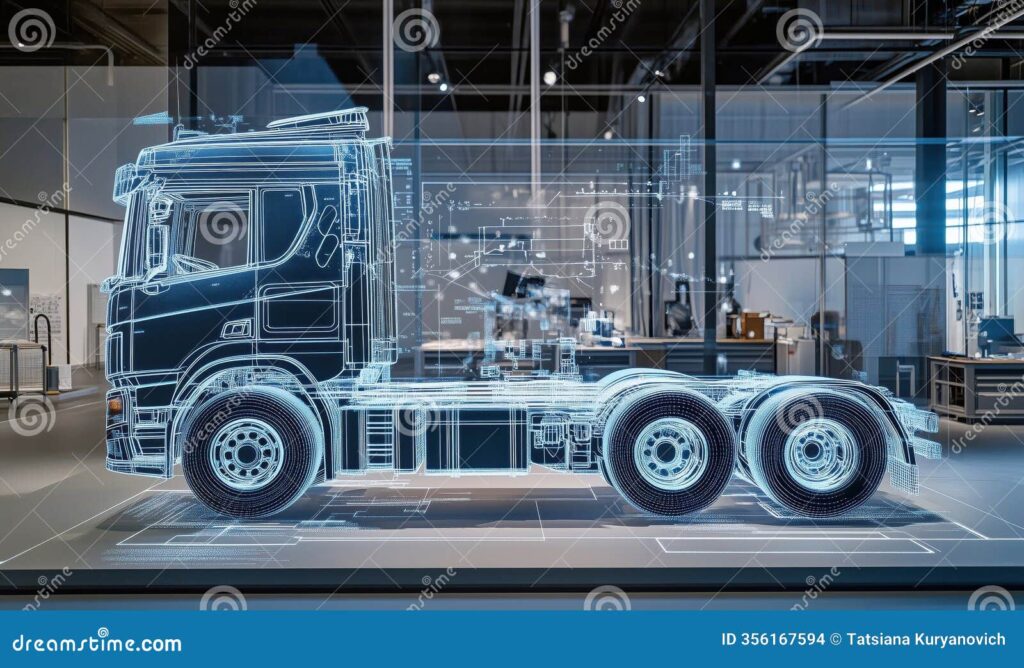
Engine Types and Fuel Efficiency
Modern British garbage trucks are equipped with various engine types, including diesel, hybrid, and fully electric models. Diesel engines remain common due to their power and durability, while hybrid and electric options are gaining traction as cities prioritize sustainability. Electric garbage trucks, in particular, offer zero emissions and quieter operation, making them ideal for urban environments where noise and air pollution are concerns.
Fuel efficiency is a critical factor in waste management operations. Advanced engine designs, lightweight materials, and optimized routes reduce fuel consumption, lowering operational costs and carbon footprints. As the UK pushes toward greener cities, eco-friendly garbage trucks are increasingly favored, reflecting a broader commitment to environmental responsibility.
Safety Features
Safety is a top priority for British garbage trucks. Modern designs incorporate features such as rear-view cameras, proximity sensors, and automatic braking systems to protect drivers, pedestrians, and cyclists. Crew members are trained to follow strict protocols, ensuring safe loading, unloading, and navigation in congested areas.
Regulatory standards in the UK mandate compliance with strict safety requirements. Trucks must pass regular inspections, and operators must adhere to operational guidelines to prevent accidents. These measures protect workers and the public while maintaining the efficiency of waste collection services.
Automation and Smart Technology
The integration of automation and smart technology has transformed British garbage trucks into high-tech machines. GPS tracking, route optimization software, and automated compaction systems allow for more efficient collection schedules, reducing fuel use and traffic congestion. Sensors detect bin fullness, enabling dynamic routing and minimizing unnecessary trips.
Smart technology also provides valuable data for waste management authorities, helping them monitor performance, identify inefficiencies, and plan future upgrades. These innovations represent a major leap forward from the simple motorized trucks of the early 20th century.
Role of British Garbage Trucks in Waste Management
Urban Sanitation and Public Health
Garbage trucks play a vital role in maintaining urban sanitation and public health. Timely collection prevents the accumulation of waste, which can attract pests and spread disease. By ensuring regular removal of household, commercial, and industrial waste, these trucks contribute to cleaner streets, safer neighborhoods, and improved quality of life.
Waste segregation is another crucial function. British garbage trucks often work in tandem with recycling programs, collecting paper, plastics, metals, and organic waste separately. This organized approach promotes recycling, reduces landfill use, and supports environmental sustainability initiatives across the UK.
Environmental Impact
The environmental impact of garbage trucks is a growing concern. Diesel-powered trucks emit pollutants such as nitrogen oxides and particulate matter, contributing to urban air pollution. To mitigate this, many municipalities are adopting electric and hybrid models, reducing emissions and promoting cleaner cities.
Recycling-focused garbage trucks also play a role in sustainability by enabling proper waste sorting and resource recovery. By minimizing landfill use and promoting circular economy practices, these vehicles are instrumental in reducing the environmental footprint of urban waste management.
Challenges and Innovations
Despite their importance, garbage trucks face several challenges. Narrow streets, heavy traffic, and urban congestion can slow collection schedules and increase operational costs. Additionally, the transition to electric fleets requires investment in charging infrastructure and workforce training.
Innovations such as automated collection, sensor-based routing, and smart fleet management systems are helping overcome these challenges. These advancements make garbage trucks more efficient, eco-friendly, and adaptable to the evolving needs of modern cities.
Maintenance and Operational Costs
Routine Maintenance Practices
Regular maintenance is essential to keep British garbage trucks operational. This includes engine inspections, hydraulic system checks, and body repairs. Preventive maintenance minimizes breakdowns, extends the lifespan of vehicles, and ensures safety for both operators and the public.
Maintenance schedules are often rigorous, reflecting the heavy-duty nature of waste collection. Crews are trained to identify issues early, such as leaks, worn-out parts, or tire damage, preventing costly repairs and operational delays.
Cost Analysis
The operational costs of garbage trucks include fuel, maintenance, labor, and vehicle depreciation. Diesel trucks remain cheaper upfront but may incur higher fuel and emission-related expenses. Electric and hybrid trucks require higher initial investment but offer long-term savings through lower energy costs and reduced environmental impact.
A cost-benefit analysis often guides municipal decisions, balancing efficiency, sustainability, and budget constraints. Investing in modern, eco-friendly trucks can reduce operational costs over time while supporting the UK’s environmental goals.
Conclusion
The British garbage truck is far more than a simple waste collection vehicle—it is a cornerstone of urban sanitation, environmental sustainability, and public health. From its humble beginnings as a horse-drawn cart to the sophisticated electric and automated trucks of today, the evolution of these vehicles reflects technological progress, societal needs, and environmental priorities.
Modern British garbage trucks combine efficiency, safety, and sustainability, playing a vital role in daily city life. Their design, technology, and operational strategies highlight the importance of innovation in waste management. As the UK continues to adopt greener solutions and smart technologies, garbage trucks will remain essential to creating cleaner, healthier, and more sustainable urban environments.
FAQs
What is a British garbage truck, and how is it different from other garbage trucks?
British garbage trucks are specialized vehicles used for collecting, transporting, and managing waste in the UK. They are designed to meet local regulations, urban layouts, and environmental standards.
How have British garbage trucks evolved over the years?
They have progressed from horse-drawn carts to motorized trucks, and now to automated, electric, and hybrid vehicles with advanced safety and routing technology.
What types of garbage trucks are commonly used in the UK?
Common types include front loaders, rear loaders, side loaders, and specialized trucks for recycling or hazardous waste collection.
Are there electric British garbage trucks available today?
Yes, several municipalities in the UK are adopting electric garbage trucks to reduce emissions, noise, and operational costs.
How much does it cost to operate a British garbage truck?
Operational costs depend on fuel, maintenance, labor, and vehicle type. Diesel trucks are cheaper upfront, while electric trucks offer long-term savings.
What safety features are standard in UK garbage trucks?
Standard features include rear-view cameras, proximity sensors, automatic braking systems, and safety protocols for operators and pedestrians.
How do garbage trucks contribute to recycling and environmental sustainability?
They enable proper waste segregation, efficient collection, and transportation to recycling facilities, reducing landfill use and promoting resource recovery.
You May Also Read: 00141 Phone Country Code
What are the biggest challenges faced by waste management services in the UK?
Challenges include narrow streets, urban congestion, vehicle maintenance, and transitioning to eco-friendly fleets.