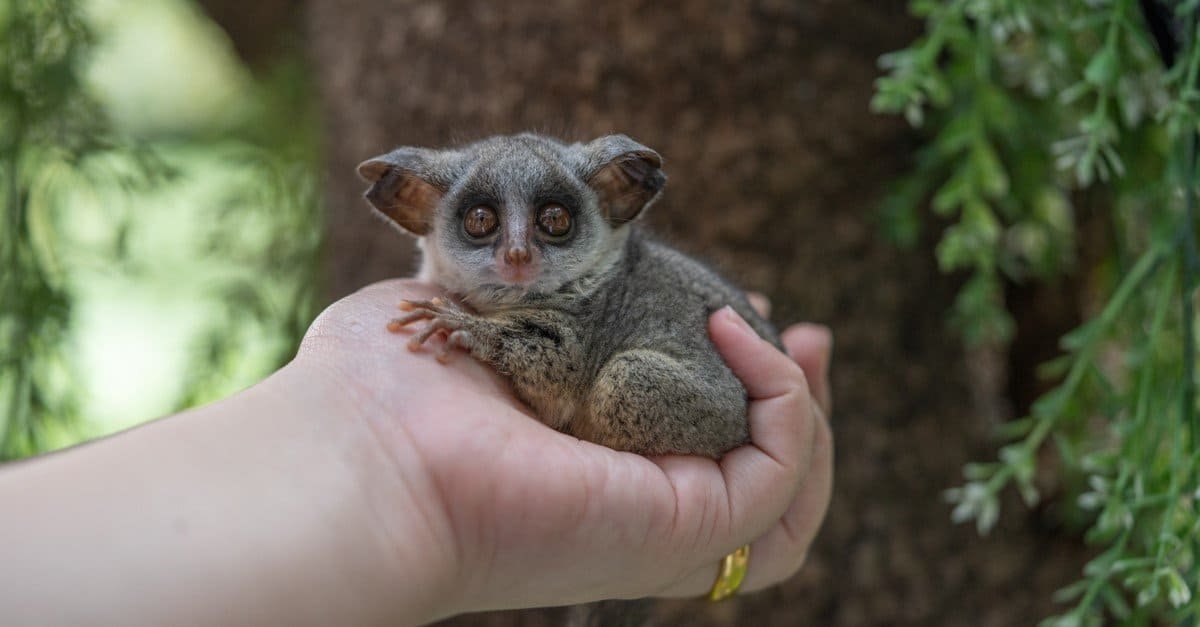
The bush baby is one of Africa’s most fascinating small primates, recognised for its enormous eyes, sensitive ears, soft fur and remarkable jumping ability. Also known as a galago, this nocturnal animal spends much of its active life moving through trees after sunset. Although small in appearance, the bush baby has a range of specialised physical and behavioural adaptations that help it find food, communicate and avoid danger in its natural surroundings.
Bush babies belong to a group of primates native to continental sub-Saharan Africa, where different species occupy forests, woodlands and other suitable habitats. Their unusual appearance often makes them a popular subject for wildlife photography and nature documentaries. However, these animals are much more than their cute appearance suggests. Understanding bush baby habitat, diet, behaviour and adaptations provides a fascinating insight into how small mammals survive in challenging environments.
What Is a Bush Baby?
The name bush baby refers to several species of small nocturnal primates commonly known as galagos. They belong to the family Galagidae and are related to other primates, although they have their own distinctive physical characteristics and behaviours. Bush babies are generally small, agile animals that have evolved to spend much of their time climbing, jumping and searching for food in trees and dense vegetation during the night.
The term bush baby is sometimes associated with the unusual sounds these animals make, as some of their calls can resemble the cries of a human baby. They are also known by the Afrikaans name nagapie, which is commonly translated as “little night monkey”. Despite these charming names, bush babies are genuine wild animals with specialised needs and natural behaviours that are very different from those of domesticated pets.
Bush Baby Appearance and Physical Features
One of the first things people notice about a bush baby is its remarkably large eyes. These eyes are particularly useful for a nocturnal lifestyle because they help the animal make better use of limited light after dark. Large ears are another distinctive feature, providing sensitive hearing that can help detect insects, other animals and sounds within the surrounding vegetation while the bush baby is moving through the night.
A bush baby also has strong hind legs, gripping hands and feet, and a long tail that helps with balance. These features allow it to navigate branches and make impressive leaps between trees. Its soft fur provides insulation and camouflage, while its compact body makes movement through dense vegetation easier. Together, these physical characteristics make the bush baby exceptionally well suited to an arboreal life.
Where Do Bush Babies Live?
Bush babies are naturally found in continental sub-Saharan Africa, although their precise distribution depends on the species. They can occupy different environments, including forests, woodland, savannah areas and regions containing suitable vegetation. The availability of trees and plants is particularly important because these animals depend on vegetation for movement, food and shelter throughout their daily and nightly routines.
During daylight hours, a bush baby usually needs a secure place to rest away from predators and environmental disturbance. Once darkness arrives, it becomes active and begins moving through its surroundings. Trees offer useful routes between feeding areas and hiding places, allowing these agile primates to remain above the ground for much of their active period.
What Does a Bush Baby Eat?
The diet of a bush baby can vary between species and locations, but these primates are generally flexible feeders. Their food can include insects, fruit, flowers, tree gums and other plant materials. Insect prey can provide valuable protein, while fruits and plant-based foods contribute energy and other nutrients. This varied feeding strategy allows bush babies to make use of resources that are available in their particular environment.
Food availability can change according to season, weather and habitat conditions. A bush baby therefore benefits from being able to exploit different food sources rather than relying on one item throughout the year. Its excellent hearing, eyesight and agility also help it locate prey and move between feeding areas. These feeding behaviours demonstrate how effectively galagos have adapted to life as active nocturnal foragers.
Bush Baby Behaviour and Daily Life
The bush baby is primarily nocturnal, meaning it is most active after sunset and during the hours of darkness. Once night begins, individuals may spend several hours travelling through trees, searching for food, investigating their surroundings and communicating with other animals. Their activity can involve frequent climbing and jumping, making them highly energetic despite their relatively small bodies.
Life in the trees requires excellent coordination and balance. Bush babies can move rapidly across branches and make powerful jumps when travelling between different parts of their habitat. Their gripping hands and feet help them maintain contact with branches, while their tails contribute to balance. This combination of strength, flexibility and agility allows a bush baby to navigate an environment that would be difficult for many ground-dwelling animals.
How Do Bush Babies Communicate?
Communication plays an important role in bush baby behaviour, and these animals are known for producing a range of distinctive sounds. Some calls can be surprisingly similar to a baby’s cry, which may explain part of the fascination surrounding their common name. Vocalisations can help individuals maintain contact, communicate warnings or interact with other members of their species in the darkness.
Bush babies can also rely on other forms of communication, including scent-related behaviours and body signals. Different species may have different vocal repertoires and social habits, so it is important not to assume that every galago behaves in exactly the same way. Their communication is particularly interesting because sound can be extremely useful in dense vegetation, where individuals may not always have a clear view of one another.
Amazing Bush Baby Adaptations
The bush baby has evolved an impressive collection of adaptations for nocturnal and arboreal survival. Its large eyes are particularly important for activity in low-light conditions, while its sensitive ears help it detect sounds from prey and other animals. These sensory abilities allow the animal to remain effective when visibility is limited, giving it an advantage during its night-time activities.
Its powerful hind legs are another remarkable adaptation. A bush baby can use these strong muscles to leap between branches and quickly change position when travelling or avoiding danger. Its hands and feet provide a secure grip, while its long tail assists with balance. These features work together rather than functioning independently, creating a highly specialised body designed for fast and controlled movement through trees.
Bush Baby Reproduction and Young
Reproduction varies between different bush baby species, and breeding patterns can be influenced by environmental conditions and food availability. Females provide important care for their young, which are born considerably less capable than adults. Young animals must gradually develop the coordination, strength and skills required to climb safely and navigate the complex environment around them.
A mother needs to protect her offspring while providing suitable opportunities for development. Sheltered resting locations can help reduce exposure to predators and environmental threats. As young bush babies grow, they become increasingly capable of following their mothers and exploring their surroundings. Eventually, they develop the skills needed to forage, climb and survive more independently within their natural habitat.
Bush Baby Lifespan and Natural Threats

The lifespan of a bush baby can vary depending on the species and whether the animal lives in the wild or under managed conditions. In natural habitats, these small primates face several challenges, including predators, competition for food and changes to their environment. Their nocturnal behaviour and ability to move rapidly through trees provide useful survival advantages, but they do not eliminate every threat.
Habitat loss can be particularly important because bush babies depend on suitable vegetation for food, shelter and movement. Deforestation and habitat fragmentation can reduce the amount of connected woodland available to wildlife. When natural areas become separated, animals may have fewer safe routes between feeding and resting locations. Protecting suitable habitats is therefore an important part of conserving these fascinating African primates.
Are Bush Babies Dangerous?
Bush babies are wild animals and should always be treated with respect. They do not normally seek out people as prey, but a frightened or threatened animal may defend itself. Their teeth, claws, speed and unpredictable movements mean that trying to catch or handle a wild bush baby can result in injury to either the animal or the person.
Their small size can create the misleading impression that they would be easy to handle like a domestic animal. In reality, a bush baby has specialised behaviours and instincts developed for life in the wild. The safest way to appreciate one is through responsible observation, photography or reputable wildlife experiences where the animals are given appropriate space.
Can You Keep a Bush Baby as a Pet?
The attractive appearance of a bush baby has led to interest in exotic pet ownership, but these animals have complex needs that can be difficult to meet in a normal household. They are nocturnal, highly active and naturally adapted to climbing, jumping, foraging and exploring. Providing an appropriate environment requires much more than simply supplying food and a secure enclosure.
Anyone considering exotic-animal ownership in the UK should investigate current legislation, licensing requirements and animal-welfare responsibilities before making any decision. Laws can vary according to the species and circumstances. More importantly, potential owners should consider whether they can genuinely provide the space, diet, enrichment and specialist care a wild primate requires throughout its life.
Bush Baby Compared with Other Small Primates
Bush babies are sometimes confused with lemurs because both can have large eyes, furry bodies and specialised adaptations for life among trees. However, they are different groups of primates and have different natural distributions. Bush babies are native to continental sub-Saharan Africa, while many familiar lemur species are associated with Madagascar and have evolved within that island’s distinctive ecosystems.
Tarsiers are another group that can look superficially similar because of their large eyes and small bodies. Sugar gliders may also be confused with bush babies because of their size and nocturnal lifestyle, but sugar gliders are marsupials rather than primates. Understanding these differences makes identifying wildlife more interesting and helps prevent common misconceptions about these unusual animals.
Bush Baby Conservation and Protection
Protecting natural habitat is essential for maintaining healthy populations of bush babies. Forests, woodland and suitable vegetation provide everything these animals need for feeding, resting and movement. When natural habitats are destroyed or divided into isolated areas, bush babies can lose access to important resources and safe travel routes, potentially placing additional pressure on local populations.
Responsible wildlife tourism can help people appreciate bush babies without disturbing their natural behaviour. Visitors should avoid chasing, touching or feeding wild animals and should follow guidance from reputable conservation organisations. Protecting habitats and discouraging irresponsible wildlife trade are also important. By valuing these animals as wild creatures rather than novelty pets, people can contribute to a more respectful approach to African wildlife conservation.
Fascinating Bush Baby Facts
The bush baby is a remarkable example of adaptation in a small mammal. Its enormous eyes, sensitive ears, strong hind legs, gripping feet and balancing tail all contribute to its ability to operate successfully after dark. Rather than relying on one special feature, it combines several adaptations to navigate trees, locate food and respond quickly to potential threats.
Another fascinating characteristic is its communication. The distinctive sounds produced by some galagos can be surprisingly expressive, while their active night-time lifestyle gives them a mysterious quality. Their ability to leap between branches also makes them particularly impressive to observe. Although they are small, bush babies occupy an important ecological role within the African environments where they naturally occur.
Conclusion
The bush baby is a fascinating African primate whose small body hides an impressive collection of survival adaptations. Its large eyes, sensitive ears, powerful hind legs, gripping feet and long tail make it exceptionally well suited to nocturnal life among trees and dense vegetation. Its varied diet and flexible behaviour further demonstrate how effectively galagos have adapted to their natural surroundings.
Learning about the bush baby also highlights the importance of protecting wild habitats. These animals may look adorable, but they have complex natural needs that are best understood and respected rather than reduced to their appearance. By supporting responsible wildlife observation, habitat conservation and ethical animal welfare, we can help ensure that these remarkable nocturnal primates continue to thrive in the African environments they call home.
Frequently Asked Questions
What is a bush baby?
A bush baby is a small nocturnal African primate, also known as a galago.
Where do bush babies live?
Bush babies live mainly in sub-Saharan Africa, including forests and woodlands.
What does a bush baby eat?
They commonly eat insects, fruit, flowers, tree gums and other plant materials.
Are bush babies dangerous?
They are wild animals and may defend themselves if frightened or handled.
Can you keep a bush baby as a pet?
Bush babies have complex needs, and UK owners must consider current laws and welfare requirements.
You May Also Read: Photosynthesis Equation