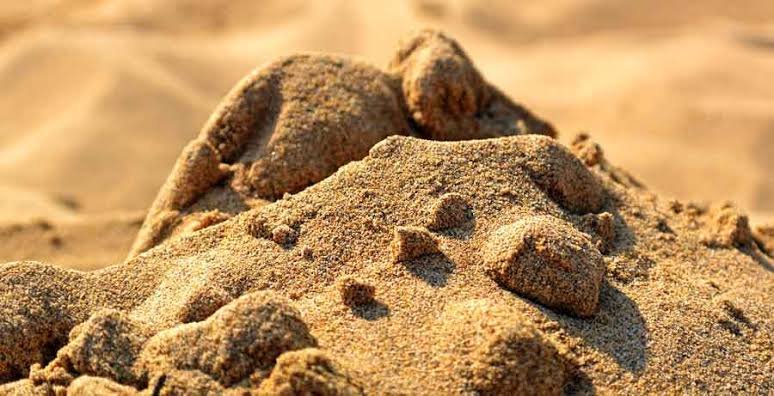
Sand is one of the most common natural materials on Earth and plays a major role in the environment, construction, manufacturing, and everyday life. It is made from tiny particles of minerals, rocks, and organic materials that have been broken down over thousands or millions of years. Although many people associate sand with beaches and deserts, it exists in many different locations, including rivers, lakes, coastal areas, and construction sites. Its appearance, texture, and colour depend on the materials from which it was created.
The importance of sand goes far beyond its natural beauty. It is a key resource used in building homes, roads, bridges, and other structures around the world. It is also used in glass production, water filtration, landscaping, and many industrial processes. Different types of sand have different properties, which means choosing the right type is important for achieving the best results in any project. Understanding sand helps people make better decisions when buying or using this valuable material.
How Is Sand Formed?
Sand is created through a slow natural process that begins when large rocks are broken down by weathering and erosion. Wind, rain, rivers, waves, and temperature changes gradually weaken rocks and turn them into smaller particles. These particles are carried by natural forces and collected in different environments, where they eventually become the sand we see today.
The formation process of sand can take thousands of years, and the location where it develops affects its final characteristics. River sand is often smoother because flowing water naturally shapes the particles over time. Beach sand may contain tiny pieces of shells and marine materials, while desert sand is shaped mainly by wind movement. These differences create many varieties with unique textures, colours, and uses.
Different Types of Sand
There are many types of sand found around the world, and each variety has different features based on its origin and composition. Natural sand includes river sand, beach sand, and desert sand, while manufactured sand is produced by crushing rocks to create a controlled material. The type of sand needed depends on the purpose, whether it is for construction, gardening, decoration, or industrial use.
River sand is one of the most widely used types because it has smooth and rounded particles that work well in construction. Beach sand is commonly used for recreation and coastal landscapes but may not always be suitable for building because of salt content. Desert sand usually has very fine and rounded grains, making it less effective for some construction purposes. Manufactured sand is becoming more popular as an alternative because it provides consistent quality and reduces pressure on natural sources.
Building Sand, Sharp Sand and Play Sand Explained
Building sand is one of the most commonly purchased varieties in the UK and is mainly used for construction projects. Its fine texture makes it ideal for mixing with cement to create mortar, which is used for bricklaying, blockwork, and plastering. Building sand creates a smooth mixture that is easy for builders to work with while providing reliable strength when properly prepared.
Sharp sand is different because it has larger, rougher, and more angular grains. This texture makes it suitable for applications where extra strength and stability are needed, such as concrete mixing, paving, and landscaping projects. Play sand is specially cleaned, processed, and designed for children’s play areas. It has a softer texture and is commonly used in sand pits, playgrounds, and outdoor family spaces where safety is important.
Common Uses of Sand
Sand is an essential material used in many industries around the world. One of its biggest uses is in construction, where it is combined with cement, water, and other materials to create concrete and mortar. Buildings, roads, foundations, and infrastructure projects all depend on suitable sand because it helps provide strength, stability, and durability.
Outside construction, sand has many other practical uses. Gardeners use sand to improve soil drainage and create better growing conditions for plants. Landscaping projects use different sand varieties for pathways, decorative areas, and outdoor designs. Sand is also used in glass manufacturing, electronics production, filtration systems, and other industrial applications, showing how important this natural material is in modern life.
Sand in Gardening and Landscaping
Sand is widely used in gardening and landscaping because it can improve soil structure and water movement. Heavy soils that hold too much moisture can benefit from the addition of suitable sand because it helps create better drainage and allows plant roots to receive more air. Gardeners often use horticultural sand for lawns, flower beds, and other outdoor planting areas.
In landscaping projects, sand is used for creating attractive outdoor spaces and improving the appearance of gardens. It can be used for pathways, patios, decorative features, and play areas. However, choosing the right type of sand is important because not every variety is suitable for plants or outdoor designs. The correct choice depends on the project requirements, soil conditions, and desired result.
Sand and Environmental Impact
Although sand is a natural resource, growing demand has created environmental challenges across the world. Large-scale sand extraction can damage river systems, affect wildlife habitats, and contribute to coastal erosion. Because natural sand takes a very long time to form, excessive removal can create problems for ecosystems and future supply.
Sustainable approaches are becoming increasingly important to reduce the environmental impact of sand use. These include using manufactured sand, recycling construction materials, and managing extraction responsibly. By choosing suitable alternatives and reducing unnecessary waste, industries and individuals can help protect natural environments while still benefiting from this essential resource.
How to Choose the Right Type of Sand
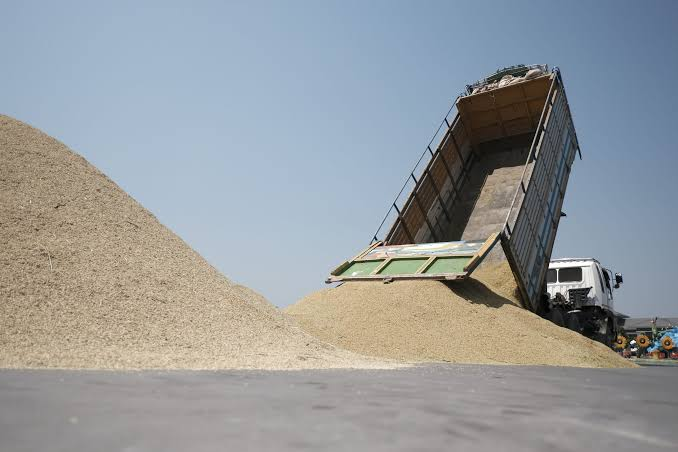
Selecting the right sand depends on what the material will be used for. Construction projects require sand with suitable strength and texture, while gardening, landscaping, and play areas need different qualities. Before buying sand, customers should consider factors such as grain size, cleanliness, colour, durability, and the specific requirements of their project.
For brickwork and mortar, building sand is usually the preferred option because of its fine texture. For concrete and paving, sharp sand may provide better results because of its rough grains. Play areas require specially processed play sand to ensure safety. Understanding these differences helps homeowners, builders, and gardeners choose the most suitable product.
Sand Prices and Buying Guide in the UK
Sand prices in the UK depend on several factors, including the type of sand, bag size, supplier, and delivery costs. Small bags are commonly purchased for home improvement projects, while bulk bags are often chosen for larger construction and landscaping work. Premium or specialist sand varieties may cost more because of additional processing and quality control.
Customers can purchase sand from DIY stores, builders’ merchants, garden centres, and online suppliers. Before making a purchase, it is important to check the product description carefully and ensure the sand matches the intended use. Buying the correct quantity and type can help avoid unnecessary costs and ensure the project is completed successfully.
Interesting Facts About Sand
Sand may appear simple, but it has many fascinating features that make it an important natural resource. Different locations produce sand with different colours and textures depending on the minerals and materials present. Some beaches have bright white sand made from shells, while others have darker sand created from volcanic rocks and minerals.
Another interesting fact is that sand plays an important role in modern technology. Silica-rich sand is used to produce glass, computer components, and many industrial products. Despite being found almost everywhere, high-quality sand is valuable and requires careful management to ensure it remains available for future generations.
Conclusion
Sand is much more than a material found on beaches and in deserts. It is a valuable resource that supports construction, gardening, manufacturing, and many parts of modern life. Different types of sand have different properties, making it important to understand their uses before choosing the right option for a project.
From building sand and sharp sand to play sand and landscaping varieties, every type serves a specific purpose. As global demand continues to increase, responsible use and sustainable practices will play an important role in protecting this essential natural resource for the future.
FAQs
What is sand made of?
Sand is made from small mineral particles, rock fragments, and sometimes organic materials such as shell pieces.
How is sand formed naturally?
Sand forms through weathering and erosion when rocks are slowly broken down by wind, water, and natural forces.
What are the main types of sand?
The main types include river sand, beach sand, desert sand, building sand, sharp sand, play sand, and manufactured sand.
What is building sand used for?
Building sand is mainly used for mortar, bricklaying, plastering, and general construction work.
What is the difference between sharp sand and building sand?
Sharp sand has rougher grains and is used for concrete and paving, while building sand has finer particles for mortar.
Is sand a renewable resource?
Sand forms naturally but very slowly, so it is considered a limited resource that should be used responsibly.
What type of sand is best for concrete?
Sharp sand is commonly used for concrete because its coarse grains help improve strength and stability.
Where can I buy sand in the UK?
Sand is available from DIY stores, builders’ merchants, garden centres, and online suppliers throughout the UK.
You May Also Read: Percy Pigs