Barre has become one of the most talked-about workout styles among people looking for a combination of strength, flexibility, balance, and low-impact movement. Inspired by ballet, Pilates, and yoga, barre uses controlled exercises, small pulses, and isometric holds to challenge muscles in a unique way. Unlike traditional gym workouts that often focus on heavy weights or intense cardio, barre focuses on precision, posture, and muscle endurance. This makes it appealing to beginners, busy professionals, and anyone who wants a workout that feels challenging without putting excessive pressure on the joints.
This Barre Review looks beyond the popularity of the workout and examines what people can realistically expect from it. While barre can help improve muscle tone, posture, and body awareness, it is important to understand that it is not a magic solution for instant transformation. Like any exercise program, results depend on consistency, nutrition, lifestyle choices, and personal goals. For people who enjoy controlled movements and want a workout that combines physical challenge with mindfulness, barre can be a valuable addition to their fitness routine.
What Is Barre and How Does It Work?
Barre is a fitness method that combines elements of ballet conditioning, Pilates, yoga, and strength training. The workout usually takes place near a ballet-style barre, although many home workouts only require a chair or stable surface for support. The exercises focus on small, controlled movements rather than large or fast motions. These movements are designed to keep muscles under tension for longer periods, creating a deep muscle burn that challenges endurance and stability.
The main principle behind barre is not lifting heavy weights but improving control over your body. Exercises often target smaller stabilizing muscles that support posture, balance, and movement quality. During a typical class, participants may perform repeated movements for the legs, glutes, arms, and core. Although the exercises may appear simple, maintaining proper form and completing multiple repetitions can make the workout surprisingly intense.
My Honest Barre Experience: What Beginners Should Expect
Many people are surprised during their first barre class because the workout looks easier than it actually feels. The movements are usually slow and controlled, but holding certain positions and repeating small pulses can quickly create muscle fatigue. Beginners often notice that their muscles start shaking, especially during lower-body exercises that target the thighs and glutes. This feeling is normal and happens because the muscles are working continuously without much rest.
A realistic Barre Review should also mention that barre is not about being flexible or having a dance background. Many beginners worry that they will not fit into a class because they cannot perform ballet movements, but most instructors provide modifications for different fitness levels. The biggest challenge is usually learning proper alignment, controlling movements, and building endurance. With regular practice, participants often become more comfortable and confident during classes.
Barre Results: What Changes Can You Expect?
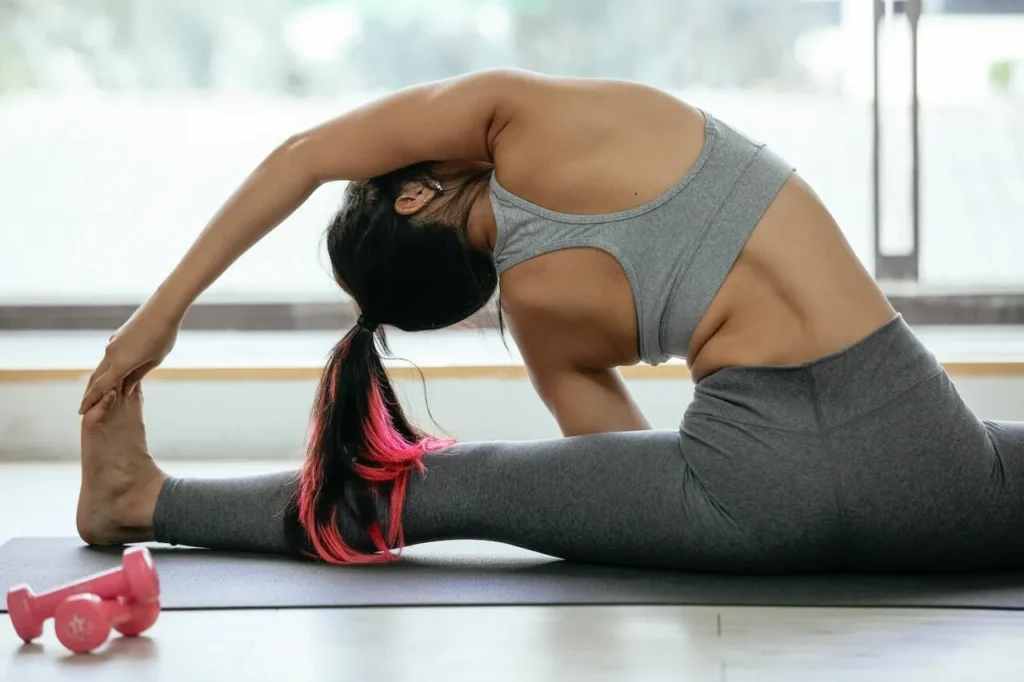
One of the most common reasons people search for a Barre Review is to understand whether the workout actually delivers results. Barre can help improve muscle endurance, flexibility, posture, and overall strength. Since the exercises focus on repeated movements and controlled resistance, many people notice that their muscles feel stronger and more engaged after consistent practice. Areas commonly targeted include the legs, glutes, arms, and core.
However, realistic expectations are important. Barre is not designed to create large muscles or replace heavy strength training completely. Instead, it focuses on creating a stronger, more balanced, and toned appearance. After several weeks of regular sessions, some people may notice improvements in posture, stability, and movement control. Long-term changes depend on workout frequency, diet, recovery, and overall lifestyle habits.
Benefits of Barre for Strength, Flexibility, and Wellness
One major advantage of barre is that it provides a full-body workout while remaining low impact. This means it can be suitable for people who want to exercise without excessive jumping or high stress on their joints. The combination of strength movements and stretching can support better flexibility, improved balance, and greater body awareness. Many participants appreciate that barre challenges muscles while still feeling gentle compared with some high-intensity workouts.
The benefits are not limited to physical changes. Barre also encourages concentration and mindfulness because participants need to focus on breathing, posture, and movement control. Many people find the repetitive nature of the exercises calming because it allows them to disconnect from daily distractions. This mind-body connection is one reason barre has become popular among people who want both fitness improvement and stress reduction.
Is Barre Good for Weight Loss?
A common question in any Barre Review is whether this workout can help with weight loss. Barre can contribute to weight management by increasing physical activity, building muscle endurance, and supporting a healthier lifestyle. However, it is important to understand that barre alone may not produce major weight loss results for everyone. Weight loss depends on several factors, including calorie intake, daily movement, metabolism, and consistency.
Barre works best when combined with a balanced approach that includes healthy eating and additional forms of exercise if needed. Adding walking, cardio, or strength training can create a more complete fitness plan. While barre may not burn calories at the same rate as some high-intensity workouts, many people continue practicing it because they enjoy it, and enjoying a workout often makes it easier to stay consistent.
Barre Before and After: Realistic Body Changes
When people look for barre before-and-after results, they often expect dramatic transformations. A more realistic approach is understanding the types of changes this workout can support. With consistent practice, people may experience improved posture, better muscle control, increased flexibility, and stronger supporting muscles. These changes can create a more balanced appearance and help people feel more confident in their movement.
The timeline for results varies from person to person. Some people may feel stronger after a few weeks, while visible changes in muscle definition usually require longer consistency. Barre should be viewed as a long-term fitness habit rather than a quick fix. The best results usually come from combining regular workouts with proper nutrition, sufficient sleep, and healthy daily habits.
Barre vs Pilates: Which Workout Is Better?
Barre and Pilates share many similarities because both focus on controlled movements, posture, and core engagement. However, they have different approaches. Pilates generally places more emphasis on core stability, controlled strength exercises, and rehabilitation-style movements. Barre, on the other hand, focuses more on muscle endurance through repeated movements, holds, and ballet-inspired exercises.
Choosing between barre and Pilates depends on personal goals. People who want improved posture, flexibility, and a challenging toning workout may enjoy barre. Those looking for deeper core strengthening and controlled rehabilitation exercises may prefer Pilates. Many fitness enthusiasts combine both because they complement each other and support overall movement quality.
Barre Pros and Cons: The Honest Truth
Every workout has advantages and limitations, and a balanced Barre Review should include both. The biggest benefits of barre are that it is beginner-friendly, low impact, and effective for improving strength and flexibility. It does not require advanced equipment, and many exercises can be performed at home. It is also a good option for people who enjoy structured classes and prefer workouts focused on control rather than competition.
On the other hand, barre may not be ideal for everyone. People who want maximum muscle growth, intense cardio conditioning, or athletic performance training may need additional workouts. Some beginners may also find the slow movements repetitive at first. Studio classes can also be expensive compared with home workout options. Understanding these limitations helps people decide whether barre matches their fitness goals.
Popular Barre Programs and Classes to Try
Several barre programs have become popular because they offer different approaches to the workout style. Pure Barre is known for its traditional barre format that focuses on small movements, muscle endurance, and precise technique. Barre3 combines barre with elements of functional training and yoga, creating a more balanced approach. The Bar Method focuses strongly on alignment, safety, and proper form, making it appealing to beginners.
Online barre programs have also become popular because they provide flexibility and convenience. People can choose shorter sessions, beginner programs, or advanced workouts depending on their experience level. The best program is usually the one that matches your schedule, fitness goals, and preferred workout environment. Consistency matters more than choosing the most expensive or popular option.
Is Barre Worth Trying?
After looking at the benefits, limitations, and realistic results, this Barre Review shows that barre can be a worthwhile workout for many people. It is especially suitable for those who want to improve strength, flexibility, posture, and body awareness without high-impact movements. The workout provides a unique combination of physical challenge and mindfulness that many people find enjoyable.
However, barre should be chosen based on personal goals. It may not replace every form of exercise, especially for people focused on heavy strength training or intense cardio performance. For beginners, people returning to fitness, or anyone searching for a sustainable workout routine, barre can be an effective and enjoyable option.
Conclusion
Barre is more than just a ballet-inspired fitness trend. It is a structured workout that combines strength, flexibility, balance, and controlled movement to create a complete fitness experience. This Barre Review shows that the workout can provide meaningful benefits when practiced consistently, including improved posture, stronger muscles, better coordination, and increased confidence.
While barre is not a shortcut to instant results, it can become a valuable part of a healthy lifestyle. People who enjoy low-impact workouts and want a challenging but mindful exercise routine may find barre worth adding to their weekly schedule. The best results come from consistency, realistic expectations, and combining barre with overall healthy habits.
Frequently Asked Questions
Is barre an effective workout?
Yes, barre can improve strength, flexibility, posture, and muscle endurance when practiced regularly.
How many times a week should you do barre?
Many people practice barre two to four times weekly depending on their goals and fitness level.
Can barre change your body shape?
Barre can improve muscle tone, posture, and body control, but results vary from person to person.
Is barre harder than Pilates?
Barre and Pilates are challenging in different ways, depending on your fitness goals and experience.
Do you need ballet experience for barre?
No, barre is designed for all fitness levels and does not require any dance background.
You May Also Read: No 7 Future Renew Reviews