
Cloud Pharmacy represents one of the most significant shifts in modern healthcare, blending medical services with advanced digital technology. Instead of relying solely on physical pharmacies, this system uses cloud-based platforms to store, manage, and process prescriptions electronically. It enables patients, doctors, and pharmacists to interact seamlessly through secure online systems, reducing delays and improving access to essential medicines. In a world where convenience and speed are becoming increasingly important, Cloud Pharmacy is emerging as a practical solution to long-standing healthcare challenges.
The rise of Cloud Pharmacy is closely linked to the digital transformation of healthcare systems worldwide. With growing demand for remote medical services, especially after the expansion of telemedicine, patients now expect faster and more flexible access to prescriptions. Cloud-based systems make this possible by allowing prescriptions to be sent directly from healthcare providers to pharmacies without paperwork or physical visits. This reduces human error, improves efficiency, and ensures that patients receive the correct medication on time.
At its core, Cloud Pharmacy is not just about technology—it is about improving patient care. By integrating medical records, prescription histories, and pharmacy services into one centralized digital platform, it creates a more connected healthcare ecosystem. This guide explores how Cloud’Pharmacy works, its benefits, challenges, and the future it holds in transforming the way we access medicines and healthcare services.
What Is Cloud Pharmacy?
Cloud Pharmacy is a digital healthcare system that uses cloud computing technology to manage prescriptions, medication records, and pharmacy operations online. Instead of storing patient information locally in a single pharmacy or clinic, data is securely stored on cloud servers, allowing authorized healthcare professionals to access it from anywhere. This ensures that prescriptions can be processed quickly and accurately, regardless of location.
In traditional pharmacy systems, patients typically need a physical prescription from a doctor, which they then take to a pharmacy. Cloud’Pharmacy eliminates much of this manual process. Doctors can send prescriptions electronically, pharmacists can review them in real time, and patients can receive their medication without unnecessary delays. This system improves efficiency while maintaining high standards of safety and accuracy.
Another important aspect of Cloud Pharmacy is its integration with digital healthcare platforms. Many systems are connected with electronic health records, allowing healthcare providers to see a patient’s medical history before prescribing medication. This reduces the risk of drug interactions and ensures better treatment decisions. Ultimately, Cloud Pharmacy represents a shift toward a more connected, data-driven healthcare system that prioritizes both convenience and patient safety.
How Cloud Pharmacy Works
Cloud Pharmacy operates through a seamless digital workflow that connects doctors, pharmacists, and patients in real time. The process begins when a doctor issues a prescription electronically. Instead of handing a paper slip to the patient, the prescription is uploaded to a secure cloud-based system. This system stores all relevant information, including medication type, dosage, and patient details, ensuring accuracy and accessibility.
Once the prescription is stored in the cloud, a licensed pharmacist reviews it for verification. This step is crucial for ensuring that the medication is appropriate and safe for the patient. After approval, the prescription is processed and prepared for fulfillment. Patients can then access their medication through home delivery services or collect it from a designated pharmacy location.
The entire system is designed to reduce delays and eliminate manual errors. Automated features such as refill reminders, prescription tracking, and dosage alerts make it easier for patients to manage long-term treatments. Additionally, cloud-based systems allow multiple healthcare providers to collaborate efficiently, improving overall patient care and coordination between medical professionals.
Key Features of Cloud Pharmacy Services
One of the most important features of Cloud Pharmacy is remote access. Patients can manage their prescriptions from anywhere using a smartphone, tablet, or computer. This is especially beneficial for individuals with chronic conditions who require regular medication refills. Instead of visiting a clinic repeatedly, they can handle everything online.
Another key feature is automation. Cloud Pharmacy systems often include automated prescription management tools that send reminders when medication is due for refill. This helps patients stay consistent with their treatment plans and reduces the risk of missed doses. Automation also minimizes human error, making the entire process more reliable.
Security is another critical component. Cloud Pharmacy platforms use advanced encryption technologies to protect patient data. This ensures that sensitive medical information is only accessible to authorized healthcare professionals. In addition, these systems comply with healthcare regulations, maintaining strict standards for privacy and data protection.
Benefits of Cloud Pharmacy
Cloud Pharmacy offers numerous benefits, starting with convenience. Patients no longer need to physically visit a pharmacy for every prescription, saving both time and effort. With online ordering and home delivery options, accessing medication becomes significantly easier, especially for elderly individuals or those living in remote areas.
Another major advantage is improved accuracy. Since prescriptions are processed digitally, the risk of human error is greatly reduced. Pharmacists can quickly verify dosages and check for potential drug interactions using integrated systems. This leads to safer and more effective treatment outcomes for patients.
Cost efficiency is also a notable benefit. By reducing paperwork, manual processing, and administrative tasks, Cloud Pharmacy systems lower operational costs for healthcare providers. These savings can sometimes be passed on to patients in the form of more affordable services. Additionally, faster processing times mean that patients receive their medication without unnecessary delays, improving overall healthcare efficiency.
Challenges and Limitations of Cloud Pharmacy
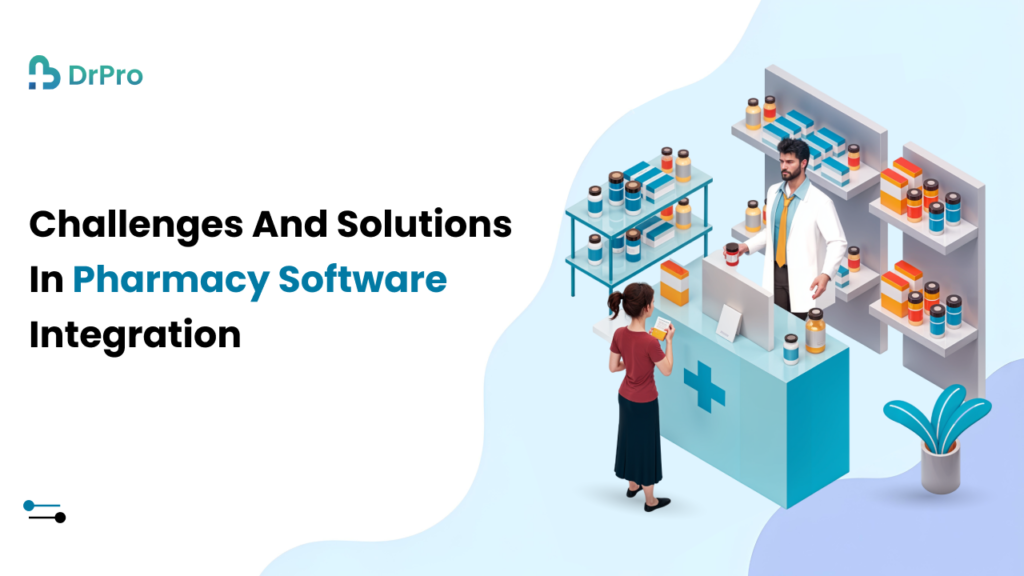
Despite its advantages, Cloud Pharmacy also faces certain challenges. One of the primary concerns is data security. Since sensitive medical information is stored online, there is always a risk of cyber threats or unauthorized access. Healthcare providers must invest heavily in encryption and security systems to protect patient data.
Another limitation is digital accessibility. Not all patients are comfortable using online platforms, especially elderly individuals or those without access to reliable internet. This digital divide can create barriers to adoption in certain regions. Additionally, technical issues or system outages can temporarily disrupt access to prescriptions and services.
Regulatory differences between countries also pose challenges. Healthcare systems are heavily regulated, and not all regions have standardized rules for digital pharmacy services. This can slow down global adoption and create inconsistencies in how Cloud Pharmacy operates across different markets.
Future of Cloud Pharmacy
The future of Cloud Pharmacy is closely tied to advancements in artificial intelligence and healthcare technology. AI-powered systems are expected to play a major role in analyzing patient data, predicting medication needs, and improving prescription accuracy. This will further enhance the efficiency and personalization of healthcare services.
Telemedicine integration is another key development. As remote consultations become more common, Cloud Pharmacy will work closely with virtual healthcare platforms to provide a fully digital treatment experience. Patients will be able to consult doctors, receive prescriptions, and order medication—all within a single ecosystem.
In the long term, Cloud Pharmacy is likely to become a standard part of global healthcare systems. With continued improvements in technology, security, and accessibility, it has the potential to transform how medicine is prescribed, managed, and delivered worldwide.
Conclusion
Cloud Pharmacy represents a major evolution in healthcare delivery, combining technology with medical expertise to create a more efficient and patient-friendly system. By digitizing prescriptions and centralizing medical data in secure cloud environments, it improves access, reduces errors, and enhances overall healthcare coordination.
While challenges such as data security and digital accessibility remain, the benefits of Cloud Pharmacy far outweigh its limitations. As healthcare continues to evolve, cloud-based systems will play an increasingly important role in shaping the future of medicine, making healthcare more connected, convenient, and reliable for everyone.
FAQs
What is a Cloud Pharmacy?
Cloud Pharmacy is a digital system that manages prescriptions and pharmacy services through cloud-based technology.
Is Cloud Pharmacy safe?
Yes, it uses encryption and secure systems to protect patient data and ensure privacy.
How do I order medicine from a Cloud Pharmacy?
You can receive prescriptions digitally and order medicines online through an approved platform.
Does Cloud Pharmacy replace traditional pharmacies?
No, it complements traditional pharmacies rather than replacing them.
Can I access Cloud Pharmacy services anywhere?
Yes, as long as you have internet access and authorization from a healthcare provider.
What are the main benefits of Cloud Pharmacy?
Convenience, accuracy, faster service, and improved healthcare access.
What is the future of Cloud Pharmacy?
It is expected to grow with AI integration and expanded telemedicine services.
You May Also Read: Tesco Pharmacy