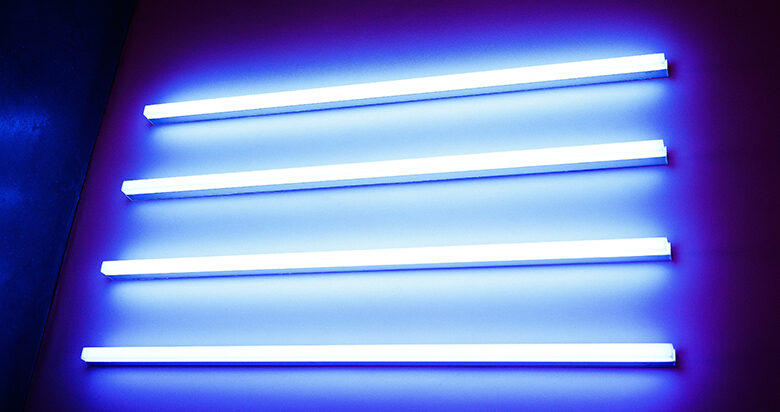
Fluorescent Tubes are a staple in energy-efficient lighting solutions worldwide. Unlike traditional incandescent bulbs, fluorescent tubes offer higher brightness while consuming less electricity, making them an ideal choice for homes, offices, industrial spaces, and commercial environments. Their long lifespan and versatility make them a popular choice for both large-scale installations and residential applications, offering a practical and cost-effective lighting solution.
Fluorescent tubes operate using an electric current that excites mercury vapor inside the tube, producing ultraviolet light. This UV light then interacts with the phosphor coating on the inside of the tube to emit visible light. The result is bright, uniform illumination that can cover larger areas compared to standard bulbs. Beyond functional lighting, fluorescent’tubes are also available in a range of color temperatures, allowing for warm, neutral, or cool lighting to suit different environments and purposes.
For businesses and homeowners alike, understanding fluorescent tubes is crucial for making informed lighting decisions. They not only save on energy bills but also reduce the frequency of replacements due to their long-lasting design. This article aims to provide a comprehensive guide on fluorescent tubes, including their types, uses, installation, maintenance, energy efficiency, and environmental impact. Readers will gain valuable insights to choose the right fluorescent tube for their specific lighting needs, ensuring efficient and safe illumination for any space.
Types of Fluorescent Tubes
Fluorescent tubes are available in several sizes and designs, each suited to specific applications. The most common tube types are T5, T8, and T12, with the “T” indicating the tube diameter in eighths of an inch. T12 tubes are the largest and oldest style, often found in older office buildings and warehouses. They are generally less energy-efficient compared to modern tubes. T8 tubes, slightly slimmer, offer a balance of brightness and energy savings, making them popular in commercial spaces and offices. T5 tubes are the newest and most efficient type, offering high luminous output in a smaller package.
Color temperature is another important consideration when selecting fluorescent’tubes. Warm white tubes (around 2700K–3000K) create a cozy, inviting atmosphere ideal for residential or hospitality spaces. Cool white (3500K–4100K) provides a neutral tone suitable for offices or classrooms, while daylight tubes (5000K–6500K) offer bright, clear illumination that mimics natural light, perfect for workspaces or areas requiring attention to detail. Choosing the right color temperature enhances both aesthetics and functionality of the space.
Specialty fluorescent tubes, including compact fluorescent tubes (CFLs) and blacklight or UV tubes, serve specific purposes. CFLs provide energy-efficient alternatives to standard bulbs in smaller fixtures, while UV or blacklight tubes are used in entertainment, scientific, or industrial applications. Understanding these types ensures the correct tube is selected for each lighting requirement, maximizing efficiency, brightness, and suitability.
Applications and Uses of Fluorescent Tubes
Fluorescent tubes are remarkably versatile, finding applications in residential, commercial, and industrial settings. In homes, they are commonly used in kitchens, garages, basements, and utility areas where bright, consistent lighting is essential. Their energy efficiency and long lifespan make them particularly suitable for spaces where lights remain on for extended periods. Fluorescent’tubes also provide uniform illumination, reducing shadows in work areas such as workshops or craft spaces.
In commercial settings, fluorescent tubes are standard in offices, conference rooms, classrooms, and retail spaces. Their ability to provide bright and even lighting enhances productivity, reduces eye strain, and creates a professional atmosphere. Large offices benefit from continuous fluorescent fixtures that can illuminate broad areas without the need for multiple individual lights. Retail environments utilize fluorescent tubes to enhance product visibility, creating attractive displays that appeal to customers.
Industrial applications are another major use of fluorescent tubes. Factories, warehouses, and production facilities rely on these tubes to illuminate large areas efficiently. The energy savings associated with fluorescent lighting is particularly significant in industrial environments, where lights may be in use for long hours daily. Outdoor and specialized applications, such as streetlights, signage, and UV-sensitive workspaces, also make use of fluorescent’tubes. Their versatility and adaptability make them a reliable choice for a wide range of lighting scenarios.
Installation and Maintenance
Installing fluorescent tubes requires careful attention to ensure safety and optimal performance. First, ensure the power is switched off before handling the fixture. Fluorescent tubes are typically installed into sockets or clips designed to hold the tube securely in place. Depending on the fixture, some tubes rotate into position, while others slide into slots. Using the correct tube type and size for the fixture is critical to prevent electrical issues or damage.
Ballasts are essential components in fluorescent lighting systems, controlling the current flow to the tube. Magnetic ballasts are older and can cause flickering or buzzing, whereas modern electronic ballasts provide more stable illumination, higher energy efficiency, and longer tube lifespan. Regular maintenance includes checking and replacing ballasts as needed to maintain consistent lighting.
Common issues with fluorescent tubes include flickering, dimming, or failure to light. Flickering is often caused by aging tubes, incompatible ballasts, or voltage fluctuations, while dimming may indicate the need for replacement or ballast issues. Cleaning fluorescent’tubes and fixtures regularly helps maintain brightness and prevent dust accumulation, which can reduce light output. Following proper installation and maintenance procedures ensures long-lasting, safe, and efficient lighting.
Energy Efficiency and Environmental Impact
Fluorescent tubes are significantly more energy-efficient than traditional incandescent bulbs, using up to 75% less energy while providing the same level of brightness. Their long lifespan, often ranging from 7,000 to 20,000 hours depending on type, reduces the frequency of replacements, further contributing to energy savings and reduced waste. Businesses and homeowners can see noticeable reductions in electricity costs over time by switching to fluorescent lighting.
However, fluorescent tubes contain small amounts of mercury, a toxic substance that requires careful disposal. Recycling fluorescent tubes is essential to prevent environmental contamination. Many local councils and recycling centers offer safe drop-off points for fluorescent tubes, ensuring responsible handling and compliance with environmental regulations. Transitioning to LED tubes is another eco-friendly alternative, providing similar brightness with lower energy consumption and no mercury content.
Despite these considerations, fluorescent tubes remain a cost-effective and practical solution for many applications. Their combination of energy efficiency, long life, and brightness makes them a strong choice for anyone seeking reliable and sustainable lighting solutions.
Advantages and Disadvantages
Fluorescent tubes offer numerous advantages, including high energy efficiency, bright and uniform illumination, and versatility for various applications. They are available in multiple sizes, wattages, and color temperatures, allowing for customization based on space requirements and desired ambiance. Their long lifespan reduces the need for frequent replacements, making them a practical option for homes, offices, and industrial settings.
However, there are disadvantages. Fluorescent tubes are fragile and can break easily, releasing small amounts of mercury if damaged. Disposal requires care to prevent environmental hazards. Some older tubes with magnetic ballasts may flicker or make noise, and they take a few seconds to reach full brightness in colder environments. Compared to LED alternatives, fluorescent tubes are less energy-efficient and contain hazardous materials, which may influence long-term adoption.
Considering their advantages and disadvantages allows consumers and businesses to make informed choices about lighting solutions. While fluorescent tubes remain effective and economical, understanding their limitations helps ensure safe, efficient, and appropriate usage in any setting.
Conclusion
Fluorescent tubes are an essential component of modern lighting solutions, providing energy-efficient, bright, and versatile illumination for residential, commercial, and industrial spaces. Understanding the different types, sizes, color temperatures, and applications allows users to select the right tube for their needs, ensuring maximum efficiency and effectiveness. Proper installation, maintenance, and safe disposal practices further enhance their benefits while minimizing potential drawbacks.
Whether installed in offices, warehouses, kitchens, or outdoor signage, fluorescent tubes continue to play a vital role in lighting technology. By balancing cost, energy efficiency, and performance, these tubes remain a practical and reliable choice for a wide range of environments. Users can achieve optimal lighting, reduce energy consumption, and contribute to sustainable practices by making informed decisions regarding fluorescent tube selection and usage.
Frequently Asked Questions (FAQs)
What are the different types of fluorescent tubes?
Common types include T5, T8, T12, compact fluorescent tubes (CFLs), and specialty tubes like UV or blacklight variants.
How long do fluorescent tubes typically last?
Depending on type and usage, fluorescent tubes can last from 7,000 to 20,000 hours.
Can fluorescent tubes be replaced with LED tubes?
Yes, LED tubes are an energy-efficient and mercury-free alternative compatible with many existing fixtures.
What are the common causes of flickering in fluorescent lighting?
Flickering can result from aging tubes, incompatible or failing ballasts, and voltage fluctuations.
How should fluorescent tubes be disposed of safely?
They should be taken to designated recycling centers or municipal collection points to safely manage mercury content.
Are fluorescent tubes energy-efficient compared to LED or incandescent bulbs?
Fluorescent tubes are significantly more efficient than incandescent bulbs but less efficient than modern LED alternatives.
You May Also Read: British Red Cross Jobs