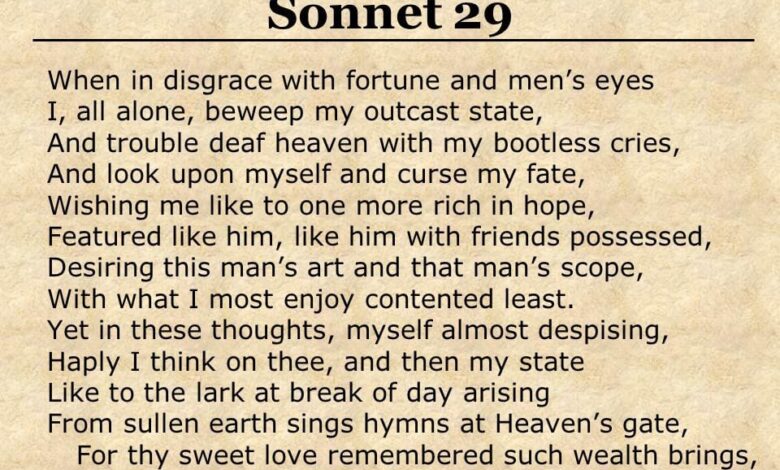
Sonnet 29 is one of William Shakespeare’s most emotionally powerful and frequently studied poems. It stands out within his sonnet sequence because of its deeply personal tone and universal emotional appeal. The poem captures a moment of intense self-doubt and despair, only to transform that negativity into hope and emotional richness through the thought of love. For students, teachers, and literature enthusiasts alike, Sonnet 29 offers a relatable portrait of human insecurity and inner renewal.
What makes Sonnet 29 particularly compelling is its honesty. Shakespeare does not idealize the speaker’s emotional state; instead, he exposes feelings of envy, loneliness, and social inadequacy. These emotions are not confined to the Elizabethan era—they remain relevant today. Readers across centuries recognize themselves in the speaker’s sense of exclusion and longing, which is why this poem continues to resonate so strongly in modern literary studies.
Historical and Literary Context of Sonnet 29
Sonnet 29 was written during the late 16th century, a time when social status, patronage, and public reputation played a crucial role in personal success. Shakespeare himself experienced periods of uncertainty and professional anxiety, and many scholars believe these feelings inform the emotional core of the poem. The speaker’s sense of being “in disgrace with fortune and men’s eyes” reflects a society where honor and recognition were closely tied to social standing.
Within Shakespeare’s larger sonnet sequence, Sonnet 29 belongs to a group often associated with the “Fair Youth” poems. These sonnets explore admiration, affection, and emotional dependence on a beloved figure. Understanding this context helps readers see the poem not just as an isolated expression of sadness, but as part of a broader meditation on love, identity, and self-worth. The poem’s movement from despair to joy mirrors the emotional complexity that defines much of Shakespeare’s work.
Summary of Sonnet 29
Sonnet 29 begins with the speaker feeling deeply unhappy and alienated. He believes himself abandoned by luck and rejected by society, and he laments his own shortcomings. The speaker envies others for their talents, social connections, and perceived happiness. This comparison intensifies his misery, making him feel isolated and unworthy. The opening lines establish a bleak emotional landscape dominated by self-pity and frustration.
The poem takes a decisive turn when the speaker thinks of the person he loves. This thought transforms his emotional state entirely. Suddenly, his despair lifts, and he feels spiritually enriched. By the final lines, the speaker declares that the joy he gains from love is so great that he would not trade places with kings. This dramatic shift underscores the poem’s central message: emotional fulfillment and love outweigh material success and social recognition.
Major Themes in Sonnet 29
One of the most prominent themes in Sonnet 29 is despair rooted in self-comparison. The speaker measures himself against others and finds himself lacking, which leads to feelings of worthlessness. Shakespeare highlights how destructive constant comparison can be, a theme that remains especially relevant in today’s social-media-driven world.
Another central theme is the redemptive power of love. Love, in the poem, acts as a source of emotional salvation. When the speaker remembers the beloved, his entire outlook changes. Shakespeare suggests that love provides inner wealth—something far more valuable than status, talent, or material success. The poem ultimately argues that true richness comes from emotional connection rather than external achievement.
Tone and Mood Analysis
The tone of Sonnet 29 shifts dramatically over the course of the poem. In the opening quatrains, the tone is bitter, resentful, and sorrowful. Words associated with disgrace, envy, and isolation create a heavy mood that reflects the speaker’s inner turmoil. Shakespeare deliberately immerses the reader in this negativity to make the emotional transformation more powerful.
As the poem progresses, the mood begins to lift. The moment the speaker thinks of love, the tone becomes hopeful and uplifting. By the final couplet, the poem radiates joy and gratitude. This shift in tone is not subtle—it is intentional and central to the poem’s impact. Shakespeare uses emotional contrast to show how profoundly love can alter one’s perception of life.
Poetic Structure and Form
Sonnet 29 follows the traditional Shakespearean sonnet structure: fourteen lines written in iambic pentameter with the rhyme scheme ABAB CDCD EFEF GG. This structure provides a sense of order that contrasts with the emotional chaos described in the opening lines. The discipline of the form mirrors the eventual emotional resolution of the speaker.
The final rhyming couplet plays a crucial role in delivering the poem’s message. It acts as a conclusion where the emotional transformation is fully realized. Shakespeare often uses the closing couplet to offer insight or resolution, and in Sonnet 29, it reinforces the idea that love provides a form of wealth greater than kingship. The structure, therefore, supports both the emotional and philosophical journey of the poem.
Language, Imagery, and Literary Devices
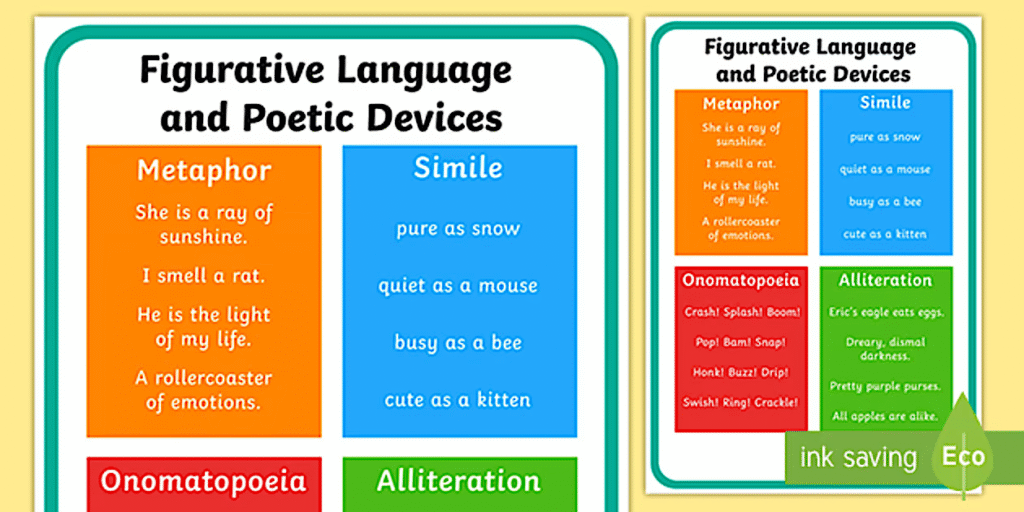
Shakespeare’s language in Sonnet 29 is rich with imagery and metaphor. One of the most famous images is that of the lark rising at dawn. This image symbolizes spiritual elevation and joy, sharply contrasting with the darkness of the opening lines. The metaphor visually represents the speaker’s emotional ascent from despair to happiness.
The poem also makes effective use of contrast. Words associated with poverty, disgrace, and isolation are set against images of wealth, heaven, and abundance. This contrast reinforces the poem’s central argument: emotional richness matters more than material or social success. Shakespeare’s careful choice of diction ensures that the emotional shift feels natural, powerful, and deeply human.
Importance of Sonnet 29 in Literature Studies
Sonnet 29 remains a staple in literature curricula because it captures universal emotions in a concise and elegant form. Students often find it accessible because its emotional journey mirrors real-life experiences of insecurity and reassurance. The poem serves as an excellent introduction to Shakespeare’s ability to blend personal feeling with philosophical insight.
Beyond the classroom, Sonnet 29 continues to resonate with modern readers. Its exploration of self-worth, comparison, and emotional fulfillment feels especially relevant in contemporary society. The poem reminds readers that inner happiness often comes from personal connections rather than external validation—a lesson that transcends time and culture.
Conclusion
Sonnet 29 is a powerful meditation on despair, love, and emotional transformation. Through vivid imagery, structured form, and an unforgettable shift in tone, Shakespeare illustrates how love can rescue the human spirit from self-doubt and loneliness. The poem’s enduring popularity lies in its honesty and emotional clarity.
Ultimately, Sonnet 29 teaches that true wealth is not measured by status or success, but by the depth of one’s emotional connections. This timeless message ensures that the poem continues to speak to readers centuries after it was written, securing its place as one of Shakespeare’s most beloved sonnets.
Frequently Asked Questions (FAQs)
What is Sonnet 29 mainly about?
It explores despair caused by self-comparison and the redemptive power of love.
Why does the mood change in Sonnet 29?
The mood shifts when the speaker thinks of the beloved, transforming sorrow into joy.
What is the main theme of Sonnet 29?
The central theme is that love provides emotional wealth greater than social or material success.
Why is Sonnet 29 important today?
Its themes of insecurity, comparison, and emotional fulfillment remain highly relevant.
What literary devices stand out in Sonnet 29?
Imagery, contrast, metaphor, and tonal shift are the most notable devices.
How does Sonnet 29 end on a positive note?
It concludes by declaring that love makes the speaker richer than kings.
You May Also Read: The Tudor Pass at Great Fosters