The Honda e is a compact electric vehicle designed to redefine urban mobility. As one of Honda’s first fully electric production cars aimed at city drivers, it combines retro-inspired design, advanced technology, and practical functionality. Its small footprint makes it ideal for navigating tight city streets, while its modern styling and electric performance make it a standout in the growing EV market.
Unlike traditional petrol or diesel cars, the Honda e offers a zero-emissions driving experience, making it not only environmentally friendly but also appealing to eco-conscious urban commuters. With a range suitable for daily city driving and cutting-edge connectivity features, the Honda e addresses the needs of modern drivers who value technology, convenience, and sustainability.
One of the Honda e’s key selling points is its ability to combine practicality with style. The exterior design draws inspiration from classic Honda models, giving it a unique, friendly, and approachable appearance, while the interior is loaded with digital features designed for a tech-savvy audience. Beyond aesthetics, Honda has equipped the car with safety and driver-assistance systems, ensuring a secure driving experience for both experienced EV owners and newcomers to electric mobility.
The Honda e represents Honda’s commitment to urban electrification. It is a statement of innovation that proves an electric city car can be both fun to drive and functional. As cities continue to adopt low-emission zones and encourage sustainable transportation, the Honda’e positions itself as a modern solution for urban mobility while maintaining Honda’s reputation for reliability and engineering excellence.
History and Development of the Honda e
The Honda e project emerged from Honda’s vision of creating a compact, fully electric car designed specifically for city environments. The concept was first unveiled in 2017, showcasing a blend of futuristic technology and retro design cues. Honda’s goal was to make electric mobility accessible, stylish, and practical, addressing the unique challenges of urban driving while staying true to the brand’s commitment to quality engineering.
From concept to production, the Honda e underwent several key stages of development. Engineers focused on maximizing interior space within a compact exterior, integrating an advanced electric powertrain, and ensuring a seamless digital experience. The production model, officially released in 2020, reflected Honda’s attention to detail, incorporating features that prioritize driver comfort, connectivity, and efficiency.
The development of the Honda e also marked a strategic move in Honda’s broader electrification plan. By launching a fully electric vehicle targeted at urban drivers, Honda aimed to position itself competitively in the European EV market and appeal to environmentally conscious consumers. The car’s compact size, retro-inspired design, and cutting-edge technology made it a unique offering in the city EV segment, differentiating it from other small electric cars.
Today, the Honda e stands as a testament to Honda’s innovation. It combines decades of automotive expertise with forward-looking electric mobility solutions, offering drivers an engaging and practical urban EV. The project reflects a growing trend toward environmentally friendly, tech-focused vehicles designed to meet the evolving needs of modern city dwellers.
Honda e Design and Exterior Styling
The Honda e is a visually striking car, designed to turn heads while remaining practical for urban life. Its compact dimensions make parking and maneuvering in tight spaces effortless, while the exterior styling draws inspiration from Honda’s retro models, creating a friendly yet modern aesthetic. Rounded edges, smooth body lines, and minimalist detailing give the Honda e a distinctive and approachable character.
Key design elements include circular LED headlights, flush door handles, and side cameras replacing traditional mirrors in higher trims. These features not only enhance the car’s futuristic appeal but also improve aerodynamics, contributing to efficiency and range. The Honda’e wide stance and short overhangs provide both stability on the road and a sense of presence in city traffic.
Honda offers a variety of exterior colors, ranging from bold hues to understated metallics, allowing buyers to personalize their vehicle. Combined with optional black trim or contrasting roof colors, these customisation options enable drivers to create a Honda e that reflects their style. The design is not just aesthetic but also functional; every curve and vent is carefully engineered to optimize airflow and efficiency.
Despite its small size, the Honda e’s exterior gives an impression of robustness and quality. The vehicle’s attention to detail, from wheel design to rear light configuration, reflects Honda’s commitment to craftsmanship. For city dwellers seeking a stylish, eco-friendly, and practical electric car, the Honda e delivers a perfect balance of design, technology, and everyday usability.
Honda e Interior and Technology
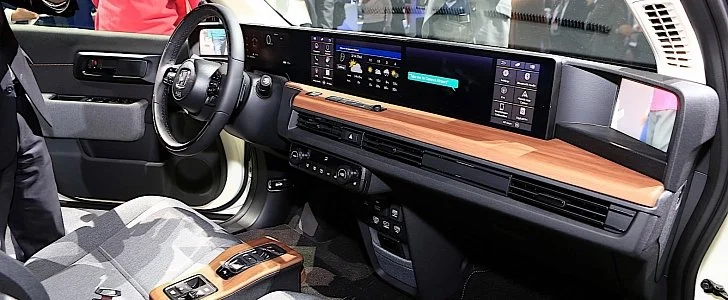
Step inside the Honda e, and drivers are greeted with a cabin that emphasizes simplicity, digital integration, and comfort. The interior is characterized by a wide digital dashboard that spans the length of the cockpit, combining infotainment, driver information, and connectivity features in a seamless display. This futuristic design gives the cabin a high-tech yet minimalist feel, reinforcing the car’s modern personality.
Seating is designed for comfort during daily commutes, with supportive seats that accommodate longer drives while maintaining an upright posture for city driving. Materials are of high quality, blending soft-touch surfaces with durable fabrics, ensuring both a premium feel and practical usability. The cabin layout prioritizes space efficiency, making the small city car feel surprisingly roomy.
Technology is at the heart of the Honda e’s interior. The infotainment system integrates smartphone connectivity, navigation, and media controls, all accessible via touchscreen or voice commands. Advanced driver assistance systems such as adaptive cruise control, collision mitigation, and lane-keeping assist provide safety and convenience, making urban driving stress-free. Digital side mirrors (on certain trims) enhance visibility while adding to the car’s futuristic appeal.
Beyond functionality, the Honda e cabin emphasizes user experience. Intuitive interfaces, ambient lighting, and storage solutions cater to modern urban drivers. Whether for daily commuting, weekend trips, or city errands, the interior combines practicality, comfort, and technology, ensuring that every drive feels both enjoyable and connected.
Honda e Performance and Driving Experience
The Honda e is powered by a rear-mounted electric motor producing around 152 horsepower, delivering smooth and instant torque ideal for city driving. Acceleration is quick and responsive, with the car capable of reaching 0-60 mph in under 8 seconds. While it’s not a high-performance sports car, the Honda e’s electric drivetrain provides a fun, agile, and quiet driving experience perfect for urban streets.
Handling is precise, thanks to a low center of gravity and near-perfect weight distribution. The steering is light yet responsive, making tight corners and narrow roads effortless to navigate. Regenerative braking can be adjusted to different levels, allowing drivers to maximize energy recovery and tailor the driving feel to their preference.
Range is a key consideration for any electric vehicle, and the Honda e offers approximately 137 miles on a full charge, suitable for daily commuting and city errands. Charging times vary depending on the source, with home charging taking several hours and fast-charging stations significantly reducing downtime. Honda has designed the car to be efficient, compact, and practical, prioritizing convenience over long-distance performance.
The driving experience is enhanced by driving modes that adjust throttle response, regenerative braking, and energy management. Combined with its compact size and turning circle, the Honda e delivers a smooth, enjoyable, and confidence-inspiring urban driving experience, making it an ideal choice for city dwellers and first-time EV owners alike.
Honda e Charging, Battery, and Efficiency
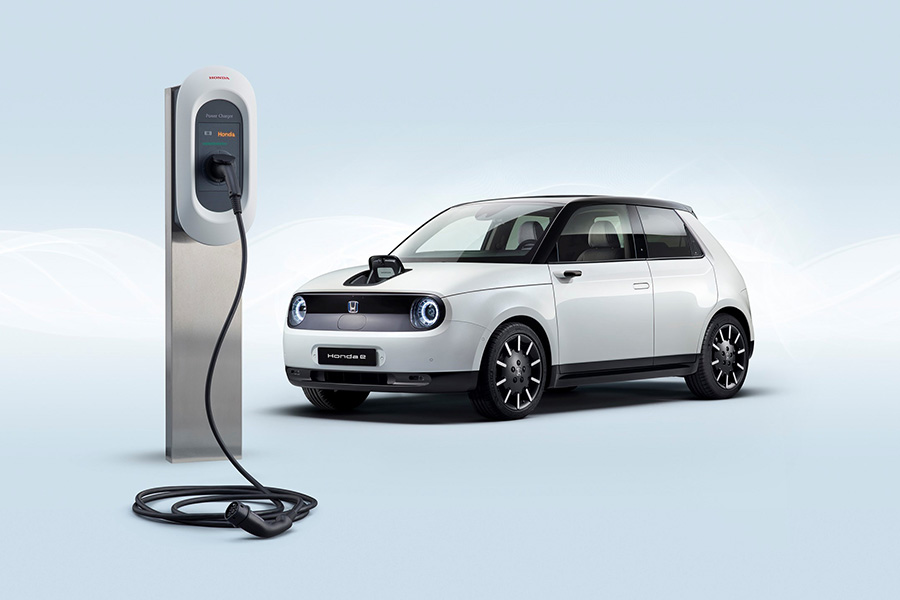
Charging the Honda e is simple and convenient, reflecting the needs of city drivers. Home charging is the most common option, typically using a standard wall box or a dedicated EV charger. For faster top-ups, public and rapid charging stations can bring the battery from empty to around 80% in under 30 minutes, ideal for short trips or quick errands.
The battery itself is a 35.5 kWh lithium-ion unit, designed for efficiency and longevity. Honda provides a warranty covering battery performance for eight years or 100,000 miles, giving drivers peace of mind about long-term reliability. Efficient battery management, regenerative braking, and eco-driving modes help maximize range in everyday city driving.
The Honda e is optimized for low-speed urban driving, where electric efficiency is most noticeable. Its small size, lightweight design, and aerodynamic elements further contribute to minimal energy consumption. While not designed for long-distance touring, the Honda e’s battery and charging capabilities are ideal for its intended purpose: daily commuting and city mobility.
Drivers can also monitor and manage charging via the car’s digital interface or Honda’s smartphone app, providing real-time updates, route planning, and energy optimization. This tech-focused approach ensures that users get the most out of their electric vehicle, blending convenience, sustainability, and performance seamlessly.
Ownership, Maintenance, and Costs
Owning a Honda e comes with several advantages compared to traditional petrol or diesel cars. Running costs are significantly lower due to reduced fuel expenses and fewer moving parts, which translate into less frequent maintenance. Annual servicing is simple, focusing on battery health, brakes, and basic mechanical checks.
Insurance costs are comparable to other small city EVs, although factors such as location, driving experience, and trim level can affect premiums. Incentives like government grants and tax benefits further enhance affordability for buyers in the UK and Europe.
Long-term ownership benefits include reliability and predictable running costs. The Honda e’s electric drivetrain reduces mechanical complexity, meaning fewer repairs and lower risk of engine-related issues. For urban drivers, this translates into a stress-free ownership experience, making the Honda e an attractive choice for those seeking a stylish, practical, and low-maintenance EV.
Honda e vs Competitors
In the city EV segment, the Honda e competes with cars like the Mini Electric, Fiat 500e, and BMW i3. While some rivals offer slightly higher range or performance, the Honda e distinguishes itself with retro-modern styling, advanced interior technology, and a focus on driving enjoyment.
Its compact size and turning circle make it particularly suitable for tight urban streets, while its design and interior technology create a unique driving experience. Unlike some competitors, the Honda e prioritizes fun-to-drive characteristics alongside efficiency and sustainability, giving it a strong value proposition for city dwellers.
By combining style, technology, and practicality, the Honda e has carved out a distinct position in the urban EV market. It appeals to buyers who want more than just a functional car—they want a vehicle that is engaging, convenient, and reflective of modern electric mobility trends.
Conclusion
The Honda e is more than just a compact electric car—it is a statement of modern urban mobility. With its retro-inspired design, advanced interior technology, agile performance, and practical range, it addresses the unique needs of city drivers while delivering an enjoyable driving experience.
Honda has successfully blended style, efficiency, and innovation in a small package, creating an EV that is both functional and desirable. Whether for daily commuting, short city trips, or simply enjoying the benefits of electric mobility, the Honda e stands out as one of the most compelling options for urban drivers. Its combination of technology, sustainability, and practicality ensures it remains a benchmark in the compact EV segment.
Frequently Asked Questions (FAQs)
What is the range of the Honda e on a full charge?
The Honda e offers approximately 137 miles of range, ideal for urban driving and short commutes.
How long does it take to charge the Honda e at home and at public stations?
Home charging can take several hours, while fast-charging stations can reach 80% in around 30 minutes.
What are the main safety features of the Honda e?
The Honda e includes adaptive cruise control, lane-keeping assist, collision mitigation, and digital side mirrors on higher trims.
How much does the Honda e cost to buy or lease?
Pricing starts around £28,000 in the UK, depending on trim level and options, with various leasing packages available.
Can the Honda e be used for long-distance driving?
It is designed primarily for city driving; while capable of longer trips, its compact range is best suited to urban environments.
What makes the Honda e different from other electric city cars?
Its retro-modern design, advanced technology, agile handling, and driver-focused features distinguish it from competitors.
Is the Honda e suitable for families or just urban commuters?
The Honda e is most suitable for urban commuting, though its interior can comfortably accommodate two adults and two children for short trips.
How reliable is the Honda e and what are its maintenance costs?
The Honda e is highly reliable due to its electric drivetrain, with low maintenance costs compared to petrol or diesel vehicles.
You May Also Read: Eton College