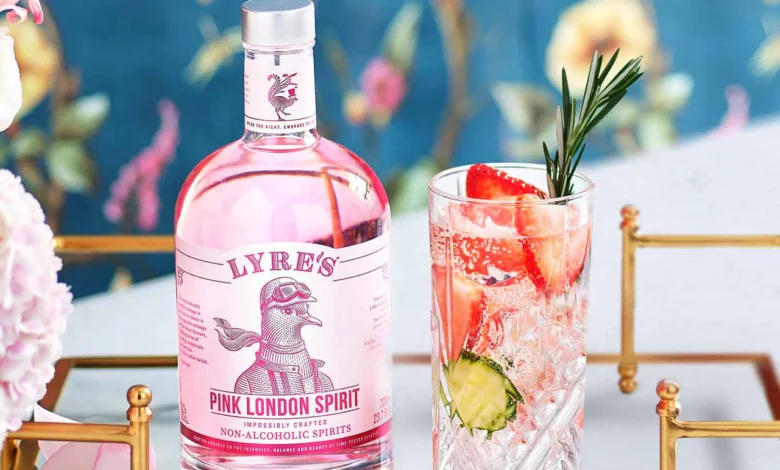
Pink gin has become one of the most popular and visually appealing spirits in recent years, celebrated for its delicate color, aromatic flavors, and versatility in cocktails. Unlike traditional clear gin, pink gin offers a unique aesthetic that adds sophistication to cocktails, parties, and social gatherings. Its growing popularity is fueled not only by its flavor but also by its photogenic qualities, making it a staple for social media-friendly drinks.
This guide explores the fascinating world of pink gin, covering its history, unique characteristics, popular cocktails, and tips for serving and storing. By understanding the origins and versatility of pink gin, enthusiasts and beginners alike can appreciate both the craftsmanship and enjoyment that this spirit brings. Whether you are mixing a classic cocktail at home, experimenting with modern recipes, or simply savoring a chilled glass, pink gin has something to offer every palate.
Additionally, this article addresses key considerations, such as health and responsible consumption, global trends, and the growing role of pink gin in modern bar culture. By the end, readers will have a comprehensive understanding of pink gin and practical tips to incorporate it into their drinking experiences.
History and Origins of Pink Gin
The origins of pink gin trace back to the 19th century in the United Kingdom, where the Royal Navy popularized it as a way to mask the bitter taste of gin with a few drops of Angostura bitters. Initially, this concoction served both as a remedy against seasickness and as a flavorful drink for sailors. Over time, the drink evolved into a cocktail enjoyed in bars and homes across the UK.
As gin production advanced and distillers experimented with botanicals and fruit infusions, pink gin gradually transformed into a colorful and aromatic beverage distinct from traditional clear gin. Modern pink gin typically includes natural flavors and fruits, which give it its signature hue and delicate taste. The drink’s popularity surged in the 21st century with the craft cocktail movement, which emphasized visually appealing, flavor-rich, and innovative drinks.
Today, pink gin is both a nod to its historical roots and a modern culinary and social phenomenon. Popular brands have embraced this trend, offering variations with unique botanical blends, fruits, and low-sugar options. From its naval origins to its contemporary presence in upscale bars and social media feeds, pink gin’s journey illustrates the blend of tradition and innovation in the world of spirits.
Understanding Pink Gin
Pink gin distinguishes itself from regular gin through both flavor and visual appeal. Its hallmark is the delicate pink color, which comes from natural ingredients such as berries, botanicals, or bitters. Some varieties rely on small quantities of Angostura bitters, while others achieve their color through infusions of strawberries, raspberries, or hibiscus flowers. Unlike liqueurs, pink gin maintains the alcohol content and dryness of traditional gin while introducing subtle fruity or floral notes.
Flavor profiles can vary significantly depending on the brand and infusion method. Some pink gins are slightly sweet, emphasizing berry flavors, while others highlight aromatic botanicals and remain dry. This versatility allows pink gin to be paired with a variety of mixers and garnishes, from tonic water to citrus slices, and even creative infusions with herbs like rosemary or mint.
A common misconception is that pink’gin is overly sweet or low in alcohol. While some flavored gins may include added sugar, high-quality pink’gin retains the balance and strength of traditional gin, typically around 37–40% alcohol by volume. This distinction makes pink’gin appealing to both seasoned gin drinkers and newcomers seeking a visually appealing, flavorful alternative to clear spirits.
Popular Pink Gin Cocktails and Recipes
Pink gin is incredibly versatile, forming the base for numerous cocktails. The classic Pink Gin & Tonic is a simple yet elegant option: combine a measure of pink’gin with tonic water, add ice, and garnish with a slice of lime or a few berries. This drink highlights the gin’s subtle flavors without overwhelming the palate. Another popular choice is the Pink Negroni, which combines pink’gin, vermouth, and Campari for a slightly bitter, balanced cocktail with a modern twist.
For more adventurous mixologists, pink’gin can be paired with fruit juices, sparkling wine, or even herbal infusions to create refreshing summer cocktails. A Pink Gin Fizz, made with lemon juice, soda water, and a hint of sugar, is a fizzy and light option perfect for brunch or garden parties. Additionally, bartenders often experiment with edible flowers, fresh herbs, and seasonal berries as garnishes, enhancing both flavor and visual appeal.
At home, creating signature drinks is straightforward. Measure the desired amount of pink’gin, experiment with mixers, and adjust the garnish to suit your taste. Understanding the balance between sweetness, bitterness, and aromatics is key to crafting cocktails that highlight pink’gin’s natural characteristics. Its versatility allows both traditional and innovative recipes, catering to casual drinkers and cocktail enthusiasts alike.
Serving, Storing, and Enjoying Pink Gin
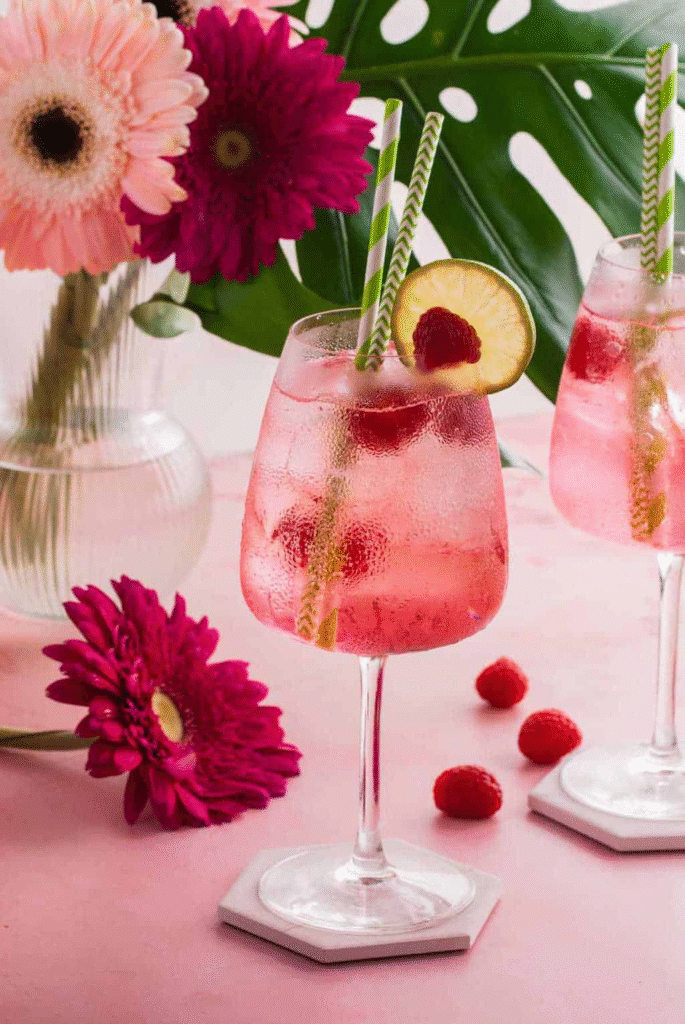
Serving pink’gin properly enhances its flavors and presentation. Chilled or on the rocks are the most common methods, while cocktails often feature appropriate glassware such as highball or coupe glasses. Garnishes like berries, citrus slices, or fresh herbs not only add flavor but also elevate the drink’s aesthetic appeal. Presentation matters, particularly for events or social media-friendly setups, making pink’gin a visually striking choice.
Storing pink’gin is simple but crucial for preserving flavor and color. Keep the bottle tightly sealed in a cool, dark place, away from sunlight or heat sources. This ensures that the delicate fruit infusions or botanicals do not degrade prematurely. Unlike liqueurs, pink’gin does not require refrigeration after opening, but consuming it within a reasonable time frame ensures optimal taste.
Pink gin can be incorporated into social gatherings in creative ways. Hosting a pink’gin-themed party, offering a signature cocktail, or pairing drinks with appetizers enhances the experience. Its versatility allows for both casual enjoyment and sophisticated events. Experimenting with different mixers, garnishes, and presentation styles ensures that pink’gin remains a central feature in modern cocktail culture.
Health, Trends, and Popularity
While pink gin is an alcoholic beverage, moderate consumption can be part of a balanced lifestyle. Responsible drinking guidelines should always be followed. Many brands now offer lower-alcohol or lower-sugar pink’gin options, appealing to health-conscious consumers and expanding the audience.
The global popularity of pink’gin has grown exponentially, driven by social media, bars, and online cocktail communities. Its photogenic quality makes it particularly appealing for Instagram and Pinterest posts, where aesthetics influence consumer interest. Additionally, the rise of craft gin distilleries has fueled innovation in pink’gin recipes, with unique botanicals, fruits, and small-batch production emphasizing quality and exclusivity.
Trends suggest that pink’gin will continue to evolve, with new flavor combinations, sustainable packaging, and creative cocktail recipes. Consumers are increasingly seeking not just flavor, but an experience, and pink ‘gin provides both in a single, colorful package. This intersection of taste, style, and culture ensures pink gin remains relevant and celebrated in bars, homes, and global markets.
Conclusion
Pink gin is a unique and versatile spirit that combines rich history, aromatic flavors, and modern aesthetic appeal. From its Royal Navy origins to contemporary cocktail culture, pink’gin has evolved into a favorite for both seasoned gin enthusiasts and newcomers. Understanding its flavor profiles, serving techniques, and cocktail applications allows anyone to enjoy this vibrant spirit responsibly and creatively.
Whether used in classic cocktails, innovative recipes, or enjoyed on its own, pink’gin offers a balance of tradition and modernity. Its visual appeal, flavor versatility, and cultural significance make it a must-try for anyone interested in spirits and mixology. By exploring pink’gin thoughtfully, consumers can experience both the taste and the story behind this captivating beverage.
FAQs
What makes pink’gin different from regular gin?
Pink gin is distinguished by its color, added flavors, and aromatic botanicals, while maintaining the alcohol content of traditional gin.
How is pink gin made and what ingredients give it color?
Pink’gin derives its color from botanicals, fruits, or bitters such as Angostura, berries, or hibiscus infusions.
Can pink gin be used in cocktails other than the classic recipe?
Yes, it pairs well with tonic, citrus, sparkling wine, and creative mixers for modern cocktails.
Is pink gin sweeter than regular gin?
Some pink’gins are slightly sweet due to fruit infusions, but high-quality options maintain a balanced dryness.
How should pink gin be stored to maintain its flavor?
Store in a cool, dark place, tightly sealed, away from sunlight or heat. Refrigeration is optional.
Can pink gin be enjoyed on its own?
Yes, it can be sipped neat or on the rocks to appreciate its delicate flavors.
What are some popular garnishes for pink gin cocktails?
Fresh berries, citrus slices, herbs like mint or rosemary, and edible flowers enhance flavor and presentation.
Are there low-alcohol or sugar-free pink gin options?
Yes, many brands offer lighter versions for health-conscious consumers.
How did pink gin become popular in modern cocktail culture?
Social media, craft distilleries, and the craft cocktail movement increased its visibility and appeal.
Which pink gin brands are recommended for beginners?
Popular beginner-friendly brands include Plymouth Pink, Gordon’s Premium Pink, and Beefeater Pink, known for balanced flavor and approachability.
You May Also Read: Sliced Gherkins Crunchy