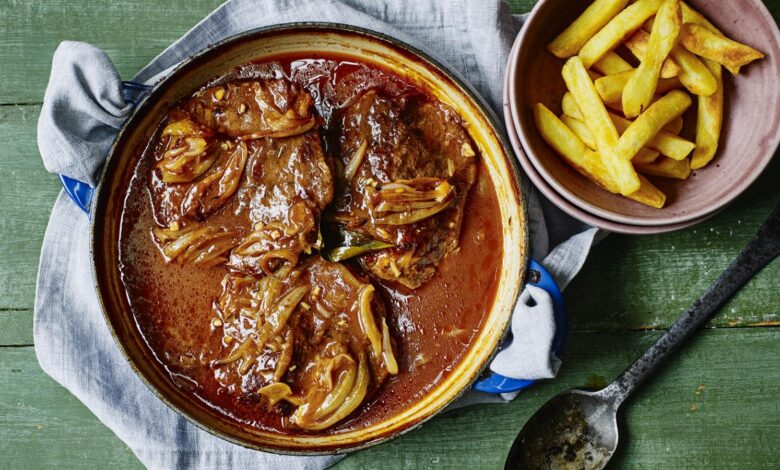
Braising steak is a cornerstone of home cooking and professional kitchens alike, celebrated for its rich flavor and versatility. Unlike premium steaks designed for quick grilling or pan-frying, braising steak is derived from tougher cuts of beef that benefit from slow, gentle cooking. Through the braising process, these cuts transform into tender, succulent meals packed with flavor. This makes Braising Steak a favorite for hearty stews, classic pot roasts, and international slow-cooked dishes.
Understanding how to select, prepare, and cook braising steak is essential for achieving consistently delicious results. The process begins with choosing the right cut, continues with proper seasoning and cooking techniques, and ends with serving suggestions that maximize taste and texture. With careful preparation, braising steak offers an affordable way to enjoy rich, satisfying beef without sacrificing tenderness or flavor.
This article explores braising’steak in detail, from identifying the best cuts and selecting quality meat to mastering cooking techniques and crafting diverse recipes. We will also cover nutritional benefits, health considerations, and tips for serving and storing leftovers. Whether you are a novice home cook or an experienced chef, this guide will provide practical advice to elevate your slow-cooked beef dishes and make braising steak a reliable and rewarding ingredient in your kitchen.
Understanding Braising Steak
Braising steak comes from tougher muscles in the cow, such as the shoulder, chuck, or shin. These muscles are exercised frequently, resulting in more connective tissue and less natural tenderness compared to premium cuts like ribeye or sirloin. However, this toughness makes them ideal for braising because the slow cooking process breaks down collagen and fibers, creating tender, juicy meat.
The primary characteristics of braising steak include its marbling, thickness, and connective tissue content. Marbling, or intramuscular fat, enhances flavor and moistness, while the collagen converts into gelatin during cooking, enriching sauces and gravies. Braising’steak is also versatile, lending itself to a variety of dishes, from traditional beef stew to more exotic recipes like Moroccan tagine or Asian-style braised beef.
Nutrition-wise, braising steak provides a good source of high-quality protein, iron, and essential vitamins, making it a hearty addition to balanced meals. While it is higher in fat than lean cuts, slow cooking allows much of the fat to render, and the resulting dish can be paired with vegetables and whole grains to create a nutritious, satisfying meal. Understanding these properties allows cooks to optimize cooking techniques and maximize the flavor potential of braising steak.
Selecting the Perfect Braising Steak
Choosing the right cut is critical for a successful braised dish. Commonly recommended cuts include chuck, blade, skirt, and shin. Chuck comes from the shoulder and is well-marbled, providing rich flavor. Blade steak, cut from the shoulder blade, contains more connective tissue, making it ideal for long, slow cooking. Skirt steak has a distinct beefy flavor and fibrous texture, while shin steak, from the lower leg, is gelatinous and produces a luscious sauce when braised.
When selecting braising steak, look for meat with visible marbling and a deep red color. Avoid cuts that are pale or dry-looking, as they may lack flavor and tenderness. Thickness is another important consideration: pieces around 2-3 cm thick allow for even cooking while maintaining juiciness. Purchasing from a reputable butcher ensures freshness and quality, and butchers can often provide advice on the best cut for specific recipes.
Preparation before cooking includes trimming excessive fat, seasoning the meat, and sometimes marinating to enhance flavor. Proper storage is also essential; keep the meat refrigerated and use within recommended timelines to maintain quality. Following these guidelines ensures that your braising steak starts with the best foundation, making the cooking process smoother and more rewarding.
Cooking Techniques for Braising Steak
Braising is a slow-cooking method that combines searing with cooking in liquid at low heat. The process begins by seasoning the steak with salt, pepper, and any desired herbs or spices. Next, sear the meat in a hot pan with a small amount of oil to develop a caramelized crust, enhancing flavor. This initial step also locks in juices, contributing to the final tenderness.
After searing, transfer the meat to a braising vessel and add liquid, such as stock, wine, or a combination. Aromatics like onions, garlic, carrots, and herbs can be added to enrich the sauce. Cover the pot and cook slowly, either in the oven or on the stovetop, for 2-4 hours depending on the cut and size. The low, slow heat allows collagen in the meat to break down, resulting in tender, pull-apart beef.
Several tips enhance the braising process. Maintain a gentle simmer rather than a rolling boil to avoid toughening the meat. Basting occasionally ensures even cooking and flavor absorption. For extra richness, reduce the braising liquid at the end to create a concentrated sauce. Avoid common mistakes such as skipping the sear, using insufficient liquid, or cooking at too high a temperature, which can compromise tenderness and flavor.
Braising Steak Recipes
Classic recipes for braising steak include beef stew, pot roast, and beef bourguignon. These dishes combine slow-cooked meat with aromatic vegetables and flavorful liquids, producing a comforting, hearty meal. Stews often feature chunks of braising steak simmered with root vegetables and herbs, while pot roast typically involves cooking a larger cut in the oven until it falls apart effortlessly.
International variations expand the versatility of braising steak. Asian-style braised beef might include soy sauce, ginger, and star anise, producing a sweet-savory profile. Mexican barbacoa uses chilies, lime, and spices for bold, robust flavors, while Moroccan tagine combines dried fruits, spices, and slow-cooked beef for a fragrant, complex dish. These recipes showcase the adaptability of braising steak to diverse culinary traditions.
Serving suggestions include pairing braised meat with mashed potatoes, rice, or crusty bread to soak up sauces. Vegetables, either cooked with the meat or as a side, provide color, texture, and nutritional balance. Leftovers can be stored in the refrigerator for several days or frozen for longer-term use, making braising steak a convenient option for meal planning.
Health and Nutritional Considerations
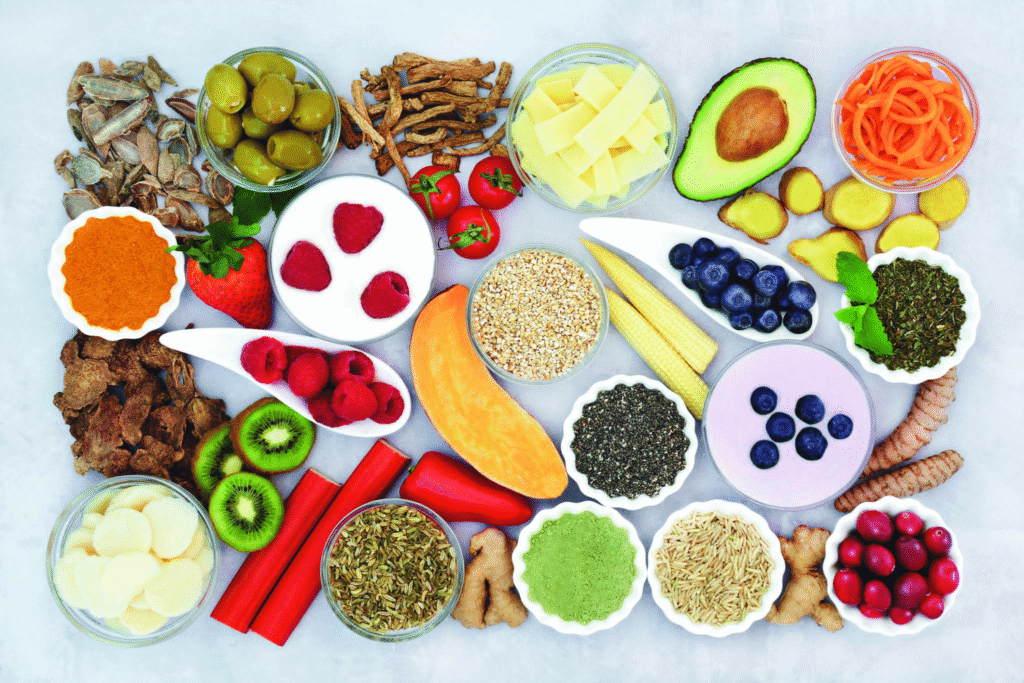
Braising steak is nutrient-dense, providing protein, iron, and B vitamins essential for energy and overall health. While braising cuts are higher in fat than lean beef, much of this fat renders during slow cooking, enriching sauces without excessive greasiness. Pairing braising steak with vegetables, legumes, and whole grains ensures a balanced, wholesome meal.
Caloric content can be moderated by trimming excess fat before cooking and using leaner cuts when possible. Additionally, braising in low-sodium stock or using herbs and spices instead of excessive salt helps create healthier dishes without sacrificing flavor. This approach allows home cooks to enjoy traditional, hearty meals while maintaining a focus on nutrition.
The slow cooking process also retains key nutrients that might be lost in high-heat methods such as grilling or frying. Vitamins like B12 and minerals such as zinc remain largely intact, and the meat’s natural juices combine with braising liquid to create a flavorful, nutrient-rich sauce. With mindful preparation, braising steak can be both delicious and a beneficial part of a balanced diet.
Conclusion
Braising steak is a versatile and rewarding ingredient for home cooks and chefs alike. By selecting the right cut, understanding the braising process, and using appropriate cooking techniques, anyone can achieve tender, flavorful, and satisfying results. From traditional stews and pot roasts to international slow-cooked dishes, braising steak offers endless possibilities for hearty, delicious meals.
Paying attention to nutritional considerations, proper preparation, and safe storage ensures that these meals are both wholesome and convenient. With a little practice, braising steak can become a staple in your culinary repertoire, providing comfort, flavor, and variety in every slow-cooked dish. Experiment with flavors, explore international recipes, and enjoy the rich, succulent results that braising steak has to offer.
Frequently Asked Questions (FAQs)
What is braising steak?
Braising steak is a tougher cut of beef suitable for slow cooking, known for its rich flavor and ability to become tender when braised.
Which cuts of beef are best for braising?
Common cuts include chuck, blade, skirt, and shin, all containing connective tissue that breaks down during slow cooking.
How long should I cook braising steak?
Typically 2-4 hours, depending on the cut, size, and cooking method, until the meat is tender and easily pulled apart.
Can braising steak be cooked in a slow cooker?
Yes, slow cookers are ideal for braising steak, allowing low, steady heat to break down collagen over several hours.
What liquids are best for braising steak?
Stock, wine, beer, or a combination, often enhanced with aromatics like onions, garlic, and herbs.
How can I make braising steak more tender?
Sear the meat first, cook at low heat slowly, use adequate liquid, and allow the collagen to fully break down.
Is braising steak healthy?
Yes, it provides protein, iron, and essential nutrients. Trimming fat and pairing with vegetables enhances healthfulness.
Can leftovers be frozen safely?
Yes, braised beef can be refrigerated for several days or frozen for longer storage,maintaining flavor and texture.
You May Also Read: Filey Tide Times