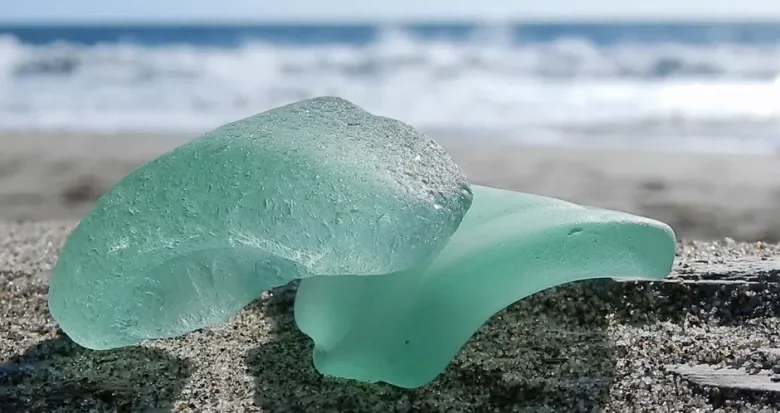
Sea glass is one of nature’s most enchanting treasures. Shaped by the relentless power of the ocean, pieces of discarded glass transform over time into smooth, frosted gems that captivate collectors, crafters, and jewelry enthusiasts alike. These tiny fragments, once considered waste, are now cherished for their unique colors, textures, and histories. From pristine whites to rare blues and greens, each piece tells a story of its journey through waves, sand, and time.
Collectors often marvel at how something as simple as broken glass can become so aesthetically pleasing, embodying both beauty and history. Beyond their visual appeal, sea glass pieces carry environmental significance, as they represent the ocean’s ability to reclaim and recycle materials. For artists and jewelry designers, sea glass offers endless creative possibilities, transforming simple fragments into intricate pieces of wearable art or home décor.
This article will serve as your ultimate guide to understanding, identifying, and using sea glass. We will explore its origins, types, and rarity, along with tips on collecting, preserving, and incorporating it into art and jewelry. Whether you are a seasoned collector or a curious beginner, this comprehensive guide will provide everything you need to appreciate and work with these fascinating ocean treasures.
What is Sea Glass?
Definition and Formation
Sea glass, sometimes called beach glass, is formed when discarded glass objects—bottles, jars, or even old windows—are broken and tumbled by ocean waves over decades. This process smooths sharp edges, erodes surfaces, and gives the glass its signature frosted appearance. The transformation requires patience, as the glass must be exposed to sand, water, and motion long enough to become polished and rounded naturally.
The journey of sea’glass from waste to treasure is fascinating. Saltwater gradually leaches minerals from the glass, while the constant rolling and tumbling with sand and rocks smooths its rough edges. Over time, the once sharp and jagged pieces resemble gemstones, reflecting sunlight with a soft glow that makes them visually appealing. While some modern artisans attempt to artificially tumble glass to mimic this effect, authentic sea’glass is prized for its irregularities and the subtle imperfections that speak to its history.
This natural formation process ensures that no two pieces of sea glass are alike. The variety of colors, shapes, and sizes depends on the original glass, environmental conditions, and duration of exposure to the elements. Collectors treasure this uniqueness, as it makes each find not just a piece of glass, but a tiny story of the ocean itself.
History of Sea Glass
Sea glass has a rich history that dates back centuries. In earlier times, broken glass from bottles and windows often ended up in rivers and oceans, eventually washing ashore. As civilizations grew, discarded glass became more common, and beaches around the world became unofficial repositories of human activity and craftsmanship. Over time, collectors began to notice the allure of these polished fragments and started preserving them for artistic and decorative purposes.
During the 20th century, sea glass gained popularity among artists and jewelers, particularly in coastal regions. Its natural beauty and variety made it ideal for creating mosaics, ornaments, and jewelry pieces. Today, sea’glass has transcended mere decoration; it is valued for its environmental story, historical significance, and cultural symbolism. Some rare colors and vintage pieces even fetch high prices among collectors, highlighting the intersection of natural beauty and historical intrigue.
Types of Sea Glass
Sea glass comes in a remarkable variety of colors and shapes. Common colors include white, brown, and green, often originating from beverage bottles and jars. However, rarer colors like cobalt blue, red, and amber are highly prized due to their scarcity. Certain hues, such as orange or pink, are considered extremely rare, as they were produced in limited quantities historically.
Beyond color, collectors also appreciate differences in size, shape, and surface texture. Small, smooth pieces are often ideal for jewelry, while larger, uniquely shaped fragments are perfect for art projects. Some collectors even categorize sea’glass based on the era of production or the type of original glass, making the hobby both scientific and artistic. Understanding these types helps enthusiasts identify, value, and curate their collections effectively.
How to Identify Authentic Sea Glass

Physical Characteristics
Authentic sea glass has several distinguishing characteristics. First, it exhibits a frosted, matte surface, unlike freshly broken glass, which is shiny and sharp. Small pitting or irregularities on the surface indicate long-term exposure to the elements, including sand and saltwater. Edges are always rounded, never sharp, which is a result of constant tumbling over time.
Collectors also examine thickness and weight. Sea’glass is typically lighter than freshly broken glass, and its shape varies from flat to slightly curved fragments. While some pieces may appear almost transparent, most show subtle opacity due to weathering. These characteristics are essential for distinguishing genuine sea glass from artificially tumbled glass, which may mimic the frosted appearance but lacks natural irregularities.
Common Misconceptions
Many beginners confuse tumbled glass or fake beach glass with authentic sea glass. While artificially tumbled glass may look smooth and frosted, it lacks the depth, texture, and irregular patterns of true sea glass. Genuine pieces usually bear tiny chips, scratches, or etched patterns that reflect their history in the ocean.
Another misconception is that all glass found on beaches is sea glass. In reality, some fragments may have washed ashore recently and have not yet undergone the natural weathering process. Patience and experience are key to learning how to identify authentic pieces, especially for serious collectors seeking rare colors or historical artifacts.
Tools and Tips for Identification
To verify authenticity, collectors often use magnifying glasses to examine surface patterns closely. UV light can reveal certain characteristics of glass type and age, helping differentiate genuine pieces from modern imitations. Keeping a reference guide with images of common and rare sea’glass colors also helps enthusiasts track and categorize their finds.
Additionally, handling and observing multiple pieces over time develops a collector’s intuition for authenticity. Experience is invaluable, as it allows one to identify subtle differences in surface texture, translucency, and shape that machines or guides cannot fully replicate.
Collecting Sea Glass
Best Places to Find Sea Glass
Some beaches are more fruitful than others for sea glass collectors. Coastal areas with long histories of human settlement or old glass disposal sites often yield more and rarer pieces. Famous sea glass beaches exist in the United States, Europe, and Asia, drawing collectors from around the world. Timing also matters—low tides after storms tend to expose freshly washed-up treasures.
Traveling with a keen eye and a small collection bag can make the hunt both productive and enjoyable. Collectors often explore secluded coves or rocky shores, where waves have naturally tumbled the glass over centuries. Patience and persistence are key virtues in this pursuit.
Ethical Collecting Practices
Responsible collecting is essential to preserve beaches and ecosystems. Always take only what you need, avoid disturbing wildlife, and follow local regulations regarding beachcombing. Many collectors advocate for leaving a portion of the glass behind to maintain the natural balance and allow future generations to enjoy the hunt.
Storing and Organizing Your Collection
Once collected, sea’glass requires proper storage to preserve its beauty. Sorting by color, size, or shape makes it easier to use in art or jewelry projects. Displaying pieces in jars, shadow boxes, or glass containers adds aesthetic value while keeping them organized and protected.
Sea Glass in Art and Jewelry
Crafting with Sea Glass
Sea glass is highly versatile for crafting. DIY enthusiasts create mosaics, wind chimes, ornaments, and even decorative mirrors. Its varied colors and textures allow for endless creativity, enabling artisans to make one-of-a-kind pieces that capture the essence of the ocean.
Sea Glass Jewelry
Jewelry makers prize sea’glass for necklaces, rings, bracelets, and earrings. Each piece’s uniqueness makes jewelry truly personal, whether for gifts or commercial sales. Cleaning gently with mild soap and water preserves the glass’s natural frosted appearance without damaging it.
Selling Sea Glass Creations
For those looking to monetize their art, sea glass jewelry and décor can be sold online or at craft fairs. Storytelling enhances value—highlighting the origin, history, or rarity of a piece makes it more appealing to buyers who appreciate its journey and uniqueness.
Fun Facts and Interesting Uses of Sea Glass
Sea glass is more than decorative; it’s environmentally symbolic. By transforming waste into beauty, it reminds us of the ocean’s resilience. Some cultures attribute spiritual or symbolic meanings to different colors, while rare pieces are sometimes sought after for their historical significance. Collectors often report the thrill of finding a piece of deep cobalt blue or red, considered the holy grail of sea’glass.
Conclusion
Sea glass is a fascinating intersection of nature, history, and art. From its formation along ocean shores to its incorporation into jewelry and décor, it represents patience, beauty, and sustainability. Whether you’re collecting for fun, crafting unique pieces, or appreciating its natural history, sea glass has something for everyone. By understanding its characteristics, practicing ethical collecting, and exploring creative uses, you can fully embrace the allure of these tiny ocean treasures.
FAQs
What is the difference between sea glass and beach glass?
Sea glass is naturally weathered over decades by waves and sand, while beach glass may include freshly broken glass that hasn’t been smoothed naturally.
How long does it take for glass to become sea glass?
Authentic sea glass usually takes 20–40 years or more to achieve its frosted, smooth appearance.
Which colors of sea glass are the rarest?
Red, orange, and certain shades of blue are considered the rarest due to limited historical production.
Can I make my own sea glass at home?
You can tumble glass artificially, but it won’t replicate the natural imperfections and history of true sea glass.
Are there any legal restrictions on collecting sea glass?
Some beaches have local regulations; always check before collecting to avoid fines or environmental damage.
How do you clean sea glass without damaging it?
Gently rinse with mild soap and water; avoid harsh chemicals or scrubbing that could alter the frosted surface.
Can sea glass increase in value over time?
Yes, rare colors, vintage pieces, or unique shapes can be highly valued by collectors and artisans.
You May Also Read: North American Communications