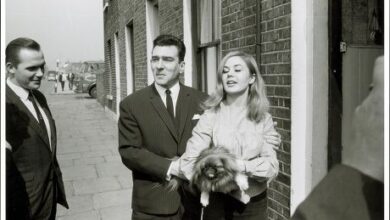
Bootle St Police Station stands as one of Manchester’s most historically significant policing landmarks, representing more than just a place of law enforcement. For decades, it served as a central hub for public safety, community engagement, and operational policing in the heart of the city. Its presence contributed to shaping Manchester’s identity during a time of rapid social, economic, and architectural transformation. The building itself offered an unmistakable sense of authority—its solid brickwork, imposing façade, and civic design reflecting the era of its construction.
Over the years, Bootle St Police Station evolved with changing policing models. What once functioned primarily as a traditional police station gradually adapted to modern policing needs, including community-focused initiatives and more advanced investigative units. Despite these adaptations, the station maintained its distinctive character and long-standing reputation among residents, many of whom associated it with safety, resilience, and civic order.
Today, although no longer active as a police station, Bootle St remains firmly rooted in public memory. Its legacy is preserved through written records, architectural conservation efforts, and the strong emotional ties held by former officers and local citizens alike. The story of Bootle St is both a reflection of Manchester’s growth and a symbol of how civic institutions evolve over time—always striving to meet the needs of the communities they serve.
Historical Overview and Architectural Significance
Bootle St Police Station was originally constructed during a period of expansion within Manchester’s civic infrastructure. At the time, law enforcement buildings were designed not only for practicality but also as architectural statements—symbols of authority and stability. The structure’s traditional stone and brickwork followed classic civic design principles, giving it a timeless appearance that still draws attention today. The station’s interiors, lined with old holding cells, staircases, and original officers’ rooms, carried the echoes of a bygone policing era.
Throughout the mid-20th century, Bootle St Police Station played a central role in crime prevention and public protection during times of social change and rising urban population. Officers stationed there handled a wide range of cases, from routine patrol incidents to large-scale public events. Its strategic location made it a crucial point for coordinating responses across central Manchester, enabling effective communication and swift mobilization when needed.
The building’s architecture also carried functional advantages. Its robust structure allowed it to withstand decades of heavy use, while its layout facilitated operational efficiency—an essential feature during busy periods. As policing needs shifted over time, the limitations of its historic design became more apparent, contributing to the decision to eventually decommission it. Yet the architectural value of the station cannot be understated; it remains one of Manchester’s most recognizable civic buildings, embodying a physical link to the city’s policing past.
Role in Manchester’s Policing and Community Life
For many Manchester residents, Bootle St Police Station was far more than a government building—it was a visible and reassuring presence in everyday life. Generations of officers served from its halls, building relationships with local citizens, supporting community safety programs, and responding to incidents that shaped public trust. Whether people visited for routine reporting, community meetings, or emergency assistance, Bootle St maintained a reputation for professionalism and approachability.
The station also played a vital role in major city events, from crowd control at football matches to public celebrations and festivals. Its officers participated in community outreach efforts, visiting schools, offering safety workshops, and working closely with neighborhood organizations to promote crime prevention. This emphasis on community policing strengthened ties between law enforcement and the public, helping create a sense of shared responsibility for local well-being.
Even after its closure, the memories tied to Bootle St continue to resonate. Retired officers often recount stories of camaraderie, challenge, and dedication, while residents recall the station as a familiar landmark offering reassurance during uncertain times. This deep-rooted connection demonstrates the enduring impact of civic institutions—especially those focused on public safety—on the collective memory of a city.
Redevelopment Plans and the Future of Bootle St
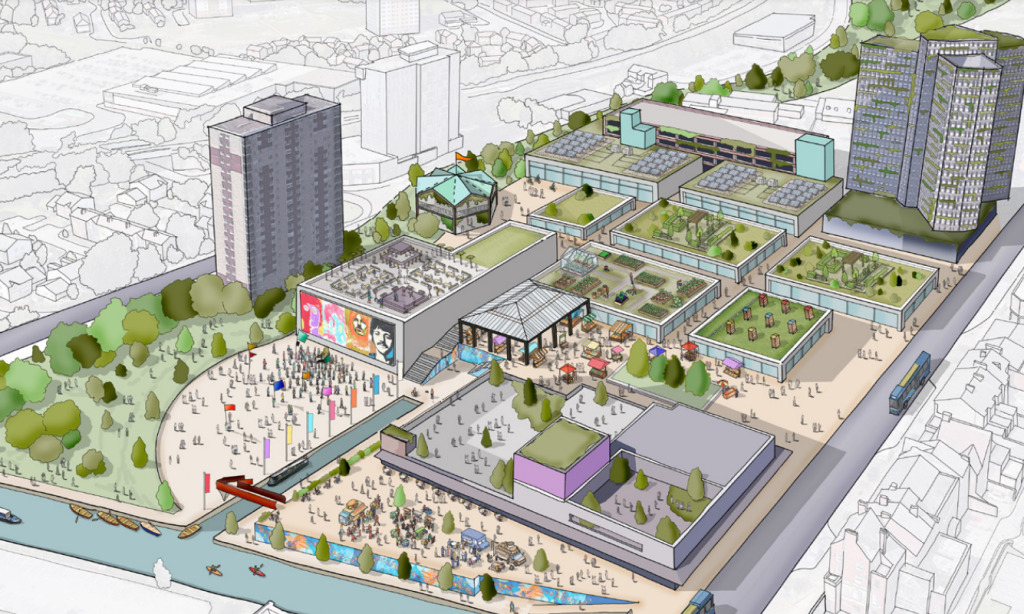
In recent years, the future of Bootle St Police Station has become a highly discussed topic as Manchester undergoes significant urban redevelopment. The site, positioned in a prime city-center location, has attracted interest from developers seeking to revitalize the area with modern infrastructure while balancing the need to preserve historical elements. Proposed plans have included mixed-use developments, hospitality venues, commercial spaces, and cultural centers—all aiming to integrate contemporary functionality with the building’s storied heritage.
One of the biggest challenges in redeveloping Bootle St lies in respecting its historical value. Preservationists and community members advocate for retaining key architectural features to ensure the building’s character is not lost. Developers, on the other hand, strive to maximize utility and economic viability. The resulting discussions have encouraged a balanced approach—one that blends conservation with innovation, maintaining the essence of Bootle St while repurposing it for future generations.
As Manchester continues to transform, Bootle St is positioned to play an exciting new role in the city’s landscape. Whether it evolves into a cultural space, hospitality hub, or modern mixed-use development, its legacy as a cornerstone of public service will remain an integral part of its identity. The future promises to honor the past while embracing new opportunities for community engagement and urban vitality.
Conclusion
Bootle St Police Station stands as a testament to Manchester’s rich civic history, embodying decades of service, dedication, and community connection. From its architectural strength to its pivotal role in policing and public life, it remains one of the city’s most iconic landmarks. Though no longer an operational station, its legacy continues to influence redevelopment discussions and inspire those who remember its importance. As Manchester advances into a new era of urban design, Bootle St’s story serves as a reminder that honoring the past is essential to building the future.
FAQs About Bootle St Police Station
Where is Bootle St Police Station located?
Bootle St Police Station is located in central Manchester, in a key area close to major city landmarks.
Is Bootle St Police Station still operational?
No, the station has been decommissioned, though the building still stands and is undergoing redevelopment discussions.
Why was the station closed?
It was closed due to changes in modern policing needs and the limitations of its historic infrastructure.
What are the redevelopment plans for the site?
Proposals include mixed-use developments such as hospitality venues, commercial spaces, and cultural facilities.
Is the building considered historically significant?
Yes, both locals and preservationists value its architectural and civic heritage, making it an important structure in Manchester’s history.
You May Also Read: Lasswade Midlothian