Congress House London stands as an iconic symbol of the British labor movement, blending historical significance with architectural brilliance. Located in the heart of London, this building serves as the headquarters for the Trades Union Congress House London (TUC), a federation of trade unions in England and Wales. Since its opening, Congress House has not only been a central hub for union activities but also a testament to the social and political evolution of worker rights in the United Kingdom. Its presence reflects decades of collective efforts to improve labor conditions, protect workers, and foster solidarity among diverse industries.
The importance of Congress House extends beyond politics. It is a cultural landmark that embodies the aspirations, struggles, and achievements of millions of workers. From hosting pivotal conferences to accommodating public events and community programs, the building continues to play a vital role in shaping national discourse. Its architectural elegance and historical relevance make it a must-visit location for historians, architecture enthusiasts, students, and tourists seeking to understand the roots of the UK’s labor movement.
This article explores Congress House London in depth, covering its history, architectural features, functions, cultural impact, and visitor information. By understanding this remarkable building, readers gain insight into its enduring significance and its contribution to British society. From the original vision of its creators to the contemporary role it plays in trade union activities, Congress House remains a cornerstone of the UK’s political and cultural landscape.
History of Congress House London
The history of Congress House London is closely intertwined with the evolution of trade unions in the UK. The building was constructed in the early 1950s and officially opened in 1958, providing a permanent home for the Trades Union Congress. Prior to its construction, union activities were scattered across various temporary locations, limiting the effectiveness and visibility of the movement. The establishment of Congress House marked a significant step in centralizing operations and strengthening the organizational capacity of trade unions.
Throughout its history, Congress House has been at the center of landmark labor decisions and events. It has hosted critical conferences that shaped worker rights legislation, wage negotiations, and social welfare policies. During periods of industrial upheaval, the building served as a rallying point for union leaders and activists advocating for fair treatment and equality. Its strategic location in London also positioned it at the heart of national politics, allowing union representatives to engage directly with policymakers and government officials.
Several notable figures have contributed to the legacy of Congress House. Leaders such as Walter Citrine and Ernest Bevin were instrumental in promoting worker solidarity and using the building as a base for organizing campaigns that influenced national labor laws. The history of Congress House is not just a chronicle of a physical structure; it is a narrative of social progress, political activism, and the tireless efforts of those committed to improving conditions for workers across the country.
Architecture and Design
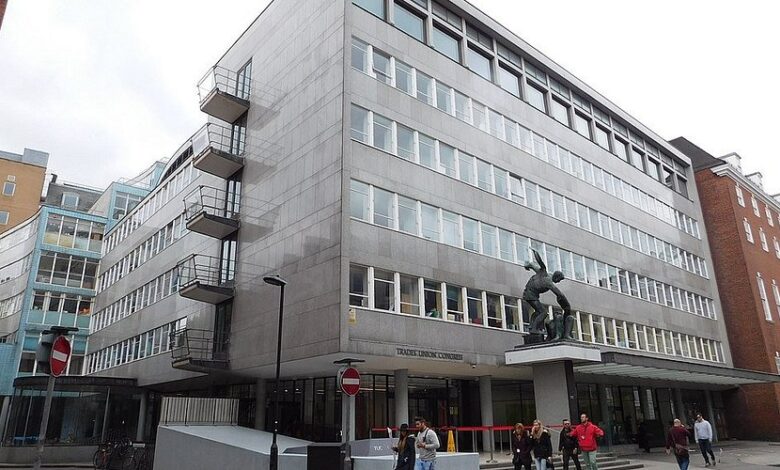
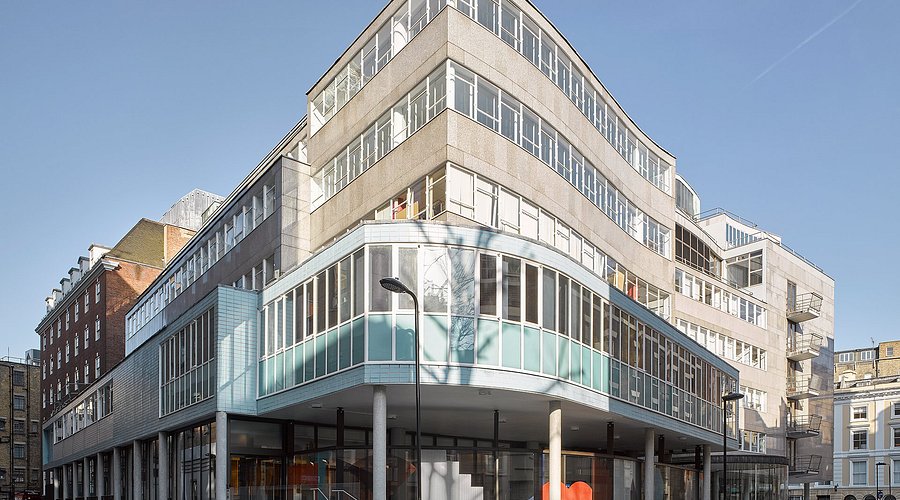
Congress House London is renowned for its architectural style, which reflects both the modernist trends of the mid-20th century and the building’s functional purpose. Designed by architect David Aberdeen, the structure combines simplicity with elegance, emphasizing clean lines, balanced proportions, and purposeful spatial arrangements. Its façade, constructed from Portland stone, exudes a sense of dignity and permanence, befitting its role as the headquarters of Britain’s labor movement.
The interior of Congress House is equally impressive. The building features spacious conference rooms, executive offices, and public halls designed to accommodate large gatherings and events. One of the most notable features is the Trades Union Congress Hall, which hosts meetings, lectures, and award ceremonies. Throughout the building, art and design elements celebrate the labor movement’s achievements, including murals, sculptures, and commemorative plaques that honor influential trade union leaders.
The architectural design of Congress House is not merely aesthetic; it reflects the values and ethos of the labor movement. Its open and functional layout encourages collaboration, discussion, and transparency, aligning with the democratic principles of trade unions. Furthermore, the integration of public spaces and accessible areas demonstrates a commitment to community engagement, ensuring that the building remains a living, active center rather than a closed administrative hub.
Congress House stands as a testament to the successful marriage of form and function, offering visitors an inspiring example of mid-20th century modernist architecture infused with historical and social significance.
Role and Function
Today, Congress House London continues to serve as the operational heart of the Trades Union Congress. It provides office space for union officials, meeting rooms for committees, and halls for conferences and public events. The building acts as both an administrative center and a symbol of collective strength, representing millions of union members across diverse industries. Its functions are multifaceted, encompassing policy development, negotiation facilitation, and community outreach.
Congress House also hosts a wide array of events, from high-profile conferences and lectures to smaller workshops and training programs. These gatherings enable union members to exchange knowledge, develop strategies, and collaborate on campaigns aimed at improving working conditions. Additionally, the building serves as a venue for awards ceremonies, recognizing outstanding contributions to the labor movement and celebrating achievements in advocacy, leadership, and social progress.
Another critical function of Congress House is its role in public engagement. The building is accessible to visitors and researchers interested in labor history, offering guided tours, exhibitions, and archival resources. This openness reflects the TUC’s commitment to transparency and education, ensuring that the public can understand and appreciate the significance of the labor movement. Through its diverse functions, Congress House London remains central to the operations, identity, and public image of the Trades Union Congress.
Cultural and Social Significance
Beyond its operational role, Congress House London holds immense cultural and social significance. The building stands as a monument to worker solidarity, equality, and social justice. Its presence in central London serves as a constant reminder of the struggles and achievements of trade unions, emphasizing the importance of collective action in shaping society. Artistic features within the building, including murals depicting labor history and sculptures honoring union pioneers, enhance its cultural relevance and educational value.
Congress House has also influenced the broader social landscape. It has hosted events that promote dialogue on equality, workers’ rights, and social welfare policies, contributing to national debates and legislative change. The building’s significance extends to local communities, where it serves as a hub for educational programs, public lectures, and networking opportunities for emerging leaders. Its role as both a workplace and a cultural center demonstrates the multidimensional impact of the TUC headquarters.
Stories associated with Congress House, such as major labor victories, landmark protests, and historic conferences, reinforce its status as a living symbol of progress. By connecting architecture, history, and social activism, Congress House London represents more than just a building; it embodies the values and aspirations of generations committed to improving labor conditions and promoting social justice.
Visiting Congress House London
For those interested in exploring Congress House London, the building offers a range of visitor opportunities. Public access is available through guided tours, which provide insights into the history, architecture, and significance of the headquarters. Visitors can view the iconic conference hall, artistic installations, and commemorative features that celebrate the labor movement’s legacy.
Visitors should also consider nearby attractions in London, including the British Museum, Covent Garden, and the West End, which are within easy reach of Congress House. Planning a visit around a scheduled event or public lecture can provide additional insight into the building’s ongoing role in labor advocacy. Photography is encouraged in designated areas, but visitors are advised to respect privacy and security protocols, especially during active union meetings.
For those seeking a comprehensive experience, it is recommended to allocate a few hours to explore Congress House and its surroundings. Learning about its history, architectural details, and current functions provides a deeper understanding of Britain’s labor movement and the central role this iconic building plays in shaping social and political discourse.
Conclusion
Congress House London stands as a remarkable intersection of history, architecture, and social significance. From its origins as the headquarters of the Trades Union Congress to its role today as a hub for labor activities, the building embodies the achievements, challenges, and aspirations of the British labor movement. Its architectural elegance, cultural features, and operational functions make it a landmark that continues to educate, inspire, and engage visitors.
As both a historical monument and a functioning center for trade union activity, Congress House demonstrates the enduring power of collective action and solidarity. Visiting the building offers an opportunity to explore Britain’s labor heritage, appreciate architectural innovation, and understand the ongoing impact of unions in society. Congress House London remains a symbol of progress, unity, and the enduring legacy of those who fought for workers’ rights.
FAQs About Congress House London
What is Congress House London and why is it important?
Congress House is the headquarters of the Trades Union Congress, central to the UK labor movement.
When was Congress House built?
The building was constructed in the early 1950s and officially opened in 1958.
Who designed Congress House London?
Architect David Aberdeen designed the building in a modernist style.
Can the public visit Congress House?
Yes, guided tours and public events provide access to parts of the building.
What events and functions are held at Congress House?
Conferences, workshops, awards ceremonies, and public lectures take place regularly.
What are the architectural highlights of Congress House London?
Portland stone façade, spacious conference halls, murals, sculptures, and commemorative plaques.
How is Congress House connected to trade unions in the UK?
It serves as the central hub for the TUC, coordinating union activities nationwide.
Are there guided tours available at Congress House?
Yes, tours provide historical, architectural, and cultural insights for visitors.
What nearby attractions can visitors explore in London?
Nearby landmarks include the British Museum, Covent Garden, and the West End.
How has Congress House influenced labor rights and policies?
It has hosted conferences and meetings that shaped legislation and promoted worker solidarity.
You May Also Read: Female ITN News Presenters