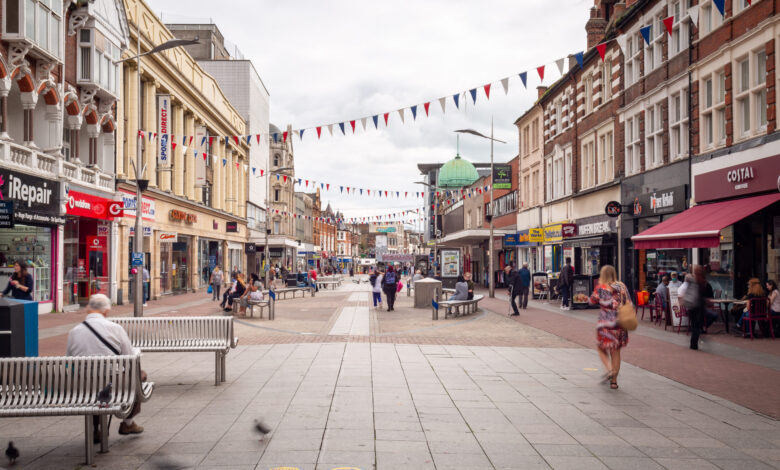
Southend Highstreet continues to be the centre of shopping, business and everyday life in Southend-on-Sea. Located in one of Essex’s most recognisable seaside destinations, the High Street connects the city centre with major shopping areas, railway links, cafés, restaurants and the famous seafront. While many UK high streets have faced challenges from online shopping and changing customer habits, Southend Highstreet is entering a new phase focused on creating a more flexible destination where shopping, leisure, community spaces and local businesses can work together.
In recent years, the area has experienced both challenges and improvements. Some traditional retailers have disappeared, while new businesses, entertainment venues and investment projects have changed the character of the city centre. Current plans aim to make the area greener, more attractive and easier to enjoy, with improvements designed to encourage visitors to spend more time in the town centre. This guide explores the latest changes, shopping options, food choices, transport information and what the future could bring for Southend Highstreet.
Southend Highstreet Today: What Visitors Can Expect
Southend Highstreet remains the main pedestrian shopping route through the heart of Southend-on-Sea. Stretching between the seafront area and the northern part of the town centre, it provides access to two major shopping centres, The Victoria Centre and The Royals Shopping Centre, alongside independent shops, cafés and essential services. Unlike a traditional shopping street that focuses only on retail, the modern High Street is becoming a place where visitors can combine shopping with entertainment, dining and leisure activities.
The atmosphere of Southend Highstreet has changed significantly over time. Some shoppers remember a town centre dominated by large department stores and well-known chains, while today’s version has a different mix of businesses. Independent traders, food outlets, discount retailers and experience-based businesses are becoming increasingly important. The aim is to create a city centre that offers reasons to visit beyond simply buying products, reflecting the wider changes happening across British high streets.
Shopping on Southend Highstreet: Stores and Retail Areas
One of the biggest attractions of Southend Highstreet is the variety of shopping available in a relatively compact area. The Victoria Centre and The Royals Shopping Centre provide covered shopping spaces with a mixture of national retailers, cafés and leisure businesses. The Victoria Centre sits at the northern end of the High Street, while The Royals connects shoppers closer to the seafront, making it easy to explore both indoor and outdoor retail areas during one visit.
The retail experience is also supported by smaller businesses located throughout the town centre. Independent shops bring variety that cannot always be found in large shopping centres, offering specialist products, services and local character. Recent changes show that Southend is moving toward a mixed retail model where larger brands, smaller traders and leisure businesses all contribute to the identity of Southend Highstreet. The success of the area will depend on maintaining this balance while attracting new investment.
New Businesses, Retail Changes and Empty Shops
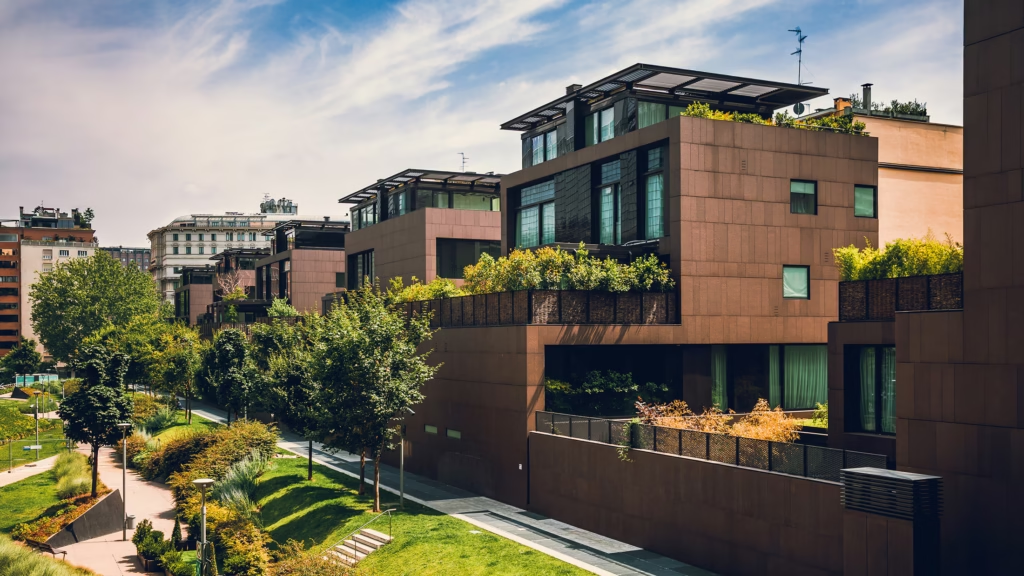
Like many UK town centres, Southend Highstreet has experienced changes in its retail landscape. Some well-known stores have closed because of wider pressures affecting physical retail, including rising costs, changing customer habits and competition from online shopping. However, empty units are also creating opportunities for new businesses, independent retailers and alternative uses that can bring more activity back into the city centre.
A notable recent development was the opening of B&M at The Victoria Centre in 2025, replacing the former Wilko unit. The arrival brought new employment opportunities and helped fill a previously vacant large retail space. The council has also supported schemes aimed at bringing empty commercial properties back into use, recognising that active shopfronts and occupied buildings are important for creating a successful town centre.
Restaurants, Cafés and Leisure Around Southend Highstreet
Shopping is no longer the only reason people visit Southend Highstreet. Food, cafés and leisure experiences have become an important part of the town centre’s appeal. Visitors can take a break from shopping with coffee shops, casual dining options, restaurants and takeaway choices available throughout the central area. This combination makes the High Street suitable for short visits as well as longer days exploring Southend.
The connection between the High Street and the seafront also gives the area an advantage compared with many inland shopping centres. Visitors can combine retail visits with attractions such as Southend Pier, coastal walks and entertainment venues. This relationship between shopping and tourism helps make Southend Highstreet different from many standard town centres because people often visit for the overall experience rather than only for shopping.
Getting to Southend Highstreet and Visitor Information
Accessibility is one of the strongest features of Southend Highstreet. The area is served by two railway stations: Southend Central and Southend Victoria, allowing visitors from London and surrounding Essex areas to reach the shopping district easily. The pedestrianised layout makes walking around the centre comfortable, while nearby parking facilities provide options for those arriving by car.
For visitors planning a trip to Southend Highstreet, combining the shopping area with the wider town centre can create a more complete experience. A typical visit may include browsing shops, stopping at a café, exploring nearby attractions and walking toward the seafront. The location makes it practical for families, day visitors and local residents who want access to shopping, food and entertainment in one area.
Southend Highstreet Regeneration and Future Improvements
The future of Southend Highstreet is closely connected with regeneration plans designed to improve the appearance and usability of the city centre. Southend-on-Sea City Council has outlined plans to create a greener and more welcoming High Street with improvements such as additional planting, seating areas, shade and better public spaces. These changes aim to encourage people to stay longer in the area and create a more attractive environment for businesses and visitors.
Regeneration is not only about making the High Street look better; it is also about adapting the area to modern expectations. Successful city centres now need a mixture of retail, leisure, hospitality, community uses and flexible spaces. Southend’s wider plans focus on improving connections between the town centre and seafront while supporting a more diverse city-centre economy.
What Makes Southend Highstreet Worth Visiting?
The appeal of Southend Highstreet comes from its combination of convenience, history and location. Visitors can enjoy a traditional shopping experience while also being close to one of England’s most famous seaside attractions. The ability to move easily between shops, restaurants, entertainment venues and the waterfront gives the area a wider appeal than many ordinary retail streets.
Another important factor is community identity. Local businesses, markets, events and independent traders help create a sense of place that cannot be replicated by online shopping. While the High Street continues to change, its role as a meeting place remains important. The future success of Southend Highstreet will depend on maintaining this local character while continuing to welcome new businesses and ideas.
Conclusion
Southend Highstreet is currently experiencing a period of transformation. Although the area has faced the same pressures affecting many UK shopping streets, it continues to evolve through new businesses, regeneration plans and a stronger focus on leisure and community experiences. The combination of major shopping centres, independent retailers, transport connections and its link to the seafront gives Southend a strong foundation for future growth.
The next stage of development will be about creating a balanced city centre where people visit not only to shop but also to eat, explore, socialise and enjoy the atmosphere. With continued investment and support for businesses, Southend Highstreet has the opportunity to remain an important part of Southend-on-Sea’s identity for residents and visitors.
FAQs
What shops are on Southend Highstreet?
Southend Highstreet has national retailers, independent shops, services and additional stores inside The Victoria Centre and The Royals Shopping Centre.
Is Southend Highstreet good for shopping?
Yes, it offers a mixture of retail stores, cafés, leisure venues and nearby attractions, making it suitable for different types of visitors.
What changes are happening on Southend Highstreet?
The area is undergoing improvements focused on greener public spaces, better visitor facilities and regeneration of the town centre.
How do I get to Southend Highstreet?
Visitors can reach the area using Southend Central and Southend Victoria railway stations, along with local bus services and nearby parking options.
Is Southend Highstreet close to the seafront?
Yes, the High Street connects easily with the seafront area, including Southend Pier and other coastal attractions.
You May Also Read: Anthony Gordon Net Worth