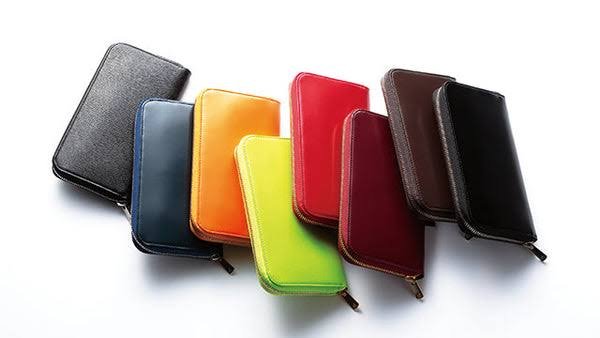
When preparing for a trip to Japan, most travellers think about flights, accommodation, rail passes, and sightseeing plans, but one small item can have a surprisingly big impact on daily convenience: your wallet. Japan has a unique payment environment where modern technology and traditional cash payments exist together. While contactless payments and mobile options are becoming more common, cash and coins remain important for many everyday situations, especially when visiting smaller restaurants, local shops, temples, markets, and vending machines.
Choosing the right wallet for Japan is not simply about carrying money. A suitable travel wallet should help you manage Japanese yen notes, coins, payment cards, IC transport cards, and receipts without becoming bulky or difficult to use. The best option is one that matches the way you travel and makes everyday purchases easier while exploring Japan.
Why You Need the Right Wallet for Japan Travel
Japan’s currency system can surprise international visitors because coins are used much more frequently than in many countries. The Japanese yen includes several coins, including ¥1, ¥5, ¥10, ¥50, ¥100, and ¥500, and these are commonly used for small purchases. Whether you are buying a drink from a vending machine, paying at a convenience store, or making a small donation at a temple, having easy access to coins can make transactions much faster.
A standard wallet designed mainly for cards and paper money may not be convenient during a Japan trip. Without a proper coin section, travellers often end up searching through bags or pockets for loose change. A wallet with a dedicated coin compartment allows you to separate coins from notes and avoid the frustration of carrying scattered change throughout the day.
The right wallet also helps during busy travel moments. Japan often involves frequent train journeys, walking through crowded stations, visiting attractions, and making many small purchases. A compact and organised wallet allows you to pay quickly while keeping important items secure.
Understanding Cash and Digital Payments in Japan
Although Japan is known for its advanced technology, cash remains an important part of daily life. Many large stores, hotels, and chain businesses accept cards, but smaller restaurants, traditional shops, local attractions, and rural locations may still prefer cash payments. Travellers who rely only on cards may find themselves in situations where having yen available is necessary.
A practical Japan travel wallet should support a combination of payment methods. Most visitors will use a mixture of Japanese yen, credit or debit cards, and IC cards such as Suica or Pasmo. Keeping these items organised in one place makes it easier to switch between payment methods depending on where you are shopping or travelling.
Digital payments are growing in popularity, particularly in major cities such as Tokyo, Osaka, and Kyoto. However, carrying some cash remains a smart choice because payment options can vary between businesses. A balanced approach gives travellers more flexibility and prevents problems when visiting smaller locations.
Important Features of the Best Wallet for Japan
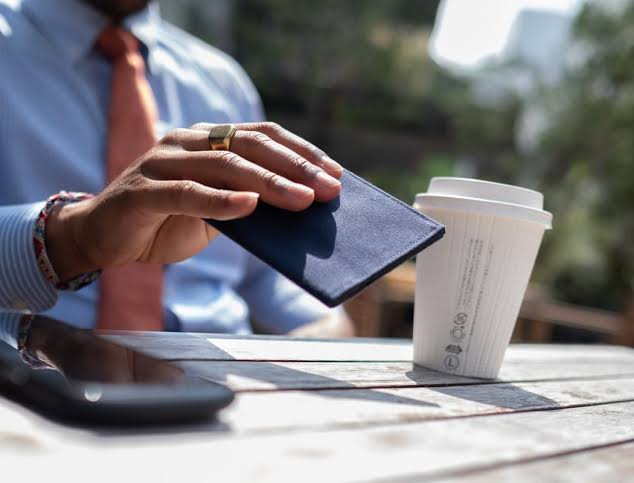
The most important feature of a wallet for Japan is a good coin compartment. Since coins are used regularly, a wallet with a secure zipper pocket or separate coin area can make daily payments much easier. This is especially useful when dealing with ¥100 and ¥500 coins, which visitors often collect quickly during their trip.
A comfortable cash section is also essential. Japanese yen notes are commonly used alongside coins, so your wallet should have enough space to hold bills without excessive folding. Separating different payment types helps you find money quickly when paying at shops, restaurants, or transport stations.
Card accessibility is another important factor. Travellers usually carry multiple cards, including bank cards, credit cards, identification, and transport cards. A wallet with easy-to-reach card slots makes it simpler to tap an IC card at train gates or make quick payments without searching through compartments.
Durability and size should also be considered. A wallet that is too large can become inconvenient during long sightseeing days, while a very small wallet may not provide enough storage. The ideal option is lightweight, secure, and comfortable enough for daily use.
Different Wallet Styles for Different Japan Travellers
The best wallet depends on your travel habits. Minimalist travellers may prefer a slim wallet that carries only essential cards, a small amount of cash, and an IC card. This option works well for people who want to travel light and avoid carrying unnecessary items during day trips.
A compact wallet with a coin pocket is often the best choice for first-time visitors. It provides enough space for Japanese yen, coins, and cards while remaining easy to carry. This type of wallet works well for most tourists because it balances convenience and practicality.
Long-term travellers or families may prefer a larger travel wallet with multiple compartments. These wallets can store extra cards, different currencies, receipts, and other travel essentials. However, carrying too many items can make a wallet uncomfortable, so it is important to keep only what you actually need.
Some travellers also choose a slim card holder combined with a separate coin pouch. This approach is popular because it keeps payment cards easily accessible while allowing coins to be stored separately. It can be especially useful in Japan because coins are such an important part of everyday transactions.
Using Your Wallet with Suica, Pasmo, and Other IC Cards
Public transportation is one of the biggest parts of daily travel in Japan, and IC cards make moving around much easier. Cards such as Suica and Pasmo are commonly used for trains, buses, convenience stores, vending machines, and some restaurants. Keeping your IC card in an easily accessible wallet slot saves time when entering and leaving stations.
A wallet designed for travel should allow quick card access without forcing you to remove everything each time. Busy train stations can become crowded, and being able to tap your card quickly makes the experience smoother.
Travellers should also remember that IC cards are not a replacement for cash in every situation. While they are convenient for many purchases, some businesses may still require physical money. A good wallet allows you to carry both options comfortably.
How to Organise Yen, Coins, Cards, and Receipts
Keeping your wallet organised can make everyday travel in Japan much easier. Separate coins from notes, keep frequently used cards in accessible slots, and avoid filling your wallet with unnecessary items. A clutter-free wallet helps you make faster payments and reduces the chance of losing important items.
Receipts are another detail travellers should consider. Japanese shops often provide receipts, and visitors can collect many throughout their trip. Keeping receipts in a separate section prevents them from mixing with cash and payment cards.
It is also useful to organise your wallet before leaving your hotel each day. Carry the amount of cash you expect to use, keep backup payment options available, and remove documents or cards that are not necessary. This keeps your wallet lighter and easier to manage while exploring.
Wallet Safety Tips for Travelling in Japan
Japan is generally considered a safe destination, but travellers should still protect their personal belongings. Busy train stations, shopping areas, and popular tourist attractions can become crowded, making it important to keep your wallet secure and easily controlled.
Avoid carrying every valuable item in one wallet. Keeping a backup payment method separately can help if your main wallet is lost or misplaced. It is also a good idea to avoid carrying unnecessary cards or large amounts of cash during everyday sightseeing.
A secure wallet with a reliable closure, durable material, and comfortable design can reduce travel stress. The goal is not only protecting your money but also making daily activities easier and more enjoyable.
What Should You Carry in Your Wallet During a Japan Trip?
Most travellers do not need to carry a large amount of items. A practical wallet setup usually includes Japanese yen, one or two payment cards, an IC transport card, identification, and any essential travel-related cards. Keeping your wallet simple makes it easier to use throughout the day.
The amount of cash you carry depends on your destination and travel style. Visitors staying mainly in large cities may use cards and digital payments more often, while those exploring smaller towns should keep more yen available. Having both options provides the most flexibility.
A good wallet should support your journey rather than become something you constantly manage. The right design helps you pay faster, stay organised, and enjoy your Japan experience with fewer small frustrations.
Conclusion
The best wallet for Japan is one that matches the country’s unique combination of cash, coins, and digital payments. A wallet with a coin compartment, organised card storage, and enough space for Japanese yen can make everyday travel much more convenient.
For most visitors, a compact travel wallet with coin storage and easy IC card access is the most practical choice. Whether you are exploring Tokyo streets, visiting Kyoto temples, or travelling through smaller towns, having an organised wallet allows you to focus on the experience instead of worrying about managing money.
Frequently Asked Questions
What is the best type of wallet for a Japan trip?
A compact wallet with a coin pocket, card slots, and space for Japanese yen is usually the best option.
Do I need a coin wallet when visiting Japan?
Yes, a coin compartment is very useful because Japanese coins are commonly used for daily purchases.
Should I carry cash or cards in Japan?
Carry both. Cards are useful in many places, but cash is still needed at some smaller businesses.
Can I keep my Suica or Pasmo card in my wallet?
Yes, a wallet with an easy-access card slot is convenient for using IC transport cards.
How can I keep my money safe while travelling in Japan?
Use a secure wallet, carry only necessary items, and keep backup payment options
You May Also Read: Living in Worthing