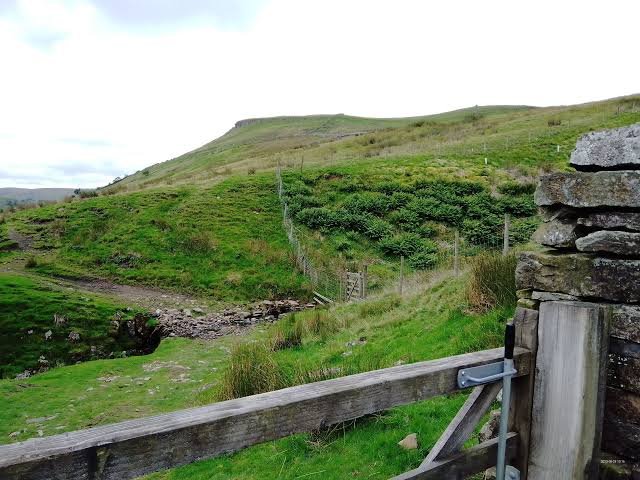
A fell wall is a traditional dry stone wall found in the upland areas of Northern England, especially across the Lake District and Cumbria. These walls are not simply ordinary stone boundaries; they have a specific role in the countryside by separating enclosed farmland from open fell land where sheep and other livestock graze. Built from local stone without mortar, fell walls represent a close relationship between farming, landscape, and traditional craftsmanship.
The word “fell” comes from an Old Norse term linked to mountains and high ground, which explains why these walls are associated with rugged upland environments. For centuries, fell wall have helped farmers manage animals, protect fields, and organize land use in challenging landscapes. Today, they are valued not only for their practical purpose but also for their cultural, environmental, and historical importance.
Understanding the Meaning of a Fell Wall
A fell wall is a dry stone boundary built in upland regions where hills, mountains, and open grazing areas dominate the landscape. The main purpose of these walls has traditionally been to control the movement of livestock, especially sheep, by creating a clear division between farmland and open fell areas. Unlike modern fences, fell walls are created entirely from carefully arranged stones, allowing them to become a permanent part of the landscape.
The key difference between a fell wall and a general dry stone wall is its connection with upland farming. While many dry stone walls can be found throughout Britain, fell walls are particularly linked with the boundary between enclosed fields and higher grazing land. They reflect the needs of communities that depended on sheep farming and had to manage animals across difficult mountain terrain.
For walkers exploring northern England, a fell wall is often a familiar sight along mountain paths and valleys. These walls may appear simple, but every section represents careful planning, local knowledge, and generations of maintenance. They are landmarks that reveal how people have adapted to the natural environment over hundreds of years.
Fell Walls in the Lake District Landscape
The Lake District is one of the most recognized areas for fell walls because its mountains, valleys, and farming traditions have created the perfect environment for these structures. Across Cumbria, stone walls can be seen following hillsides, crossing valleys, and marking the transition between farmland and open fell. They have become an important part of the region’s visual identity.
In the Lake District, fell walls are closely connected with sheep farming. Farmers used these boundaries to guide livestock, protect lower fields, and manage grazing areas. The walls also helped organize land ownership and farming practices in areas where the terrain made traditional fencing difficult.
For visitors, fell walls add character to walking routes and countryside views. Many hikers encounter them while exploring mountain paths, and they often serve as useful landscape markers. Their presence shows that the Lake District is not only a natural environment but also a working landscape shaped by generations of farming communities.
The History Behind Traditional Fell Walls
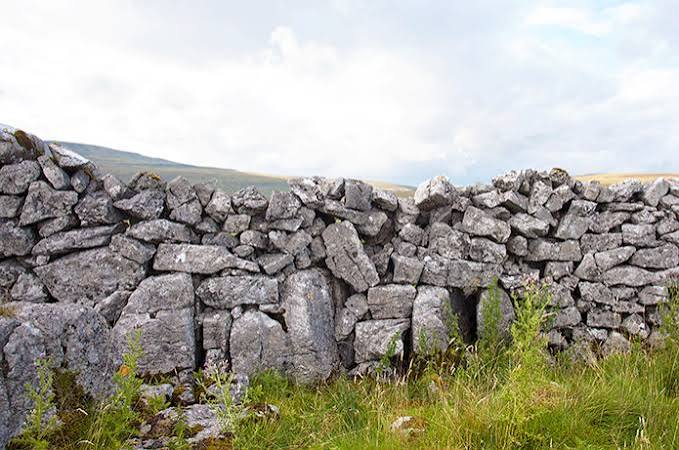
The history of fell walls is deeply connected with the development of rural communities in northern England. Before modern machinery and fencing materials existed, farmers relied on resources available around them. Stones collected from fields and hillsides were carefully arranged into strong boundaries that could survive the region’s demanding weather conditions.
During periods when agricultural land management changed, particularly through enclosure and the organization of farming areas, many stone walls were created or strengthened. These boundaries allowed farmers to divide land more effectively and manage livestock. Skilled wall builders developed techniques that were adapted to local stone types and regional landscapes.
Over time, fell walls became more than practical farming structures. They became symbols of local identity and traditional knowledge. The methods used to create them were passed down through generations, preserving a craft that remains important in parts of Britain today.
How Fell Walls Are Built Without Mortar
The construction of a fell wall requires skill, patience, and an understanding of how stones naturally fit together. Unlike brick or concrete walls, dry stone walls do not use mortar to hold materials in place. Instead, their strength comes from careful stone selection, weight distribution, and the precise arrangement of each piece.
Builders usually begin with large foundation stones that create a stable base. Smaller stones are then placed inside the structure to strengthen the wall, while larger connecting stones help hold both sides together. The upper section is finished with carefully positioned coping stones that protect the wall and improve stability.
This traditional method allows fell walls to handle movement caused by weather, temperature changes, and ground conditions. A well-built wall can survive for generations because it works with the landscape rather than resisting it. The craftsmanship involved explains why dry stone walling continues to be respected as a specialist rural skill.
Fell Walls and Their Role in Sheep Farming
For centuries, sheep farming has been one of the main reasons fell walls were created and maintained. The open hills of northern England provided valuable grazing areas, but farmers needed reliable ways to control where animals moved. Fell walls helped separate grazing land from fields where crops or other activities were taking place.
These walls also reduced the need for artificial materials and provided a long-lasting solution using resources already available in the environment. Unlike temporary barriers, stone walls could remain functional for many decades when properly maintained.
Even today, many farmers continue to value traditional walls because they support practical land management while preserving the appearance of historic landscapes. A fell wall is therefore both a working agricultural feature and a reminder of traditional farming methods.
What Does “Above the Highest Fell Wall” Mean?
The phrase “above the highest fell wall” is commonly mentioned in discussions about walking and wild camping in the Lake District. It refers to the open upland areas beyond the upper boundary walls that separate enclosed farmland from higher fell terrain.
Understanding this phrase helps visitors recognize how the landscape is organized. Fell walls often represent the point where managed farmland ends and more open mountain environments begin. For responsible outdoor activities, these boundaries help people understand where they are in relation to farmland, wildlife, and local land use.
Walkers who explore the Lake District often encounter these walls during mountain journeys. They provide a connection between outdoor recreation and the long history of farming that shaped the region.
Environmental Importance of Fell Walls
Although fell walls were originally created for farming, they also provide valuable environmental benefits. The spaces between stones create small habitats where insects, plants, and small animals can survive. Mosses, lichens, and other vegetation often grow on older walls, adding to the biodiversity of upland areas.
Because these walls use natural materials and blend into their surroundings, they have a smaller environmental impact than many modern alternatives. They demonstrate how traditional construction methods can support both human needs and natural ecosystems.
Fell walls also contribute to landscape conservation. Protecting them helps maintain historic countryside views while supporting the relationship between agriculture and nature. They are examples of how human-made structures can become part of the environment over time.
Challenges Facing Fell Walls Today
Despite their strength, many fell walls require regular care and repair. Heavy rainfall, frost, erosion, and changes in farming practices can damage sections of old walls. Without maintenance, small areas of weakness can eventually lead to larger collapses.
Another challenge is preserving the traditional skills needed to build and repair these structures. Dry stone walling requires experience and practical knowledge, and fewer people practice the craft compared with earlier generations. Training programs and heritage organizations continue working to keep these skills alive.
Maintaining fell walls is important because they represent more than physical boundaries. They preserve stories about farming, landscape management, and the communities that shaped northern England.
Why Fell Walls Still Matter Today
Fell walls remain important because they connect the past with the present. They continue to support farming while also attracting visitors who appreciate the beauty and history of rural landscapes. A walk beside a fell wall offers more than a scenic view; it provides a glimpse into centuries of human interaction with nature.
In a modern world filled with artificial materials and fast construction, fell walls show the value of patience, craftsmanship, and sustainable building methods. Their survival demonstrates that traditional knowledge can remain useful even as landscapes continue to change.
Whether found along a mountain trail, beside a valley, or across open countryside, a fell wall represents resilience. It is a structure built from the land that continues to tell the story of the people who shaped it.
Conclusion
A fell wall is much more than a stone boundary. It is a symbol of upland farming, regional history, environmental balance, and traditional craftsmanship. These walls have helped define the landscapes of Northern England while continuing to serve practical purposes for modern communities.
Understanding the meaning and importance of fell walls allows people to appreciate the hidden stories within these historic structures. From supporting sheep farming to providing wildlife habitats and preserving rural character, fell walls remain an essential part of Britain’s countryside heritage.
FAQs
What is a fell wall?
A fell wall is a traditional dry stone wall found in upland Britain that separates enclosed farmland from open fell grazing areas and helps manage livestock.
Where can you find fell walls?
Fell walls are mainly found in Northern England, especially in the Lake District, Cumbria, and other upland farming regions.
Are fell walls different from ordinary dry stone walls?
Yes. A fell wall is a specific type of dry stone wall associated with upland landscapes, open grazing areas, and traditional farming boundaries.
Why are fell walls important in the Lake District?
Fell walls help preserve the region’s farming heritage, support livestock management, and contribute to the distinctive appearance of the landscape.
What does “above the highest fell wall” mean?
It refers to the open fell areas beyond the upper boundary walls, a phrase often used when discussing walking and responsible wild camping in upland areas.
You May Also Read: Star Trek Joke