
The willow tree is one of the most recognizable and emotionally evocative trees in the natural world. Known for its long, flowing branches and delicate leaves, the willow tree has inspired artists, poets, gardeners, and nature lovers for centuries. Its graceful appearance gives it a calming presence, often associated with water, reflection, and quiet strength. Found near rivers, lakes, and wetlands, willow trees thrive where moisture is abundant, making them a symbol of adaptability and survival.
Beyond beauty, the willow’tree plays an important ecological and cultural role. It supports wildlife, stabilizes soil, and has been used for practical and medicinal purposes throughout history. From ancient civilizations to modern landscaping, willow’trees continue to hold significance across different cultures and environments. This article explores the meaning, types, benefits, uses, and care of willow trees, offering a complete guide for readers who want to understand why this tree remains so valued today.
What Is a Willow Tree?
A willow tree belongs to the genus Salix and is known for its fast growth and flexible branches. These trees are typically deciduous, meaning they shed their leaves annually. Willow leaves are long, narrow, and soft in texture, often light green or silvery in color. The bark varies by species but is usually rough and grayish-brown as the tree matures. One of the defining characteristics of willow’trees is their strong association with water-rich environments.
Willow trees are naturally found across the Northern Hemisphere, including Europe, Asia, and North America. They thrive in moist soil and are commonly seen along riverbanks, lakeshores, and floodplains. Their extensive root systems allow them to absorb large amounts of water, which helps prevent erosion. This adaptability makes the willow tree both resilient and environmentally valuable, especially in areas prone to flooding.
Types of Willow Trees
There are more than 400 species of willow’trees, each with unique characteristics and uses. The weeping willow is the most famous variety, instantly recognizable by its long, cascading branches that touch the ground. It is widely used as an ornamental tree in parks and gardens due to its dramatic and peaceful appearance. Weeping willows grow rapidly and can reach impressive sizes within a short period.
Other popular types include the white willow, known for its pale leaves and historical medicinal use, and the pussy willow, valued for its soft catkins that appear in early spring. Dwarf and shrub willows are also common, especially in colder regions, where they serve as ground cover or small decorative plants. Each type of willow tree offers different benefits, making the genus highly versatile for landscaping and environmental use.
Willow Tree Symbolism and Cultural Meaning
The willow tree holds deep symbolic meaning across cultures and time periods. Traditionally, it represents flexibility, resilience, and emotional healing. Because willow branches bend without breaking, the tree is often seen as a symbol of strength through adaptability. In many cultures, it is associated with grief and mourning, yet also with renewal and hope.
In literature and folklore, willow’trees frequently appear in scenes of reflection and transformation. Poets have used the willow to symbolize sadness, memory, and introspection, while spiritual traditions associate it with intuition and inner wisdom. In modern times, the willow tree continues to be used as a symbol of balance—between sorrow and healing, strength and gentleness—making it one of the most emotionally resonant trees in human culture.
Benefits of Willow Trees
Willow trees offer numerous environmental benefits. Their extensive root systems help stabilize soil and prevent erosion, especially along riverbanks and wetlands. They also play a role in improving water quality by absorbing excess nutrients and pollutants. These qualities make willow’trees valuable in ecological restoration projects and sustainable land management.
In addition to environmental benefits, willow’trees support biodiversity. They provide shelter and food for birds, insects, and small mammals. Willow bark has also been historically used for medicinal purposes, as it contains salicin, a compound related to aspirin. This combination of ecological, medicinal, and aesthetic benefits makes the willow tree a truly multifunctional plant.
Willow Tree Uses in Landscaping
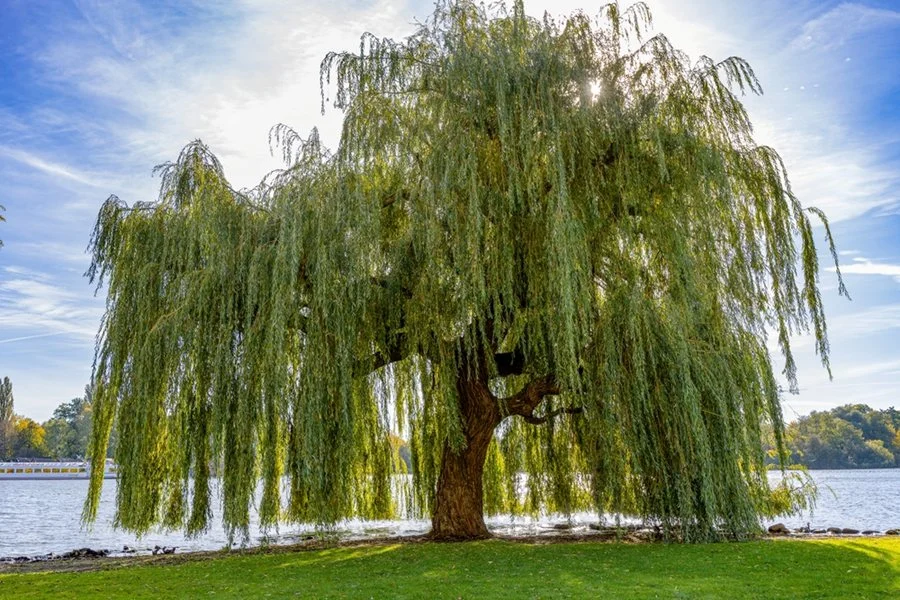
In landscaping, willow trees are prized for their visual impact and fast growth. They are commonly planted in large gardens, parks, and near water features, where their flowing branches create a tranquil atmosphere. Willow’trees are particularly effective as focal points in landscape design, offering shade and movement that few other trees can match.
However, careful planning is essential. Willow’trees require ample space due to their wide root systems and size at maturity. When planted correctly, they can transform outdoor spaces into serene, natural retreats. Their ability to thrive in wet soil also makes them ideal for areas where other trees struggle to grow.
How to Grow and Care for a Willow Tree
Growing a willow’tree is relatively easy, making it a popular choice for gardeners. Willows prefer moist, well-drained soil and full sunlight. They grow quickly and can be propagated easily from cuttings, which makes them accessible even for beginner gardeners. Regular watering is essential, especially during the early stages of growth.
Maintenance involves periodic pruning to manage size and remove weak or damaged branches. While willow trees are generally low-maintenance, they do require space and consistent moisture. With proper care, a willow’tree can grow rapidly and remain healthy for decades, providing beauty and environmental benefits year after year.
Common Problems and Diseases
Despite their resilience, willow’trees are susceptible to certain problems. Common pests include aphids and beetles, which can damage leaves and weaken the tree. Fungal diseases such as willow scab and root rot may occur, especially in poorly drained soil. Early detection and proper care can prevent most serious issues.
Root systems can also cause structural concerns if planted too close to buildings or underground pipes. For this reason, careful site selection is crucial. When managed responsibly, these challenges can be minimized, allowing the willow’tree to thrive without causing long-term problems.
Willow Tree Growth and Lifespan
Willow trees are known for their rapid growth, often adding several feet per year under ideal conditions. This fast growth makes them attractive for quick landscaping results. However, it also means they may have a shorter lifespan compared to slower-growing trees. Most willow’trees live between 30 and 75 years, depending on species and care.
Healthy growth depends on water availability, soil quality, and proper maintenance. Regular pruning and disease management can extend the lifespan of a willow’tree, ensuring it remains strong and visually appealing throughout its life.
Environmental Impact of Willow Trees
Willow’trees play a vital role in environmental conservation. Their ability to control erosion and support wetlands makes them essential in protecting natural waterways. They also contribute to carbon absorption, helping reduce the impact of climate change on a local level.
While their aggressive roots require careful placement, the overall environmental benefits of willow’trees far outweigh the drawbacks. When used responsibly, they are a powerful natural tool for sustainability and habitat protection.
Conclusion
The willow’tree is a remarkable blend of beauty, symbolism, and environmental value. From its graceful appearance to its practical benefits, it has earned a lasting place in landscapes and cultures around the world. Whether admired for its symbolism, planted for erosion control, or chosen for garden design, the willow tree continues to stand as a symbol of resilience and natural harmony.
Frequently Asked Questions (FAQs)
What is the meaning of a willow tree?
It commonly symbolizes flexibility, healing, and emotional resilience.
How fast does a willow tree grow?
Willow trees grow very fast, often several feet per year.
Are willow trees suitable for small gardens?
Most varieties are better suited to large spaces due to their size and roots.
Do willow trees have invasive roots?
Yes, their roots spread widely and should be planted away from structures.
How long do willow trees live?
On average, willow trees live between 30 and 75 years.
Are willow trees easy to maintain?
Yes, with enough water, space, and occasional pruning, they are relatively easy to care for.
You May Also Read: Tommy Robinson