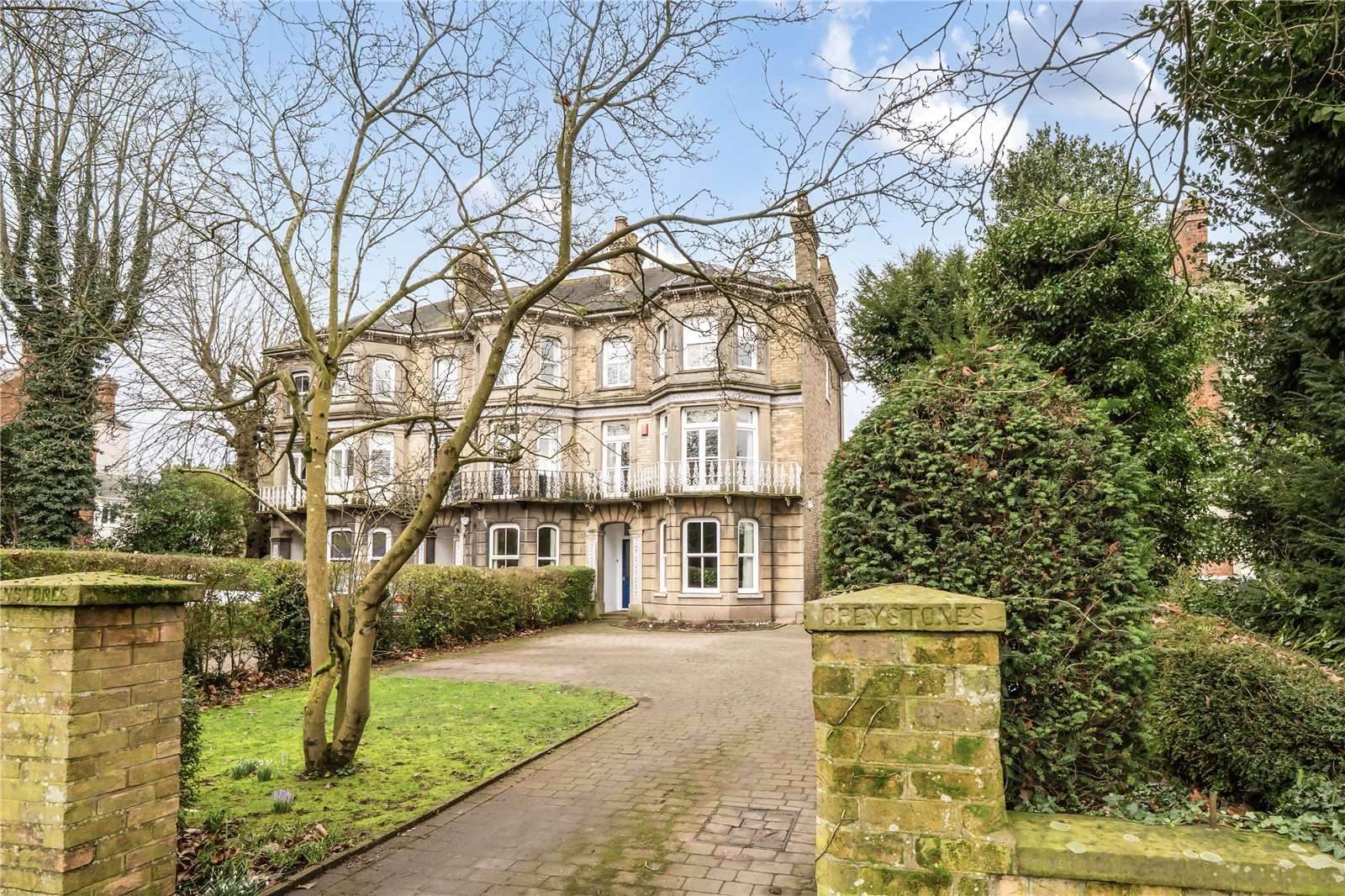
Pinchbeck Lincs is a Lincolnshire village where local history, Fenland scenery and everyday village life come together just north of Spalding. Official parish information reports a population of 6,011 at the 2021 Census, compared with 5,455 in 2011. Although Pinchbeck is not a conventional tourist centre packed with major attractions, that is part of its appeal. Visitors come across an established community surrounded by the broad, low-lying landscape for which this part of Lincolnshire is known.
There are several good reasons to explore Pinchbeck Lincs in 2026. St Mary’s Church preserves evidence of the area’s long religious and architectural history, while the name Pinchbeck has an intriguing connection with an eighteenth-century metal alloy. Nature lovers can also discover Pinchbeck Slipe, a protected wetland and grassland reserve near West Pinchbeck. Together, these features make the village useful for travellers interested in local heritage, wildlife and quieter places away from heavily commercialised destinations.
Where Is Pinchbeck Lincs?
Pinchbeck Lincs is a village and civil parish within the South Holland district of Lincolnshire. It lies approximately two miles north of the centre of Spalding, placing residents and visitors within easy reach of a larger market town while preserving Pinchbeck’s own village identity. The surrounding area is part of the Lincolnshire Fens, a landscape distinguished by flat agricultural land, drainage waterways and wide horizons. Agriculture and water management have influenced how communities developed across this part of the county.
Its proximity to Spalding is important for anyone planning a visit to Pinchbeck Lincs. The two locations can easily form part of the same itinerary rather than being treated as completely separate destinations. Pinchbeck provides the historic village and countryside experience, while Spalding offers a wider selection of shops, services and other facilities. Visitors should check current routes and public transport information before travelling, especially when planning to explore rural locations beyond the main village.
The Story Behind Pinchbeck Lincs
Pinchbeck Lincs has roots stretching far beyond its modern residential development. Interpretations of the place name have included meanings such as “Minnow Stream” and “Finch Ridge,” reflecting the difficulty of establishing one definitive origin for names that developed over many centuries. The parish itself also changed over time. Historical boundary adjustments and population growth gradually shaped the modern community, while agriculture remained closely connected with the economy and physical character of the surrounding Fenland.
One particularly interesting story associated with Pinchbeck Lincs involves Christopher Pinchbeck, an eighteenth-century clockmaker and inventor whose family had connections with the area. His name became associated with Pinchbeck metal, a copper-and-zinc alloy made to resemble gold. It became known for decorative uses, including jewellery and watch-related items. This unusual connection gives the village name a place in the history of British craftsmanship and makes Pinchbeck more than simply another settlement on the Lincolnshire map.
Discovering St Mary’s Church
St Mary’s Church is among the most significant historic buildings in Pinchbeck Lincs. The site has a long religious history, while surviving parts of the present building reveal architectural development across different periods. Norman features remain within the church, and later medieval additions demonstrate how it evolved as generations of worshippers used and altered the building. This layered history makes St Mary’s particularly interesting for visitors who enjoy old churches, architecture and the development of English rural communities.
The church’s fifteenth-century hammer-beam roof is one of its notable architectural elements, while other details connect the building with important families from the area’s past. Rather than treating St Mary’s simply as a sightseeing stop, it is more useful to view it as a record of changing village life. Anyone hoping to explore the interior should confirm current opening or visitor arrangements beforehand. As an active place of worship, access may depend on services, events and other local circumstances.
Things to Do in Pinchbeck Lincs

A visit to Pinchbeck Lincs is best suited to people who appreciate local history and relaxed countryside exploration. Walking around the village provides an opportunity to notice how older buildings and historic features sit alongside newer residential areas. St Mary’s Church is an obvious heritage stop, while the surrounding Fenland gives the area its distinctive visual character. Photographers may particularly appreciate the broad horizons and changing skies that make low-lying Lincolnshire landscapes dramatically different in different weather conditions.
Instead of expecting a long list of commercial attractions, visitors to Pinchbeck Lincs can use the village as part of a slower day exploring South Holland. Nearby Spalding can provide additional stops, refreshments and facilities, while the countryside around Pinchbeck introduces visitors to the agricultural and wetland environments that have shaped the region. This approach creates a more authentic experience than presenting ordinary village amenities as tourist attractions simply to make an itinerary appear longer.
Pinchbeck Slipe and Local Wildlife
For nature enthusiasts, Pinchbeck Slipe is one of the most worthwhile places associated with Pinchbeck Lincs. The Lincolnshire Wildlife Trust manages this nature reserve near West Pinchbeck, where wet grassland, pools and other habitats provide feeding and breeding opportunities for wildlife. The reserve covers approximately 22 hectares and offers an example of how valuable wetland environments can survive within a landscape that has been extensively influenced by agriculture and drainage.
Birdwatching is one of the main reasons to visit. Species observed in the area can vary with the season, with reed-associated birds and waterbirds using the reserve at different times of year. Barn owls may also hunt across suitable grassland. Current visitor information should always be checked before travelling because ground conditions and wildlife management can affect the experience. The reserve has uneven grass tracks, and dogs are not permitted except assistance dogs, so visitors should plan accordingly.
Understanding the Fenland Landscape
To understand Pinchbeck Lincs properly, it helps to understand the Fens surrounding it. This is an unusually flat part of England where water has influenced settlement, farming and transport for centuries. Drainage systems helped transform wet landscapes into highly productive agricultural land, leaving behind a countryside crossed by channels and waterways. The result is an environment where human engineering and natural processes remain closely connected, even though that relationship may not be immediately obvious to someone simply driving through the area.
The Fenland setting also explains why nature reserves are important around Pinchbeck Lincs. Wetlands, grasslands and waterways can support birds and other wildlife that depend on habitats increasingly fragmented elsewhere. Visitors interested in nature can therefore gain more from the landscape by looking beyond traditional ideas of scenic countryside. The appeal here is not hills or dramatic cliffs but open skies, water, seasonal wildlife and the subtle changes found across a working agricultural environment.
Planning a Visit to Pinchbeck Lincs
Good planning makes a visit to Pinchbeck Lincs more rewarding because attractions and facilities are spread across the village and surrounding countryside. St Mary’s Church, Pinchbeck Slipe and nearby Spalding offer different experiences rather than forming a single tourist complex. Travellers should check current opening information, reserve guidance and transport options before leaving home. Comfortable footwear is sensible when visiting natural areas, particularly after wet weather when rural paths can become difficult.
Pinchbeck Lincs can work particularly well as part of a wider South Holland day trip. Visitors might spend time discovering village history before moving on to wildlife or nearby Spalding rather than trying to fill an entire day within a small geographical area. This approach respects what Pinchbeck genuinely offers and avoids exaggerating ordinary facilities into attractions. Seasonal conditions matter too, especially for birdwatching and countryside photography, so the experience can differ significantly depending on when you visit.
Living in Pinchbeck Lincs
Pinchbeck Lincs is also searched by people considering the area as somewhere to live. Its proximity to Spalding is an obvious practical feature, allowing residents to live within a village community while remaining close to the services of a larger town. Census figures reported by the parish show growth between 2011 and 2021, providing useful context for understanding the changing community. The surrounding agricultural landscape remains an important part of the area’s identity despite residential development over time.
Anyone considering relocating to Pinchbeck Lincs should base the decision on current personal research rather than broad claims about affordability, schools or quality of life. Property markets change, transport requirements differ between households, and access to education, healthcare and employment depends on individual circumstances. Reviewing current property listings, school information, commuting routes and local services will provide a more realistic picture. This is more useful than assuming every household will experience village living in the same way.
What Makes Pinchbeck Lincs Interesting?
What distinguishes Pinchbeck Lincs is not one headline attraction but several smaller layers of history and landscape. The ancient church site, surviving medieval architecture, Christopher Pinchbeck connection and nearby wildlife habitats reveal different chapters in the area’s story. At the same time, its location beside Spalding means the village remains connected with a larger centre rather than functioning as an isolated historic settlement.
For curious travellers, Pinchbeck Lincs demonstrates why smaller places can be rewarding when explored with realistic expectations. Its history is found in buildings and names rather than large museums, while its natural interest lies in Fenland habitats rather than dramatic scenery. Visitors who appreciate heritage, birdlife, rural photography or simply discovering less familiar parts of England are therefore likely to find more value here than those seeking a conventional attraction-filled holiday destination.
Conclusion
Pinchbeck Lincs combines local heritage, distinctive Fenland geography and wildlife within a village only a short distance from Spalding. St Mary’s Church offers a window into centuries of architectural and community history, while the Christopher Pinchbeck story gives the place name an unexpected connection with British craftsmanship. Pinchbeck Slipe adds another dimension by showing how important wetland and grassland habitats remain within this heavily managed agricultural landscape.
Exploring Pinchbeck Lincs is ultimately about appreciating the details that give a small community its identity. Rather than overstating its attractions, a rewarding visit focuses on what is genuinely present: history, countryside, wildlife and connections with the wider South Holland area. For visitors researching a quieter corner of Lincolnshire in 2026, Pinchbeck provides an opportunity to experience those elements at a comfortable pace while remaining conveniently close to Spalding.
FAQs
Where is Pinchbeck Lincs?
Pinchbeck is a Lincolnshire village and civil parish in the South Holland district, located roughly two miles north of central Spalding.
What is the population of Pinchbeck Lincs?
Pinchbeck Parish Council reports that the civil parish had 6,011 residents at the 2021 Census, compared with 5,455 in 2011.
What is Pinchbeck known for?
Pinchbeck is known for its Fenland setting, St Mary’s Church, local agricultural heritage and historical association with the Pinchbeck family and Pinchbeck metal.
What can you do in Pinchbeck?
Visitors can explore local heritage, see St Mary’s Church, enjoy the Fenland surroundings and visit Pinchbeck Slipe for nature and birdwatching.
How far is Pinchbeck from Spalding?
Pinchbeck is approximately two miles north of central Spalding, making it practical to explore both places during the same visit.
You May Also Read: Accident Milton Keynes