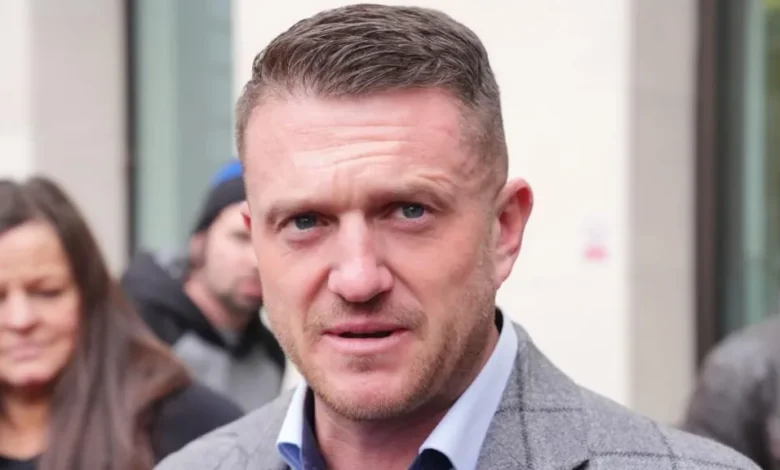
Tommy Robinson is one of the most polarising public figures in modern British society. To some, he represents outspoken resistance against political correctness and what they perceive as failures within the establishment. To others, he is a deeply controversial activist whose rhetoric and actions have contributed to division, social tension, and public disorder. His name consistently generates debate across mainstream media, social platforms, and political discussions, making him a figure impossible to ignore in contemporary UK discourse.
The significance of Tommy Robinson goes beyond individual actions or isolated incidents. He has become a symbol of wider societal issues such as freedom of speech, immigration policy, media trust, and the boundaries of activism in a democratic society. Whether viewed positively or negatively, his presence has influenced conversations far beyond his immediate supporter base. Understanding his life and public role offers insight into the anxieties, frustrations, and divisions that exist within modern Britain.
This article explores Tommy Robinson’s background, rise to prominence, political beliefs, media presence, legal challenges, controversies, and lasting impact. Rather than promoting or condemning, the aim is to provide an informative, balanced, and comprehensive overview that allows readers to understand why he remains such a prominent and debated figure in UK public life.
Early Life and Background
Tommy Robinson was born in Luton, England, and grew up in a working-class environment that would later influence both his worldview and public messaging. His early life was shaped by local social dynamics, economic pressures, and exposure to community-level tensions that he has often referenced in interviews and speeches. These formative years played a crucial role in shaping his identity and sense of belonging, which later became central themes in his activism.
Education and early employment experiences contributed to his distrust of traditional institutions. Tommy Robinson has frequently portrayed himself as someone who felt overlooked or misrepresented by elites, a narrative that resonated strongly with certain segments of the population. This sense of marginalisation would later become a recurring element of his public persona, reinforcing his appeal among supporters who felt similarly disconnected from mainstream politics.
Before becoming a national figure, Tommy Robinson lived a largely private life. However, growing frustration with social issues he perceived in his local area gradually pushed him toward activism. These early motivations, rooted in personal experience rather than political theory, helped shape his grassroots approach and confrontational style, distinguishing him from conventional political actors.
Rise to Public Attention
Tommy Robinson rise to public attention was rapid and highly controversial. His involvement in street-level activism and public demonstrations brought him into the spotlight, particularly as media coverage amplified both his message and the backlash against it. What began as local activism soon evolved into a national phenomenon, driven by viral videos, media debates, and growing online followings.
A key factor in his rise was his ability to frame complex societal issues in simple, emotionally charged terms. This approach allowed him to connect with individuals who felt alienated by traditional political language. His speeches and public appearances often focused on themes of national identity, justice, and perceived institutional failure, which resonated strongly during periods of heightened political uncertainty in the UK.
As his visibility increased, so did scrutiny. Media attention played a dual role: while it expanded his reach, it also intensified criticism. Tommy Robinson rise illustrates how modern activism, when combined with digital platforms, can bypass traditional gatekeepers and rapidly transform individuals into nationally recognised figures—regardless of controversy.
Political Ideology and Beliefs
Tommy Robinson’s political ideology is often described as populist and nationalist, though he has resisted formal political labels. Central to his beliefs is a strong emphasis on free speech, which he argues is under threat in modern Britain. He has consistently positioned himself as a defender of open discussion, particularly on sensitive social and cultural topics.
Immigration and national identity are recurring themes in his activism. Tommy Robinson has claimed that his concerns stem from security, cultural cohesion, and fairness rather than hostility toward specific groups. Critics, however, argue that his rhetoric oversimplifies complex issues and risks reinforcing stereotypes. This tension between intention and interpretation has been a defining feature of his public image.
Over time, his views have evolved in response to legal challenges, media criticism, and shifting political landscapes. While some supporters see this evolution as growth, others interpret it as inconsistency. Regardless, his ideology continues to spark debate, highlighting broader disagreements within UK society about the limits of expression and the role of activism.
Media Presence and Digital Influence

Tommy Robinson media strategy has relied heavily on digital platforms, particularly social media and independent online broadcasting. By bypassing traditional outlets, he gained direct access to supporters and framed narratives on his own terms. This approach helped him build a loyal audience that distrusted mainstream media representations.
Online platforms amplified his reach, turning individual speeches and court appearances into viral moments. Supporters shared content widely, often portraying him as a victim of censorship or institutional bias. This digital ecosystem played a significant role in sustaining his relevance, even during periods of legal or social restriction.
However, this media presence also attracted scrutiny from platforms, regulators, and journalists. Content moderation, bans, and restrictions became recurring issues, further fueling debates around free speech. Robinson’s digital influence demonstrates how online media can both empower activism and intensify controversy in equal measure.
Legal Issues and Controversies
Legal challenges have been a consistent aspect of Tommy Robinson’s public life. Arrests, court cases, and legal restrictions significantly shaped public perception, transforming him into a central figure in debates about law, order, and freedom of expression. Supporters often view these cases as evidence of persecution, while critics see them as consequences of irresponsible activism.
Each legal episode intensified media attention and public debate. Court proceedings became rallying points for supporters and flashpoints for critics, reinforcing Robinson’s polarising status. These events also raised complex questions about the balance between free speech and legal responsibility within democratic societies.
Controversies surrounding Robinson extend beyond legal matters. Accusations of misinformation, inflammatory rhetoric, and social division have followed him throughout his career. Together, these issues contribute to his reputation as one of the most contentious figures in modern UK activism.
Impact, Legacy, and Conclusion
Tommy Robinson’s impact on UK society is undeniable. He has influenced political discourse, shaped debates on free speech, and highlighted deep divisions within the public. While he has not held elected office, his ability to mobilise support and attract attention demonstrates the power of grassroots activism in the digital age.
His legacy remains contested. Supporters view him as a catalyst for uncomfortable but necessary conversations, while critics argue that his methods have caused harm and polarisation. This divide reflects broader societal tensions, making Robinson less a solitary figure and more a symbol of ongoing cultural conflict.
In conclusion, Tommy Robinson’s life and activism offer valuable insight into modern British politics and media. Understanding his role helps explain why issues such as identity, expression, and trust in institutions continue to dominate public debate. Regardless of perspective, his influence will remain part of the UK’s political and cultural landscape for years to come.
Frequently Asked Questions (FAQs)
Who is Tommy Robinson and why is he well known?
He is a British political activist known for his outspoken views and controversial public campaigns.
What are his main political beliefs?
He focuses on free speech, nationalism, and criticism of institutions, particularly around immigration and media.
Why has he faced legal challenges?
His activism and public actions have led to multiple court cases related to public order and legal restrictions.
Does he still influence UK politics?
Yes, particularly through online platforms and public debate, despite not holding political office.
Why is he such a divisive figure?
Supporters see him as truthful and brave, while critics argue his rhetoric fuels division and misinformation.
You May Also Read: Park Plaza Westminster Bridge