Osborne Bay is a gently curving bay on the north-east coast of the Isle of Wight, overlooking the eastern Solent near East Cowes. Its identity is closely connected with Osborne, the seaside home created for Queen Victoria and Prince Albert. Below the estate lies Queen Victoria’s Beach, where the royal family spent time by the sea during the 19th century. The wider bay is also familiar to recreational boaters, making this stretch of coastline important for both its Victorian history and its continuing maritime use.
The name can sometimes cause confusion because Osborne Bay and Osborne Beach describe related but different places. The bay is the wider body of water and anchorage, while Queen Victoria’s Beach is the historic sand-and-shingle shore reached through the Osborne estate. Understanding that difference makes it easier to plan a visit and explains why information about Osborne Bay covers subjects as varied as royal bathing, Osborne House, swimming, sailing, seagrass conservation and access from East Cowes.
Where Is Osborne Bay on the Isle of Wight?
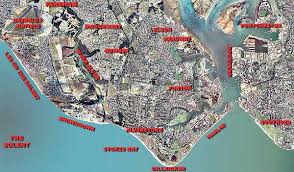
Osborne Bay lies east of East Cowes on the Isle of Wight, facing the Solent between the island and mainland England. East Cowes is the most useful nearby reference point for land-based visitors because Osborne is located roughly a mile southeast of the town. The position also places the bay close to one of the Solent’s best-known sailing areas, where recreational vessels are a familiar sight during suitable weather.
Visitors arriving by land normally approach the coast through Osborne rather than treating the shore as an independent public beach with its own seafront entrance. Ferry services connect East Cowes with the mainland, while local roads and bus services provide onward travel around the area. Anyone travelling specifically to see Queen Victoria’s Beach should check current Osborne admission and opening information before departure because access arrangements can vary during the year.
Queen Victoria and the History of Osborne Beach
Queen Victoria and Prince Albert used Osborne as a private family retreat, and the coast below the estate became part of their life on the Isle of Wight. Victoria recorded bathing in the sea at Osborne in July 1847. Prince Albert encouraged swimming as a healthy activity, while the royal children also learned to swim there. In 1853, a swimming bath was created for the children, adding another distinctive feature to the family’s use of the seaside estate.
These details make the shore historically important for reasons beyond its scenery. Osborne allowed the royal family to experience a degree of privacy away from formal court life, and time beside the sea formed part of that more domestic setting. Modern visitors can therefore connect the grand rooms of Osborne House with a very different side of Victorian royal life. The beach reveals how recreation, health and family activities became part of the experience of living at Osborne.
Queen Victoria’s Bathing Machine
One of the most memorable objects associated with the beach is Queen Victoria’s bathing machine. Bathing machines were designed to give bathers privacy while changing and entering the sea, reflecting social expectations surrounding seaside bathing during the Victorian period. Victoria’s restored bathing machine survives at Osborne, providing visitors with a physical reminder of how different a trip to the beach could be during the 19th century.
Its significance is greater when considered alongside Victoria’s own recorded experience of sea bathing. Rather than simply being a decorative Victorian object, the machine belonged to the practical routine of using the shore. Together with the royal children’s swimming activities, it helps turn the history of Osborne Bay into a more personal story. Visitors can understand not only where the royal family lived but also how they spent recreational time on the coast below their Isle of Wight home.
What Is Queen Victoria’s Beach Like Today?
Queen Victoria’s Beach is a mixture of sand and shingle, with views across the Solent and the wooded Osborne estate behind it. Visitors can paddle or swim from the beach when it is open as part of the Osborne experience. Sea conditions naturally vary, so the shore should not be described as having guaranteed calm or ideal swimming conditions. Its main attraction is the combination of coastal scenery and a well-documented connection with the Victorian royal family.
Refreshments are available at the beach café during its operating periods, allowing visitors to spend more time in this part of the estate. The beach also provides a contrast with Osborne House itself. After exploring formal interiors and gardens, reaching the shoreline reveals another aspect of the property. Visitors should remember that opening times and individual facilities can be seasonal, making current visitor information particularly useful when planning a trip around the beach.
Access, Accessibility and Visitor Planning

The beach lies within the wider Osborne visitor experience, so land-based access is linked to the estate. Visitors should check current ticket prices, opening hours and admission arrangements before travelling. Osborne covers a substantial area, and the beach is some distance from the main entrance. A complimentary accessibility minibus normally operates between the entrance, Swiss Cottage and Queen Victoria’s Beach from April to November, helping eligible visitors move between important parts of the estate.
Accessibility varies once visitors reach the shore. Paths leading to the beach area, the café and Queen Victoria’s Alcove have accessibility provisions, but the beach itself is not fully accessible to wheelchair or pushchair users, and there are steps leading to the beach boardwalk. Dog owners should also check the rules before visiting. Dogs may be allowed in designated parts of the Osborne grounds on short leads, while only assistance dogs are permitted on Queen Victoria’s Beach.
Boating and Anchoring in Osborne Bay
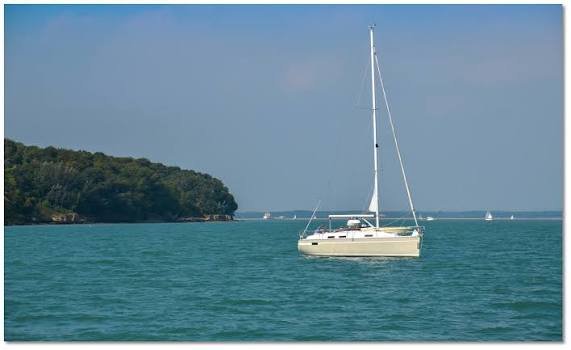
While visitors on land often associate the area with Queen Victoria, boaters know Osborne Bay for another reason. Its position in the Solent has made the bay a popular stopping and anchoring location for recreational vessels. This maritime use gives the area a continuing identity beyond its royal past. Boats offshore are part of the modern character of the bay, particularly during periods of favourable sailing weather around the Isle of Wight.
Boaters should use current charts, forecasts and local navigation guidance when deciding where to stop. The bay also contains environmentally sensitive seabed habitat, so choosing an anchoring location now involves conservation considerations as well as navigation. This has become increasingly important as efforts have developed to protect seagrass while maintaining responsible recreational boating. Visitors arriving from the water should therefore be aware of current environmental guidance before dropping anchor.
Seagrass and the 2024 Voluntary No Anchor Zone
Osborne Bay contains seagrass habitat extending from shallow intertidal areas into waters farther offshore. Seagrass provides valuable marine habitat but can be damaged when anchors and chains repeatedly disturb the seabed. Surveys and conservation work identified pressure on parts of the habitat, leading to a practical initiative intended to help recreational boaters avoid the most sensitive area while continuing to use the wider bay.
In March 2024, a Voluntary No Anchor Zone was introduced and marked by eight buoys. Importantly, this measure does not prohibit anchoring throughout Osborne Bay. Instead, boaters are encouraged to avoid anchoring within the marked seagrass area and to choose locations that reduce damage to the habitat. The distinction matters because the project aims to balance conservation with recreational boating rather than exclude vessels from the bay. Current local guidance should always be consulted because marine information can change.
Getting to Osborne Bay and East Cowes
East Cowes is the most convenient gateway for many visitors travelling to Osborne. Ferry connections provide access from the mainland, while local roads and public transport link the town with the estate. Osborne is approximately one mile southeast of East Cowes, and parking is available for visitors arriving by car. Bus services also operate in the area, although schedules should be checked before travelling rather than relying on fixed times published in an older travel guide.
Planning around Osborne rather than simply searching for a beachfront parking area will make a first visit easier. The house, grounds, Swiss Cottage and historic beach form parts of the same wider heritage experience, and exploring them properly can take time. Comfortable footwear is useful because of the size of the estate and walking involved. Visitors mainly interested in the coast should still allow enough time to understand how the beach fits into the history and landscape of Osborne.
Why Osborne Bay Is Worth Understanding
Osborne Bay stands out because several different stories meet along one relatively small stretch of Isle of Wight coastline. Queen Victoria’s recorded sea bathing, the royal children’s swimming, the surviving bathing machine and the relationship with Osborne House create a strong historical identity. At the same time, the waters remain part of an active sailing environment used by recreational boaters in the Solent.
The bay also demonstrates how the management of historic and natural places continues to change. The 2024 Voluntary No Anchor Zone adds marine conservation to a story already shaped by royalty and recreation. Rather than presenting Osborne Bay simply as another attractive beach, understanding these connections gives visitors a more accurate picture of the place: a historic royal shore, a modern Solent anchorage and an area where sensitive seagrass habitat now influences how the water is used.
Conclusion
Osborne Bay combines Isle of Wight coastal scenery with one of the most personal chapters in Queen Victoria’s life at Osborne. The beach below the estate was used by the royal family for bathing and swimming, and the surviving bathing machine provides a tangible connection with Victorian seaside customs. Today, visitors can experience the shore as part of Osborne while also exploring the house, gardens and other parts of the estate.
Beyond the royal story, Osborne Bay remains important to recreational boating and marine conservation in the Solent. The introduction of the Voluntary No Anchor Zone in 2024 reflects efforts to protect seagrass without closing the wider bay to responsible anchoring. These historical, recreational and environmental connections give Osborne Bay an identity that is much richer than that of a conventional seaside beach.
FAQs
Where is Osborne Bay located?
Osborne Bay is on the north-east coast of the Isle of Wight, close to East Cowes and overlooking the Solent.
Can visitors access Queen Victoria’s Beach?
Yes. The historic beach can be visited through Osborne when the relevant areas are open, subject to current admission arrangements.
Did Queen Victoria actually swim at Osborne?
Yes. Queen Victoria recorded sea bathing at Osborne in 1847, and the royal children also learned to swim there.
Can you anchor a boat in Osborne Bay?
Anchoring remains possible in the wider bay, but boaters are encouraged to avoid the marked Voluntary No Anchor Zone protecting seagrass.
Are dogs allowed on Osborne Beach?
Only assistance dogs are permitted on Queen Victoria’s Beach, although different rules apply to designated areas elsewhere within the Osborne grounds.
You May Also Read: Kirkton of Tough