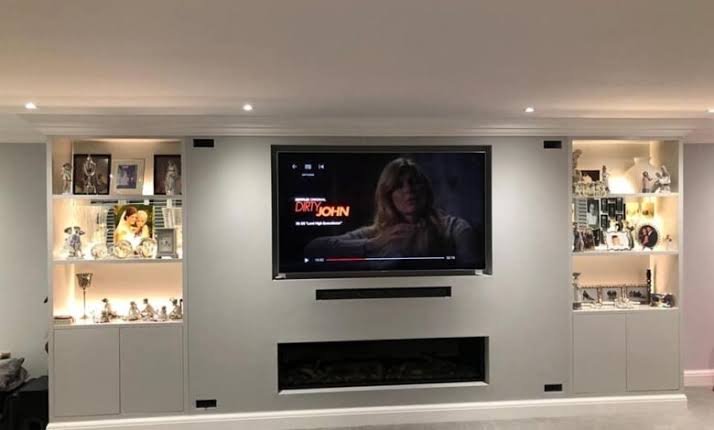
A media wall soundbar has become an essential part of modern home entertainment design, combining premium audio performance with a clean, built-in appearance. Instead of using multiple speakers around the room, many homeowners now choose soundbars integrated into media walls to create a stylish entertainment feature that delivers clearer dialogue, stronger bass, and a more immersive viewing experience.
However, creating the perfect media wall audio setup requires more than simply placing a soundbar below a television. The position of the speaker, wall design, room size, cable planning, ventilation, and audio technology all influence the final result. A well-designed media wall can improve both the appearance of your living space and the quality of your movies, gaming sessions, sports viewing, and music listening.
This guide explains how to choose the right soundbar for a media wall, where to position it, how to avoid common installation mistakes, and what features matter most when creating a professional home cinema-style setup.
What Is a Media Wall Soundbar?
A media wall soundbar is a speaker system designed to work alongside a built-in media wall that houses a television and other entertainment equipment. The media wall usually creates a dedicated area for the TV, soundbar, lighting features, storage sections, or decorative finishes, while the soundbar provides improved audio without requiring a complicated surround speaker arrangement.
Unlike traditional speaker systems that may require multiple units and visible wiring, a soundbar offers a simpler solution for homeowners who want better sound while maintaining a minimalist interior design. Modern models can deliver advanced audio features such as Dolby Atmos, wireless connectivity, voice control, and room calibration technology.
The purpose of integrating a soundbar into a media wall is to create balance between design and performance. The television becomes the visual centre of the room, while the soundbar enhances the experience by improving speech clarity, adding depth to sound effects, and creating a more engaging entertainment environment.
How To Choose The Right Soundbar For A Media Wall
Choosing the correct soundbar depends on several factors, including your television size, room dimensions, listening habits, and the design of your media wall. A soundbar that works perfectly in a small bedroom may not provide enough power for a large open-plan living room. The goal is to select a system that matches your space rather than simply choosing the most expensive option.
TV size is an important consideration because the soundbar should look balanced beneath the screen. A very small soundbar under a large television may appear visually disconnected, while an oversized model may dominate a smaller setup. Matching the proportions helps create a cleaner and more professional appearance.
You should also consider audio features before purchasing. HDMI eARC support, Dolby Atmos compatibility, wireless subwoofer options, Bluetooth, Wi-Fi streaming, and smart home integration can improve both performance and convenience. The best media wall soundbar is one that fits your lifestyle and installation requirements.
Where Should A Soundbar Be Placed In A Media Wall?
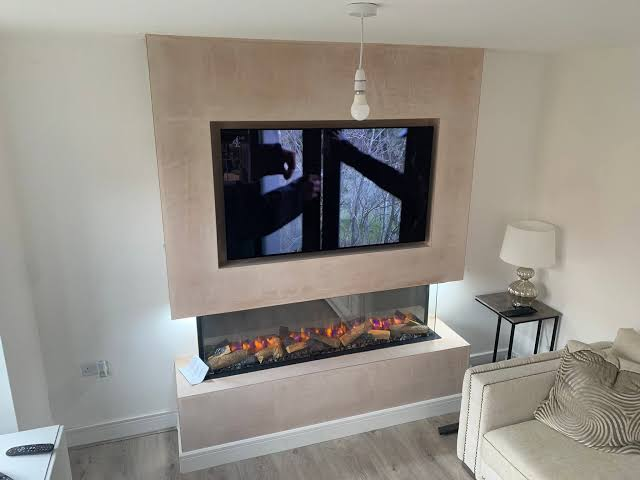
Soundbar placement is one of the most important factors affecting audio quality. In most media wall installations, the ideal position is directly below the television with the front of the speaker facing outward toward the seating area. This allows sound to travel naturally through the room and improves dialogue clarity during movies and television shows.
A common mistake is placing the soundbar too far inside a recessed area. Although a hidden installation may look attractive, surrounding the speaker with solid materials can reduce sound projection and make audio feel less open. The soundbar should have enough space around it to allow sound waves to move freely.
The height of the soundbar also matters. Ideally, it should be positioned close to ear level when viewers are seated. If the television is mounted very high and the soundbar is placed too far below it, the sound may feel disconnected from the action happening on screen.
Planning A Media Wall Soundbar Installation
Good planning before construction can prevent expensive changes later. Before creating a recess or mounting area, measure the exact dimensions of your chosen soundbar and consider whether you may upgrade to a different model in the future. A media wall should not only fit today’s equipment but also provide some flexibility for future improvements.
Cable management is another important part of installation planning. HDMI cables, power connections, gaming consoles, streaming devices, and other accessories should be considered before the wall is completed. Proper cable channels and accessible connection points help maintain a clean appearance while making future maintenance easier.
Ventilation should also be included in the design. Electronic devices create heat during operation, and a completely enclosed space can affect performance over time. Allowing sufficient airflow around the soundbar helps protect the equipment and ensures consistent audio performance.
Dolby Atmos Soundbars And Media Wall Setup
Dolby Atmos soundbars have become popular because they create a more immersive listening experience by adding height effects to traditional audio. Instead of sound only coming from the front, compatible systems can create the feeling of sound moving around and above the viewer, making movies and games feel more realistic.
However, Dolby Atmos performance depends heavily on installation. Many Atmos soundbars use upward-firing speakers that reflect sound from the ceiling to create overhead effects. If these speakers are blocked by a narrow recess or covered by materials, the immersive effect can be reduced.
When designing a media wall for an Atmos soundbar, consider the speaker’s upward direction and allow enough open space for sound reflection. A good installation should support the technology rather than limit it. Choosing the soundbar and designing the media wall together usually produces better results.
Soundbar And Subwoofer Placement In A Media Wall Setup
A subwoofer can significantly improve the experience by adding deeper bass for action films, music, and gaming. While many soundbars include impressive built-in bass technology, a separate wireless subwoofer can create a more powerful and cinematic sound experience, especially in larger rooms.
The subwoofer placement should be considered separately from the soundbar position. Unlike the soundbar, which usually works best below the TV, a subwoofer often performs better when placed on the floor with enough open space around it. Hiding it inside a closed media wall cabinet can reduce bass performance.
Room shape also affects bass quality. Some locations naturally create stronger low frequencies than others, so experimenting with placement can help achieve a more balanced sound. The best position depends on the specific room, furniture arrangement, and subwoofer design.
Common Media Wall Soundbar Installation Mistakes
One of the biggest mistakes homeowners make is designing the media wall before choosing the soundbar. Different soundbars have different sizes, connection requirements, and speaker layouts. Selecting the audio equipment first makes it easier to create a suitable space rather than trying to force a device into an unsuitable design.
Another common issue is blocking the soundbar with decorative materials. Some media walls use panels, covers, or enclosed sections that may look attractive but interfere with sound output. The speaker should remain open enough to deliver clear audio without unnecessary barriers.
Poor cable planning is another problem that can affect the final result. Forgetting additional HDMI connections, power access, or future upgrades can create difficulties after installation. A little planning before construction can save time, money, and frustration later.
Media Wall Soundbar Design Ideas For Modern Homes
A media wall soundbar can become a major design feature in a living room when combined with the right materials and lighting. Popular designs include LED backlighting, textured wall panels, wood finishes, stone effects, and built-in shelving. These elements can create a premium appearance while keeping technology organised.
Minimalist designs often focus on hidden cables, clean lines, and neutral colours, while more dramatic styles use contrasting textures and lighting effects to create a cinema-inspired atmosphere. The soundbar should complement the overall design rather than appear as an additional device attached afterward.
The best media wall designs achieve a balance between appearance and performance. A beautiful feature wall should still provide excellent sound quality, proper ventilation, and easy access to connections. Good design combines visual appeal with practical functionality.
Soundbar Features Worth Considering Before Buying
Before purchasing a media wall soundbar, consider the features that will provide long-term value. HDMI eARC is useful for modern televisions because it allows high-quality audio transmission and better compatibility with advanced formats. Wireless connectivity can also make daily use easier by reducing cable clutter.
Room calibration technology is another helpful feature because it adjusts audio output according to your room environment. This can improve sound balance when furniture, wall materials, and room shape affect audio performance.
It is also important to consider your actual usage. Someone who mainly watches television may prioritise clear dialogue, while movie lovers and gamers may prefer stronger bass and immersive surround effects. Choosing based on personal needs usually leads to a better experience than focusing only on specifications.
Conclusion
A media wall soundbar can transform a standard living room into a stylish and immersive entertainment space when it is planned correctly. The quality of the final result depends not only on the soundbar itself but also on placement, wall design, connectivity, and installation decisions.
By choosing the right soundbar size, allowing proper ventilation, planning cable routes, and considering technologies like Dolby Atmos, homeowners can create a setup that looks impressive and performs exceptionally well. A carefully designed media wall soundbar installation combines modern interior design with powerful entertainment, making it a valuable upgrade for any home.
FAQs
Where should a soundbar be placed on a media wall?
A soundbar is usually best positioned directly below the television with the speaker facing outward toward the seating area for clearer and more balanced sound.
Can a soundbar be recessed into a media wall?
Yes, but it needs enough open space for sound projection and ventilation. A completely enclosed recess may reduce audio quality.
Do Dolby Atmos soundbars work inside media walls?
Yes, but they need sufficient space above the speaker because many Atmos models use upward-firing drivers to create height effects.
Should I add a subwoofer to my media wall soundbar setup?
A subwoofer is optional, but it can improve bass depth and create a more cinematic experience, especially in larger rooms.
What features should I look for in a media wall soundbar?
Important features include HDMI eARC, Dolby Atmos support, wireless connectivity, room calibration, and compatibility with your television and room size.
You May Also Read: City Road Bristol