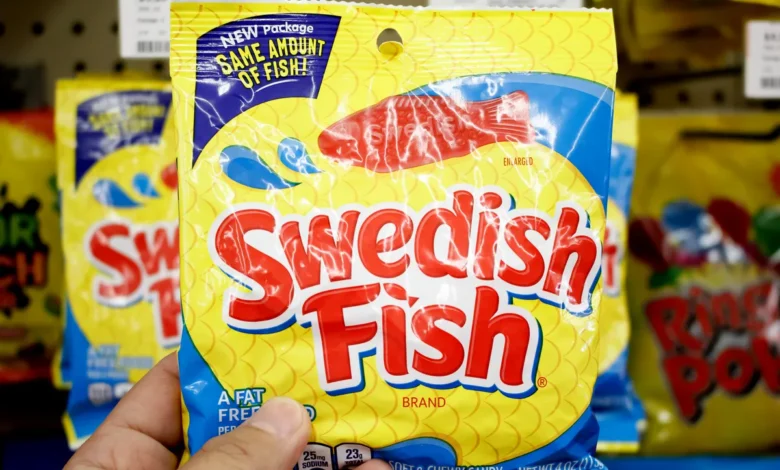
Swedish Fish is a beloved chewy candy that has captured the hearts of candy enthusiasts around the world. Recognizable by its signature red color and fish shape, Swedish Fish stand out in the crowded world of gummies for their unique texture, sweet-tart flavor, and nostalgic appeal. Unlike ordinary gummy bears or jelly candies, Swedish Fish have a slightly denser chew and a flavor that is simple yet remarkably memorable, which has made them a long-time favorite among children and adults alike.
Part of what makes Swedish Fish so iconic is their universal appeal. They are often associated with movie nights, candy bowls, and childhood memories, creating an emotional connection that extends beyond their taste. Their recognizable shape and texture have become almost symbolic of candy indulgence, contributing to their global popularity. From American supermarkets to specialty candy stores, Swedish Fish have become a staple for anyone seeking a fun and chewy treat.
This article aims to provide a comprehensive guide to Swedish Fish, exploring their history, flavors, nutritional content, production process, and cultural impact. Whether you are a long-time fan wanting to learn more about your favorite candy, or someone discovering Swedish Fish for the first time, this article covers everything you need to know about this iconic candy. It also includes tips for enjoying Swedish Fish in creative ways and answers some frequently asked questions.
History and Origin of Swedish Fish
Swedish Fish have an interesting history that begins in Sweden during the 1950s. Originally, they were created by Malaco, a Swedish confectionery company, as a soft, chewy candy meant to represent fish, which were a popular symbol in Swedish folklore and culture. The candy quickly became a hit in its home country for its chewy texture, distinctive red color, and fruity taste, marking it as a fun and novel treat for children and adults alike.
In the 1980s, Swedish’Fish were introduced to North America, primarily through the United States, by companies such as Mondelēz International (then Kraft Foods). Their arrival was met with enthusiasm, as the candy offered something different from the traditional gummy bears and licorice that dominated the market. Marketing efforts emphasized the candy’s playful fish shape and chewy texture, creating a unique selling point that contributed to its rapid popularity.
Over the years, Swedish Fish have become a fixture in candy aisles, movie theaters, and online candy shops. The candy’s success in North America has cemented it as one of the most recognizable gummy candies worldwide. Its distinctive shape, vibrant colors, and consistent chewy texture have made it not just a candy but a cultural icon, evoking memories and nostalgia for multiple generations.
Flavors and Variants
While the original Swedish Fish flavor is the classic red, often described as a sweet, berry-like taste with subtle citrus undertones, the candy has expanded into multiple flavors to satisfy diverse palates. Orange and lemon flavors have become common additions, providing a tangy twist on the original sweetness. Some specialty stores even carry grape or cherry variants, broadening the appeal to fruit-flavored candy lovers.
Limited edition and seasonal flavors occasionally appear, offering unique twists and creating excitement among fans. For instance, holiday-themed packs might include green or white Swedish’Fish, while summer editions sometimes experiment with tropical fruit flavors. These variants not only diversify the candy experience but also maintain consumer interest by introducing novelty and seasonal exclusivity.
Regional differences also play a role in flavor availability. In the United States, the original red flavor dominates, with occasional additional flavors appearing in specialty packs. Meanwhile, in Europe, where the candy originates, different fruit flavors are more commonly available, reflecting local taste preferences. Despite these variations, the classic red Swedish Fish remains the iconic flavor that defines the brand and keeps fans returning for more.
Ingredients and Nutrition
Swedish Fish are primarily made of sugar, corn syrup, modified corn starch, citric acid, natural and artificial flavors, and coloring agents. The candies are soft and chewy, but they do not contain gelatin, making them suitable for vegetarians, which is a distinguishing feature compared to many other gummy candies. This focus on inclusivity has broadened their appeal to health-conscious or dietary-restricted consumers.
Nutritionally, Swedish Fish are considered a treat rather than a health food. A small serving (about 40 grams or roughly 12 pieces) contains around 150 calories and a substantial amount of sugar. While they do not provide significant vitamins or minerals, they are free from major allergens like nuts, making them a safe indulgence for most consumers. Despite their sugar content, many people enjoy Swedish Fish in moderation as part of a balanced diet.
Comparatively, Swedish Fish are similar in calorie content to other gummy candies but offer a slightly firmer texture and unique flavor. Their dense chew allows for a slower eating experience, which can make small amounts feel more satisfying. For fans seeking an occasional sweet snack without animal-derived ingredients, Swedish’Fish remain a top choice.
How Swedish Fish Are Made
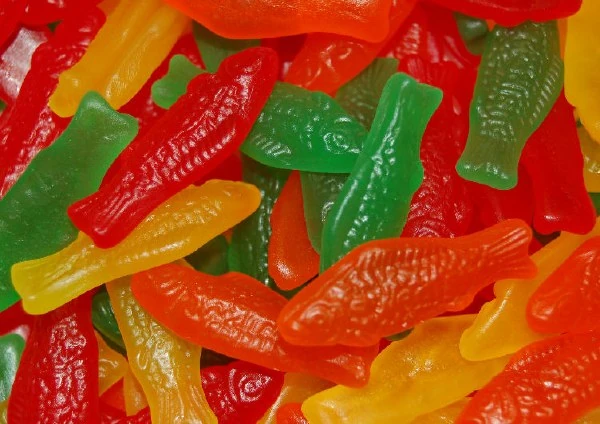
The process of making Swedish Fish is both fascinating and precise, ensuring consistency in texture, flavor, and appearance. It begins with heating sugar, corn syrup, and starch to a specific temperature to form a chewy candy base. Natural and artificial flavors are then added, giving Swedish’Fish their characteristic fruity taste, followed by coloring agents that create the iconic red hue.
Once the candy mixture reaches the desired consistency, it is poured into fish-shaped molds. These molds allow each candy to have the same size, shape, and texture, contributing to the uniformity that consumers expect. After molding, the candies are cooled and coated lightly to prevent sticking, ensuring they maintain their chewy texture. Finally, the candies are packaged, often in bright, eye-catching bags or boxes to appeal to buyers.
Quality control is a critical part of the production process. Manufacturers ensure that each batch maintains flavor consistency, color vibrancy, and a uniform chew. Fun facts about production include that Swedish Fish are sometimes made in giant batches numbering millions of pieces and that the fish shape was chosen specifically to appeal to children and families.
Fun Facts and Trivia About Swedish Fish
Swedish Fish have made a notable impact on pop culture and candy nostalgia. They have appeared in movies, television shows, and even social media content, often symbolizing playful indulgence or childhood memories. The candy’s unique shape and chew have made it an iconic figure among gummy candies, and it is frequently cited in discussions about classic treats.
Record-breaking editions and novelty packs have also contributed to Swedish’Fish’s appeal. Oversized versions or specialty packaging are often released for holidays or promotional events, capturing consumer attention and creating collectible items. Cultural impact extends beyond the candy itself, inspiring fan art, recipes, and themed parties centered around the iconic fish shape.
Nostalgia plays a key role in Swedish Fish’s enduring popularity. Many adults recall enjoying the candies as children, and this emotional connection continues to drive sales. The candy’s simple yet memorable flavor, combined with its cultural footprint, ensures that Swedish Fish remain a beloved treat for generations.
Ways to Enjoy Swedish Fish
Swedish Fish are versatile and can be enjoyed in a variety of ways. Naturally, they make a perfect snack on their own, whether at home, in a movie theater, or as a fun addition to lunch boxes. Their chewy texture makes them a satisfying treat for a quick sugar boost or a playful indulgence.
They can also be incorporated into desserts and recipes. Popular ideas include mixing Swedish Fish into cupcakes, brownies, or gelatin-based desserts. They can be used as decorative toppings for ice cream or as a colorful addition to candy buffets at parties. Some creative fans even blend them into drinks or candy mixes, highlighting their adaptability in culinary experiments.
Proper storage is essential for maintaining their chewy texture. Swedish Fish should be kept in a cool, dry place, away from direct sunlight or moisture. This ensures that they remain soft and flavorful, retaining the quality that fans expect from this iconic candy.
Conclusion
Swedish Fish have secured their place as one of the most iconic gummy candies worldwide. From their Swedish origins to their widespread popularity in North America, they have delighted generations with their chewy texture, vibrant flavors, and playful fish shape. Beyond taste, they carry cultural and nostalgic significance, making them more than just a candy—they are a symbol of fun, indulgence, and childhood memories.
Whether enjoyed alone, incorporated into desserts, or shared with friends, Swedish Fish offer a versatile and delightful candy experience. Their inclusive ingredients, consistent quality, and innovative marketing have ensured that Swedish Fish remain a go-to treat for fans of all ages, maintaining their relevance and popularity decades after their creation.
Frequently Asked Questions (FAQs)
What are Swedish Fish made of?
They are made from sugar, corn syrup, modified starch, citric acid, natural and artificial flavors, and coloring agents, without gelatin.
Where did Swedish Fish originate?
They were created in Sweden during the 1950s by the confectionery company Malaco.
Are Swedish Fish suitable for vegans?
Yes, Swedish Fish are gelatin-free and suitable for vegetarians and vegans.
What is the original flavor of Swedish Fish?
The classic red Swedish Fish has a sweet, slightly berry-like flavor.
How long do Swedish Fish last before expiring?
Properly stored, they can last up to a year, remaining chewy and flavorful.
Can Swedish Fish be used in recipes or desserts?
Yes, they are popular in cupcakes, ice cream toppings, candy mixes, and party treats.
You May Also Read: Mowgli Street Food