Dash Cam with Battery Pack: Complete Guide to Longer Parking Mode Recording and Vehicle Protection

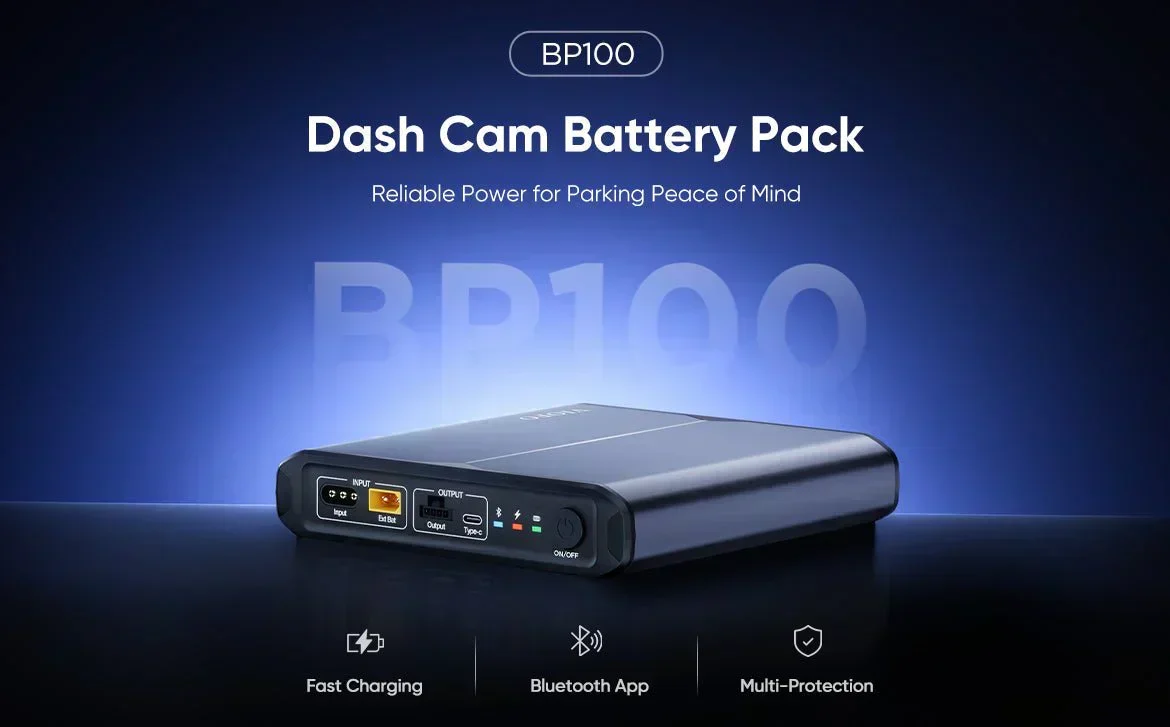
A dash cam with battery pack has become an important solution for drivers who want continuous vehicle monitoring even when their engine is turned off. Traditional dash cameras are excellent for recording accidents while driving, but their parking mode performance often depends on how they receive power. If a dash cam is connected directly to the vehicle battery, extended recording can reduce battery charge and may create starting issues in some situations.
A dedicated dash cam battery pack solves this problem by providing a separate power source designed specifically for camera operation. It allows compatible dash cameras to continue monitoring the vehicle while parked without constantly relying on the starter battery. This makes battery packs especially useful for drivers who park in public areas, leave vehicles outside overnight, or want additional protection against hit-and-runs and unexpected damage.
Choosing the right battery pack is not only about buying the largest capacity available. The best option depends on your dash cam model, parking habits, recording mode, installation preferences, and how long you need protection. This guide explains how dash cam battery packs work, their benefits, important features, and how to choose the right setup for your vehicle.
What Is a Dash Cam Battery Pack and How Does It Work?
A dash cam battery pack is an external rechargeable power unit that keeps a dash camera running after the vehicle ignition is switched off. During normal driving, the vehicle charges the battery pack through a connected power system. Once the engine stops, the battery pack automatically supplies energy to the dash cam, allowing parking mode recording to continue without using the vehicle’s main battery.
Unlike a small internal battery found inside some dash cameras, an external battery pack is designed for longer operation. Internal camera batteries are usually intended for temporary power during setup, emergency recording, or saving footage after power loss. They are generally not designed to support many hours of continuous parking surveillance.
Most automotive dash cam battery packs use lithium-based battery technology because it provides better efficiency, longer lifespan, and improved performance compared with basic rechargeable batteries. Many premium options use LiFePO4 battery cells because they are designed to handle temperature changes and repeated charging cycles more effectively, which is important inside vehicles.
Why Use a Battery Pack Instead of a Normal Dash Cam Power Connection?
The main advantage of a dedicated battery pack is protecting the vehicle’s starter battery. A normal hardwired dash cam setup can draw power from the car battery when the vehicle is parked. Although many hardwire kits include low-voltage protection, frequent long parking sessions can still place additional stress on the battery, especially in older vehicles.
A battery pack creates separation between the dash camera and the vehicle’s starting system. The camera uses stored energy from the dedicated battery instead of continuously consuming power from the battery responsible for starting the engine. This makes it a preferred solution for drivers who want reliable parking surveillance without worrying about unexpected battery drain.
Another benefit is consistent performance. A dedicated battery pack is built around the power requirements of dash cameras, meaning it can provide a stable energy supply for parking features such as motion detection, impact recording, and time-lapse monitoring. For drivers who consider their dash cam an important security device, this additional reliability can make a significant difference.
Internal Dash Cam Battery vs External Battery Pack: What Is Better?
Many buyers confuse a dash cam with an internal battery and a dash cam system using an external battery pack. While both provide backup power, they serve very different purposes. Internal batteries are usually small and designed for short-term operation, while external packs are created for extended parking mode recording.
| Feature | Internal Dash Cam Battery | External Battery Pack |
| Recording time | Short | Much longer |
| Parking mode support | Limited | Excellent |
| Heat performance | Lower | Better for vehicle use |
| Power capacity | Small | Higher |
| Best for | Temporary backup | Continuous monitoring |
For drivers who only need basic recording while driving, an internal battery may be enough. However, anyone who wants overnight parking protection, workplace monitoring, or longer unattended recording should consider an external battery pack.
An external battery pack also provides more flexibility because it can support advanced dash cameras with front and rear cameras, higher resolution recording, and more demanding parking modes. The additional capacity makes it a more suitable option for users who depend on their dash cam for vehicle security.
Best Dash Cam Battery Pack Options for Different Drivers
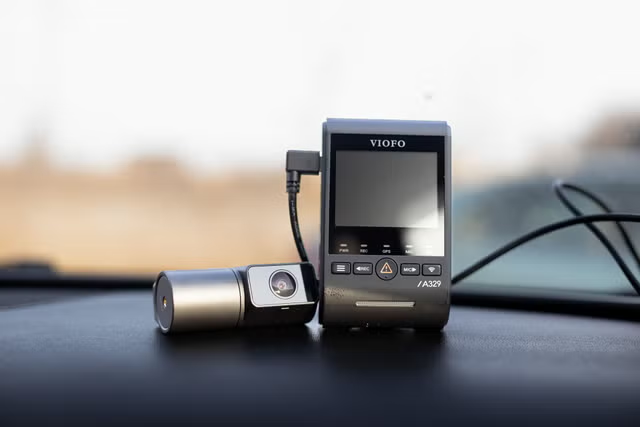
The best battery pack depends on how you use your vehicle and what type of dash cam you own. There is no single product that is perfect for every driver because different users have different requirements. Someone who parks outside every night may need a larger capacity battery, while a daily commuter may only require moderate backup power.
| Battery Pack Type | Best For | Main Benefit |
| Premium automotive battery packs | Luxury vehicles and frequent parking users | Longer runtime and reliability |
| Brand-specific battery packs | BlackVue, Thinkware, Viofo users | Better compatibility |
| Compact battery packs | Daily drivers | Easy installation and balanced performance |
| High-capacity systems | Fleet vehicles | Extended monitoring |
Premium options such as BlackVue battery systems are popular among users who want long parking mode support and strong compatibility with advanced cameras. Thinkware battery solutions are commonly chosen by users already using Thinkware dash cams because they offer better integration with the brand’s ecosystem.
For drivers looking for flexibility, Cellink-style battery packs are often considered because they provide different capacity options and work with various dash camera setups. The best choice should always be based on compatibility rather than only brand popularity.
How Long Can a Dash Cam Run on a Battery Pack?
The runtime of a dash cam battery pack depends on several factors, including battery capacity, camera resolution, number of cameras, and parking mode settings. A single front camera using motion detection will usually consume less power than a dual-channel camera recording continuously.
A 4K front and rear dash cam setup requires more energy than a basic 1080p camera. Continuous recording also uses more power compared with impact detection or motion-based parking modes because the camera remains active for longer periods.
Your parking environment also affects the ideal battery size. A driver who parks at home overnight may only need enough power for several hours, while someone who leaves a vehicle at an airport or public location for multiple days may require a higher-capacity solution. Choosing based on your actual usage prevents overspending on unnecessary capacity.
Dash Cam Battery Pack vs Hardwire Kit: Which Should You Choose?
A hardwire kit and a battery pack both allow parking mode recording, but they are designed for different needs. A hardwire kit connects the dash camera directly to the vehicle’s fuse box and is usually a more affordable solution. It works well for drivers who only need moderate parking protection.
A battery pack provides a separate power source and is better suited for longer recording periods. It reduces dependence on the vehicle battery and is often preferred by people who leave their cars parked for extended periods or want maximum parking mode reliability.
The right choice depends on your priorities. If you want a simple and budget-friendly setup, a hardwire kit may be enough. If your vehicle security is a priority and you need longer recording times, a dedicated battery pack provides a more advanced solution.
Important Features to Check Before Buying a Dash Cam Battery Pack
Before purchasing a battery pack, compatibility should be the first consideration. Check whether the battery supports your dash cam model, required voltage, connectors, and charging system. A powerful battery pack that does not properly work with your camera will not provide the expected results.
Battery capacity is another important factor. Higher capacity usually means longer recording time, but it can also increase size and cost. Consider how often you use parking mode and how long your vehicle normally stays unattended before choosing the capacity.
Safety features should also be considered. A quality battery pack should include protection against overheating, overcharging, short circuits, and excessive discharge. Since vehicles can experience extreme temperature changes, choosing an automotive-grade battery solution is important for long-term reliability.
Dash Cam Battery Pack Compatibility Guide
Compatibility is one of the most important parts of choosing the right battery system. Popular dash cam brands often have recommended battery solutions designed around their cameras, but many universal battery packs can also work with different models when voltage and connectors match.
BlackVue users often choose battery solutions designed specifically for BlackVue cameras because they integrate smoothly with parking features. Thinkware owners may prefer Thinkware-compatible batteries because they provide better communication between the camera and power system.
Other popular brands such as Viofo, Nextbase, Garmin, and 70mai may also work with compatible external battery systems. Always check the manufacturer specifications before installation because incorrect connections can affect performance or damage equipment.
Installation Tips for Better Performance and Safety
Proper installation plays an important role in battery pack performance. The battery should be mounted securely in a safe location where it does not move during driving. Common installation areas include under seats, glove compartments, or suitable trunk spaces depending on vehicle design.
Some battery packs are simple enough for experienced users to install, while others require professional wiring. A professional installation is recommended for permanent setups because incorrect connections can affect charging performance and vehicle electronics.
Cable management is also important. Loose wires can create safety issues, reduce installation quality, and interfere with vehicle operation. A clean installation not only improves appearance but also helps ensure long-term reliability.
Conclusion
A dash cam with battery pack provides a reliable way to extend parking mode recording while reducing dependence on the vehicle’s starter battery. For drivers who want stronger vehicle protection, a dedicated battery system can offer longer recording times, more stable performance, and better peace of mind.
The best battery pack depends on your specific needs. Daily commuters may prefer a compact solution, while frequent travellers, fleet operators, and drivers who park outdoors may benefit from higher-capacity options. Compatibility, battery technology, runtime, and installation quality should all be considered before making a decision.
A good dash cam setup is not only about the camera itself. The power system behind it determines how effectively it protects your vehicle when you are away. Choosing the right battery pack can transform a standard dash cam into a more complete security solution.
FAQs
Do I need a battery pack for dash cam parking mode?
A battery pack is recommended if you want longer parking mode recording without putting extra strain on your vehicle’s starter battery.
How long can a dash cam run on a battery pack?
Runtime depends on battery capacity, camera type, and recording settings, but many systems can provide several hours or longer of parking protection.
Is a dash cam battery pack better than a hardwire kit?
A battery pack is better for extended parking recording, while a hardwire kit is usually more affordable for basic parking mode use.
Which battery type is best for dash cams?
LiFePO4 battery packs are often preferred for automotive use because they provide better heat resistance, safety, and longer cycle life.
Will any battery pack work with my dash cam?
No, compatibility depends on voltage, connectors, and camera requirements, so always check manufacturer specifications before buying.
You May Also Read: Hypervolt vs Ohme