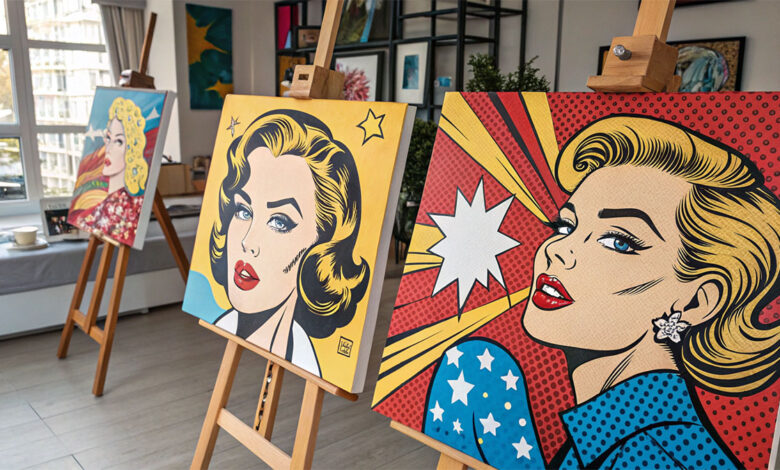
Pop Art Artists is one of the most visually striking and culturally significant movements in modern art. Emerging in the mid-20th century, it challenged traditional artistic conventions by incorporating imagery from mass media, advertisements, comic books, and everyday consumer products. At the heart of this movement are the Pop Art artists whose creativity and innovation reshaped how people perceive art and culture. These artists didn’t just paint or sculpt—they commented on society, celebrity, and consumerism, transforming mundane objects into iconic symbols of artistic expression.
The influence of Pop Art artists extends far beyond galleries and museums. Their work infiltrated advertising, fashion, design, and even music, bridging the gap between high art and popular culture. By embracing familiar imagery, bold colors, and playful repetition, Pop Art made art accessible while simultaneously provoking reflection on the commodification of culture. In this article, we will explore the origins of the Pop Art movement, examine the most influential Pop Art artists, discuss their techniques and themes, and assess their enduring legacy on contemporary art and popular culture.
Origins and History of Pop Art
Emergence of the Pop Art Movement
Pop Art emerged in the 1950s and 1960s, primarily in the United Kingdom and the United States, as a response to the abstract and often introspective nature of Abstract Expressionism. While Abstract Expressionism emphasized the personal, emotional, and gestural aspects of painting, Pop Art turned outward, focusing on the collective experience of consumer culture and mass media. Influenced by the post-war economic boom, rapid industrialization, and the rise of advertising, Pop Art reflected the vibrant visual culture of the era.
Artists working within this movement intentionally blurred the line between “high” and “low” art. By drawing inspiration from comic strips, product packaging, celebrity images, and advertisements, Pop Art elevated everyday objects to the level of fine art. The movement celebrated bold, flat colors, repetitive imagery, and a sense of playful irony, making it immediately recognizable and widely appealing. Pop Art’s emergence also mirrored societal changes, including the growing fascination with fame, the expansion of television, and the consumerist ethos that defined mid-20th-century life.
Early Influencers and Precursors
Before Pop Art was formally recognized as a movement, several artists laid the groundwork for its development. In the UK, Richard Hamilton is often credited as a pioneer with his 1956 collage Just what is it that makes today’s homes so different, so appealing?, which juxtaposed consumer products, advertisements, and household items in a playful yet critical commentary on modern life. Similarly, American artists such as Jasper Johns and Robert Rauschenberg experimented with incorporating everyday objects and imagery into their works, foreshadowing the Pop Art aesthetic.
These early influencers established the idea that art could be derived from popular culture rather than purely from classical or elite traditions. They inspired the next generation of artists to embrace mass media imagery and commercial motifs, leading to the iconic and instantly recognizable works that define Pop Art today.
Iconic Pop Art Artists
Andy Warhol
No discussion of Pop Art artists is complete without Andy Warhol, whose work epitomizes the movement. Born in 1928 in Pittsburgh, Warhol began his career as a commercial illustrator before transitioning into fine art. His signature style, featuring repetition, bright colors, and imagery drawn from advertisements and celebrity culture, made him the poster child of Pop Art.
Some of Warhol’s most famous works include the Campbell’s Soup Cans and the Marilyn Monroe series, both of which transformed familiar subjects into powerful artistic statements. Warhol’s fascination with fame, mass production, and consumer culture allowed him to critique and celebrate modern society simultaneously. Beyond his paintings, Warhol’s influence extended to filmmaking, music, and publishing, solidifying his legacy as a cultural innovator.
Roy Lichtenstein
Another key figure among Pop Art artists is Roy Lichtenstein, known for his comic strip-inspired paintings. Born in 1923, Lichtenstein’s work often employed Ben-Day dots, bold primary colors, and thick outlines, mirroring the printing techniques used in commercial comics. His masterpieces, such as Whaam! and Drowning Girl, elevated comic book imagery to the status of fine art.
Lichtenstein’s work exemplified Pop Art’s playful yet critical approach to consumer culture, celebrity, and mass media. By using techniques associated with commercial production, he challenged notions of originality and artistic value, making him a central figure in the movement.
Other Notable Pop Art Artists
While Warhol and Lichtenstein dominate popular memory, many other Pop Art artists made equally important contributions. Claes Oldenburg transformed everyday objects into oversized sculptures, emphasizing humor and scale. Tom Wesselmann focused on the female form and domestic objects, creating vibrant and provocative still lifes. In the UK, Richard Hamilton and Peter Blake blended collage, advertising, and pop culture references in innovative ways. Each of these artists brought a unique perspective to Pop Art, collectively expanding its visual and thematic boundaries.
Styles, Techniques, and Themes
Visual Characteristics of Pop Art
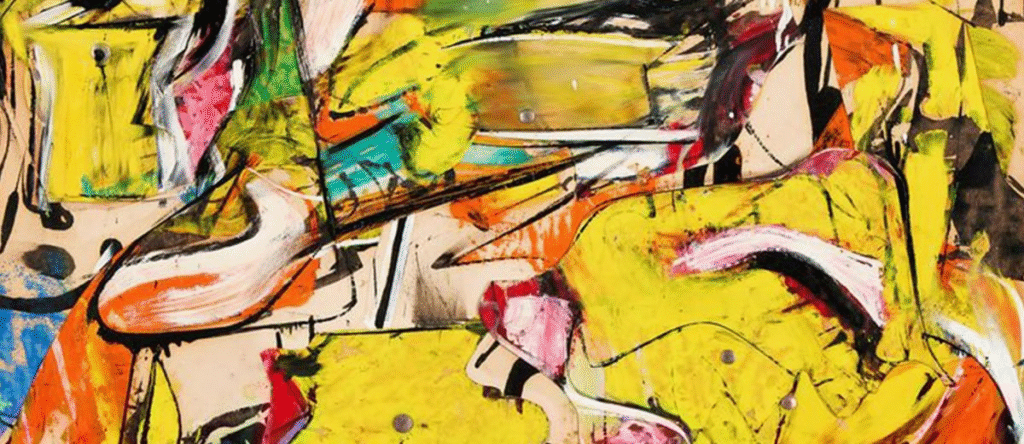
Pop Art is easily identifiable due to its bold, graphic visual style. Artists often employed vivid primary colors, sharp contrasts, and repetitive imagery, reflecting both the aesthetics of advertising and the rise of mass production. Everyday objects, celebrities, and media imagery were central to their work, bridging the gap between ordinary life and fine art.
This visual approach allowed Pop Art to resonate with a broad audience. By using imagery that was familiar and instantly recognizable, artists made their work accessible while simultaneously inviting deeper commentary on consumer culture, fame, and the commodification of art itself.
Techniques Used by Pop Art Artists
Pop Art artists frequently used silkscreen printing, collage, and mixed media techniques, allowing them to reproduce images repeatedly and explore the mechanical aesthetics of mass production. Silkscreen printing, for example, enabled Warhol to produce multiple versions of the same image with slight variations, creating both consistency and subtle nuance. Collage techniques, popular with Hamilton and Blake, allowed artists to juxtapose disparate elements, highlighting cultural contradictions and social commentary.
Recurring Themes and Cultural Commentary
Common themes among Pop Art artists include consumerism, mass media, celebrity culture, and societal critique. By transforming everyday objects and images into art, these artists commented on the ways popular culture shapes perception, identity, and desire. Their works often blend humor and irony, challenging viewers to consider the cultural significance of the mundane and the extraordinary alike.
Legacy and Influence of Pop Art Artists
Influence on Contemporary Art
Pop Art artists have left an enduring mark on contemporary art. Modern creators continue to draw inspiration from the movement’s bold visuals, use of media imagery, and integration of commercial motifs. Today, Pop Art elements appear in fashion, graphic design, advertising, and even digital art, demonstrating the movement’s adaptability and relevance across mediums.
Pop Art in Galleries, Museums, and Collecting
Major museums and galleries worldwide house Pop Art works, preserving the legacy of artists like Warhol, Lichtenstein, and Hamilton. Collectors prize these pieces for both their artistic significance and cultural resonance, with some works fetching millions at auctions. Exhibitions continue to celebrate Pop Art, introducing new generations to its vibrant colors, witty commentary, and revolutionary approach to art.
Conclusion
Pop Art artists transformed modern visual culture by elevating everyday imagery into celebrated art. From Andy Warhol’s celebrity portraits to Roy Lichtenstein’s comic-inspired masterpieces, these creators challenged artistic conventions and reshaped how audiences perceive art. Their bold techniques, vibrant styles, and cultural commentary continue to inspire artists, designers, and creatives today. By blending humor, critique, and visual impact, Pop Art remains one of the most influential and recognizable movements in art history.
Frequently Asked Questions (FAQs)
Who are considered the most famous Pop Art artists?
Andy Warhol, Roy Lichtenstein, Claes Oldenburg, Tom Wesselmann, Richard Hamilton, and Peter Blake are among the most recognized.
What defines Pop Art as a style?
Pop Art features bold colors, everyday imagery, repetition, and inspiration from mass media and consumer culture.
How did Pop Art influence modern art and design?
It introduced commercial and popular imagery into fine art, influencing contemporary art, fashion, graphic design, and advertising.
What are some iconic Pop Art works everyone should know?
Warhol’s Campbell’s Soup Cans, Lichtenstein’s Whaam! and Drowning Girl, and Hamilton’s Just what is it that makes today’s homes so different?
How do Pop Art artists use color and imagery to make a statement?
They employ bright, vivid colors and familiar imagery to draw attention, evoke consumer culture, and create visual impact.
Are Pop Art works valuable for collectors today?
Yes, original works by Pop Art artists are highly valuable and sought after by museums, collectors, and galleries.
Can Pop Art techniques be applied in contemporary creative fields?
Absolutely, including in graphic design, digital art, advertising, fashion, and multimedia projects.
You May Also Read: Marilyn Monroe Dress