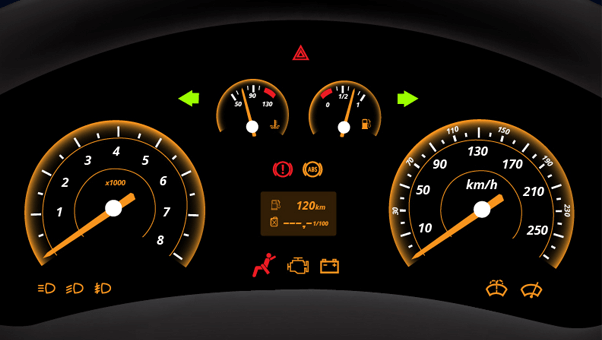
The engine management light (EML) is one of the most important warning signals on your vehicle’s dashboard. Often overlooked by drivers, this light is a communication tool from your car’s Engine Control Unit (ECU), alerting you that something within the engine or its related systems requires attention. Ignoring the EML can lead to minor issues becoming major repairs, potentially costing hundreds or even thousands of dollars. Therefore, understanding the causes, diagnostics, and fixes for this light is crucial for any vehicle owner.
Modern cars are equipped with sophisticated sensors and diagnostic systems that continuously monitor engine performance, emissions, fuel efficiency, and electrical functions. The engine management light is triggered whenever these systems detect irregularities. Its appearance can range from a steady glow to a flashing warning, each indicating different levels of urgency. For example, a steady light may signal a minor issue such as a loose fuel cap, whereas a flashing light often points to serious engine malfunctions that require immediate attention.
In this article, we’ll explore the ins and outs of the engine management light, including common causes, diagnostic procedures, and repair solutions. We’ll also discuss safety precautions for driving with the light on and tips to prevent future occurrences. Whether you’re a DIY enthusiast or a regular car owner, understanding your EML is essential for maintaining vehicle health, improving fuel efficiency, and avoiding costly repairs.
Understanding the Engine Management Light
The engine management light serves as a primary alert system for modern vehicles, signaling that the ECU has detected a fault in the engine or emission control systems. Unlike older vehicles that relied solely on mechanical gauges, today’s cars are equipped with multiple sensors connected to the ECU. These sensors monitor a variety of parameters, including oxygen levels, fuel injection, engine temperature, and airflow, allowing the system to adjust performance in real-time.
It is important to note the difference between the engine management light, the check engine light, and other dashboard warning lights. While many drivers use the terms interchangeably, the EML specifically relates to engine performance and emission systems. Other warning lights, such as the battery or oil indicators, signal problems with electrical systems or lubricants. Understanding this distinction helps prioritize which issues need urgent attention.
The ECU continually compares sensor readings to manufacturer-set thresholds. When a parameter falls outside the acceptable range, a diagnostic trouble code (DTC) is generated, triggering the EML. Depending on the severity of the detected fault, the light may remain on or flash. A flashing EML is particularly concerning, indicating conditions that could cause immediate engine damage, such as misfires or fuel system malfunctions. Recognizing these signals is essential for timely intervention and preventing long-term damage.
Common Causes of Engine Management Light
Engine and Emission Issues
One of the most frequent causes of the engine management light is issues with engine components or emission systems. Faulty oxygen sensors are a common culprit, affecting fuel efficiency and emissions by sending incorrect signals to the ECU. Worn spark plugs or failing fuel injectors can also trigger the EML by causing misfires or incomplete combustion. In some cases, catalytic converter malfunctions may illuminate the light due to the buildup of harmful exhaust gases. Even simple problems, such as an incorrect air-fuel mixture, can generate warnings, as the ECU prioritizes optimal combustion efficiency.
Addressing these issues promptly is vital. For example, a failing oxygen sensor may lead to increased fuel consumption, while a clogged catalytic converter can damage other engine components over time. Regular engine maintenance, including timely spark plug replacement and fuel system cleaning, can prevent many of these problems. Understanding the link between engine components and the EML helps drivers identify potential causes before they escalate.
Electrical and Sensor Malfunctions
Electrical and sensor failures are another common reason the engine management light comes on. Modern engines rely heavily on sensors and wiring to monitor engine performance. A malfunctioning mass airflow sensor (MAF) or engine coolant temperature sensor can disrupt readings, causing the ECU to trigger the EML. Additionally, battery voltage fluctuations or alternator issues may interfere with sensor data, prompting alerts.
Software glitches in the ECU itself, although less common, can also result in false warnings. These may appear as intermittent EML illumination and can sometimes be resolved through ECU resets or software updates. Drivers should be aware that not all EML activations indicate severe mechanical problems—some are related to electronic issues that require specialized diagnostic equipment to identify accurately.
Other Mechanical Issues
Other less obvious mechanical problems can cause the engine management light to activate. Issues with the EGR (Exhaust Gas Recirculation) valve, turbocharger malfunctions, or vacuum leaks can affect engine efficiency and emissions. Even low fluid levels, such as engine oil or coolant, may indirectly trigger the light, as the ECU detects abnormal performance patterns.
Detecting these problems often requires a combination of sensor diagnostics and physical inspection. Ignoring these warnings can lead to severe engine damage over time, so timely action is always recommended. Preventive measures like regular oil changes, cooling system checks, and air intake inspections can help avoid frequent EML triggers.
How to Diagnose the Engine Management Light
Diagnosing the engine management light typically starts with an OBD-II scanner, a tool that connects to your car’s onboard diagnostics port. The scanner reads diagnostic trouble codes (DTCs), which indicate the specific system or component triggering the EML. These codes are essential for pinpointing the exact problem and determining whether it requires urgent attention or routine maintenance.
Common DTCs include codes for oxygen sensor failure, misfires, catalytic converter issues, or fuel system malfunctions. While some codes are straightforward and can be addressed with minor repairs, others may require professional intervention. In addition to scanner diagnostics, visual inspections of engine components, wiring, and fluid levels help identify obvious mechanical or electrical problems.
For DIY enthusiasts, understanding the codes and following manufacturer guidelines is critical. However, some issues may be complex, requiring specialized tools and technical expertise. Recognizing when a problem is beyond DIY repair ensures safety and prevents further damage. Maintaining a regular schedule for diagnostics and inspections can also prevent sudden EML warnings and keep the vehicle in optimal condition.
How to Fix Engine Management Light Issues
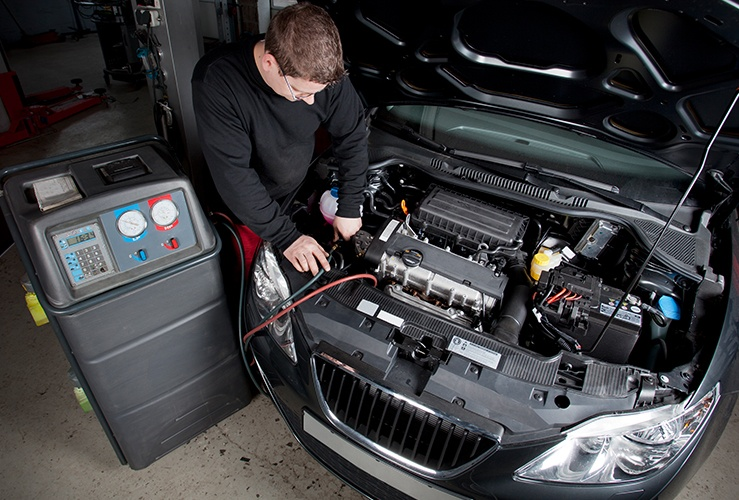
Fixing engine management light issues depends on the underlying cause. Some minor problems, such as a loose or faulty gas cap, can be resolved at home, often resetting the EML once the issue is corrected. Similarly, topping up low fluids or replacing worn spark plugs may solve the problem without the need for professional help.
More serious issues, like catalytic converter failure, turbocharger malfunctions, or major sensor defects, require a qualified mechanic. Repair costs vary widely, from under $100 for minor sensor replacements to several thousand for major engine repairs. Using a certified technician ensures that repairs are performed correctly, preventing repeated EML warnings.
Preventive measures are equally important. Regular maintenance, timely oil changes, fuel system cleaning, and avoiding poor-quality fuel can significantly reduce the risk of engine management light activation. Staying proactive not only prolongs engine life but also saves money and reduces the risk of breakdowns.
Safety Precautions
Driving with the engine management light on requires caution. A steady light may indicate a minor issue, but a flashing EML signals a potentially serious problem, such as engine misfire or overheating. In these cases, it’s recommended to reduce speed, avoid heavy loads, and seek immediate inspection.
Monitoring unusual symptoms like rough idling, reduced power, or strange noises is crucial while the light is on. Ignoring the EML can lead to permanent engine damage, costly repairs, and compromised vehicle safety. Always prioritize professional diagnostics if unsure about the severity of the issue.
Conclusion
The engine management light is a vital tool for keeping your car healthy, alerting drivers to issues that could compromise performance, fuel efficiency, and safety. By understanding its causes, learning diagnostic methods, and taking corrective actions promptly, car owners can prevent minor issues from escalating into major repairs. Regular maintenance, timely inspections, and careful attention to warning signs are key to avoiding frequent EML triggers.
Being proactive with your vehicle not only ensures reliability but also protects your investment and peace of mind. Whether the issue is minor or complex, addressing the EML immediately is always the best course of action.
FAQs
What does the engine management light mean on my car?
It indicates a problem detected by the ECU in the engine or emission system.
Is it safe to drive with the engine management light on?
A steady light is generally safe to drive short distances, but a flashing light requires immediate attention.
Can I reset the engine management light myself?
Minor issues like a loose gas cap can be reset, but most problems require a diagnostic tool or mechanic.
What are the most common causes of the engine management light?
Faulty sensors, misfires, catalytic converter issues, and electrical problems.
How do I diagnose engine management light issues at home?
Using an OBD-II scanner to read DTC codes and performing visual inspections of the engine.
When should I take my car to a mechanic for the engine management light?
If the light flashes, persists, or if you notice unusual noises, vibrations, or reduced performance.
Does the engine management light affect car insurance or roadworthiness?
It can impact roadworthiness checks; unresolved issues may fail inspections.
Can ignoring the engine management light cause permanent damage?
Yes, prolonged neglect can lead to engine damage and costly repairs.
You May Also Read: Lorenzo Zurzolo