The BSA Sloper emerged during an important period in British motorcycling, when manufacturers were moving away from early bicycle-influenced machines and developing motorcycles with more integrated engines, fuel tanks, transmissions and controls. Introduced for the 1927 season, BSA’s forward-inclined single-cylinder design created a low, distinctive motorcycle that remained recognizable throughout its development. Production continued into 1935, but the machines sold under the familiar Sloper name did not all share one specification.
That distinction matters to anyone researching a BSA Sloper today. Engines, valve arrangements, gearboxes and equipment changed as the range developed, meaning a 1928 motorcycle can differ significantly from one produced during the final years. Surviving examples have also lived through almost a century of repairs and modifications. Understanding a Sloper therefore starts with its individual model and year rather than assuming every motorcycle carrying the name was mechanically identical.
How the BSA Sloper Began
BSA introduced its new sloping-engine motorcycle at a time when practical road performance was becoming increasingly important. The engine leaned noticeably forward in the frame, contributing to a lower-looking, more integrated profile than the upright arrangements common on many earlier motorcycles. Combined with the saddle tank and low riding position, the layout gave the machine an identity that riders could recognize without needing to see the badge on the fuel tank.
The BSA Sloper subsequently developed into a broader selection of machines rather than remaining one unchanged model. Early motorcycles carried S-series designations associated with their production periods, while later Slopers appeared with M-series model names. Both overhead-valve and side-valve versions existed, allowing BSA to offer motorcycles with different performance characteristics and intended uses. These changes are essential when discussing specifications because there is no single technical description that accurately covers every Sloper built.
Engines and Mechanical Development
A well-known early BSA Sloper specification used a 493cc single-cylinder overhead-valve engine. Its long-stroke dimensions suited the engineering practices of the period, when large singles were valued for useful road-going torque and comparatively straightforward construction. Side-valve alternatives also became part of the family. Rather than viewing one layout as simply replacing the other, it is better to understand them as different versions offered within BSA’s evolving pre-war range.
Engine capacity also changed during the Sloper’s life. By the final production period, 595cc OHV and side-valve versions were available, demonstrating how far the range had moved from its early 500cc-class machines. The BSA Sloper story is therefore one of gradual mechanical development. Buyers researching a surviving motorcycle should confirm its actual engine type and model instead of applying the familiar 493cc specification to every example they encounter.
Gearboxes, Controls and Period Engineering
Transmission changes provide another clear example of development. Earlier Slopers used three-speed gearboxes, which were typical of motorcycles in their class and period. Four-speed transmission appeared later as BSA continued refining the range during the early 1930s. For modern collectors, this means the gearbox can provide useful context when examining a motorcycle, although individual machines may have received replacement components during decades of use and restoration.
The BSA Sloper also belongs to an era before modern electronic ignition, hydraulic brakes and standardized motorcycle controls. Period machines relied on mechanical and electrical systems that require a different approach from contemporary motorcycles. Magneto-based ignition, traditional carburetion and period lubrication arrangements are part of the ownership experience. These systems can work effectively when correctly maintained, but anyone restoring one should use documentation appropriate to the particular year instead of relying on maintenance practices developed for modern bikes.
Understanding Sloper Model Names
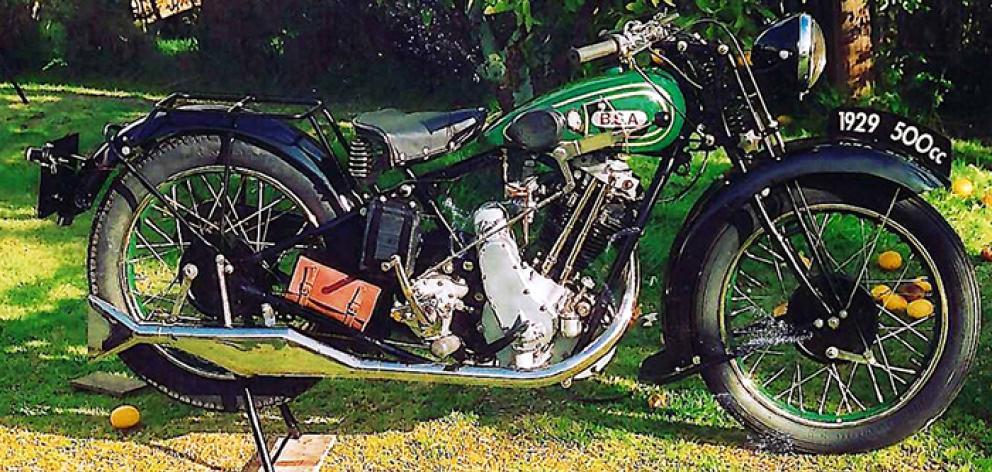
Model identification is one of the most useful skills for anyone seriously interested in a BSA Sloper. Early examples are encountered under names such as S27, S28, S29, S30, S31 and S32. These designations help place motorcycles within the development of the range, but they should not be treated as a universal decoding system. Later machines adopted M-series designations, including models from the M33, M34 and M35 periods, making the overall history more complicated than a simple sequence of S-numbers.
Suffixes and specification differences can further distinguish models, including whether a machine used an overhead-valve or side-valve engine. Consequently, identification should combine model designation with engine and frame information, period catalogues and surviving equipment. A BSA Sloper offered for sale as a particular year should ideally match the important characteristics expected for that model. This process can also reveal later modifications that might otherwise be mistaken for original factory features.
Originality and Nearly a Century of Changes
Finding a completely untouched pre-war motorcycle is difficult, and originality is rarely a simple yes-or-no question. A BSA Sloper may have received replacement electrical equipment, controls, wheels, mudguards, exhaust parts or other components during its working life. Some alterations may date from decades ago, while others may have been introduced during a modern restoration. The significance of those changes depends on what the owner wants from the motorcycle and how accurately its history can be documented.
Period modifications deserve particular care. Accessories could sometimes be fitted by dealers or owners rather than installed in exactly the same configuration at the factory. A motorcycle with an old modification is therefore not automatically historically worthless, but buyers should understand what they are looking at. Factory-correct components, genuine period accessories and recent reproduction parts represent different things to collectors. Good documentation helps distinguish those categories and prevents restoration assumptions from being presented as historical fact.
Buying a BSA Sloper Today
A potential buyer should inspect more than polished paint and chrome. Before purchasing a BSA Sloper, establish which model the motorcycle is claimed to be and compare its major features with reliable period information. Engine and frame identification, gearbox type, valve arrangement, cycle parts and available paperwork can all contribute to that assessment. Mechanical condition is equally important because repairing an incomplete or incorrectly assembled pre-war motorcycle can become considerably more complicated than cosmetic restoration.
Price should be considered only after those questions are answered. Advertised values can vary substantially, and a seller’s asking price does not establish what a motorcycle is genuinely worth. Rarity, condition, originality, restoration quality, provenance and completeness all affect collector interest. A documented motorcycle retaining significant correct components may be viewed differently from an attractive machine assembled using parts from several years. Comparing genuinely similar completed sales is more meaningful than applying one general price range to every Sloper.
Restoring a BSA Sloper Correctly
The best restoration begins with research. Before dismantling a BSA Sloper, owners should photograph its existing configuration and record identification numbers, fittings and any evidence of previous alterations. Period parts books, manuals and model-specific information can then help establish which components are likely to belong to that particular motorcycle. This approach reduces the risk of removing historically interesting features simply because they differ from another Sloper shown online.
Parts sourcing also requires patience. Specialist suppliers and vintage motorcycle networks can provide reproduction, used and sometimes original components, but the existence of a “Sloper part” does not guarantee compatibility with every version. Engine, exhaust, gearbox and cycle components may differ between production periods. When safety-related systems are involved, mechanical condition should take priority over appearance. Brakes, tyres, wheel bearings, controls, fuel lines and ignition equipment deserve careful assessment before any long-stored motorcycle returns to the road.
Riding a BSA Sloper in the Modern Era
Riding a BSA Sloper offers a very different experience from operating a modern motorcycle. Acceleration, braking, lighting and controls reflect technology developed almost a century ago. That difference is part of the historical experience, but it also requires realistic expectations. A restored motorcycle should not be assumed roadworthy solely because it runs well at idle or looks immaculate. The complete machine needs to be assessed according to its age, condition and intended use.
For many owners, historic runs, club gatherings, exhibitions and occasional leisure rides provide an appropriate way to enjoy these motorcycles. Mechanical familiarity is valuable because routine adjustments and maintenance form a larger part of vintage ownership than they do with many modern bikes. The BSA Sloper can still function as a motorcycle rather than merely a display object, but preservation and careful operation are important when dealing with machinery that may be approaching its hundredth year.
Why the BSA Sloper Remains Collectible
Collector interest comes partly from the Sloper’s instantly recognizable engineering. The inclined engine and low overall proportions give it a visual identity strongly associated with its period, while the range’s mechanical development provides enthusiasts with numerous variations to study. It also represents an era when BSA was one of the major names shaping Britain’s motorcycle industry, making surviving machines relevant to the broader history of British transportation and manufacturing.
The BSA Sloper is equally interesting because understanding one often involves detective work. Model numbers, engine types, old repairs and surviving documents can reveal how an individual motorcycle changed throughout its life. That makes careful preservation especially valuable. The most informative surviving examples are not necessarily those with the brightest restoration; sometimes a motorcycle retaining documented period details can tell considerably more about how these machines were originally built, sold and used.
Conclusion
The BSA Sloper developed considerably between its introduction for 1927 and the end of production in 1935. What began as a distinctive forward-inclined single-cylinder motorcycle expanded into a family that included different capacities, valve arrangements, transmissions and model designations. Early 500cc-class machines and later 595cc versions therefore belong to the same historical story without sharing one universal specification.
For collectors, restorers and vintage motorcycle enthusiasts, the BSA Sloper is best understood through accurate identification rather than general assumptions. Establishing the model, year, mechanical configuration and history of an individual example makes buying decisions more informed and restorations more responsible. Nearly a century after the first Slopers appeared, surviving motorcycles continue to provide a direct view of how British motorcycle design evolved during the years before the Second World War.
FAQs
When was the BSA Sloper produced?
The Sloper family appeared for the 1927 season and remained in BSA’s range through 1935, with specifications and model designations changing during those years.
Why is the motorcycle called a Sloper?
The familiar name refers to its distinctive forward-inclined engine arrangement, which helped give the motorcycle its recognizable low-profile appearance.
Did every BSA Sloper have a 493cc engine?
No. Early well-known versions used a 493cc single-cylinder engine, while capacities and specifications changed during the range’s development, including later 595cc machines.
Were BSA Slopers OHV or side-valve motorcycles?
Both configurations existed. BSA offered overhead-valve and side-valve Slopers, so the exact engine arrangement depends on the model and production period.
What do BSA Sloper model numbers mean?
Early machines used S-series designations such as S29 and S31, while later Slopers used M-series names. The designation should be checked with year-specific records when identifying a motorcycle.
You May Also Read: Pinchbeck Lincs