
A dado rail is a horizontal molding fixed to the wall, traditionally designed to protect the surface from furniture and general wear and tear. While functional, dado rails also provide a stylish architectural feature that adds depth, elegance, and character to a room. Originating from classical architecture in Europe, these rails were commonly found in Georgian and Victorian homes, where they served both aesthetic and practical purposes. Their placement creates a clear separation between the upper and lower portions of a wall, often allowing for decorative wallpaper or painted sections beneath the rail.
Beyond their historical significance, dado rail have adapted to modern interior design trends. Today, they are popular in both traditional and contemporary homes, providing a subtle yet impactful design feature. Homeowners can use dado rails to visually segment large walls, enhance room proportion, and introduce a layered, sophisticated look without major renovation. Their presence not only adds charm but also emphasizes attention to detail in interior décor.
Moreover, dado rails are incredibly versatile. They can be combined with wainscoting, painted panels, or decorative trims to create bespoke designs tailored to specific rooms. They offer an elegant solution for hallways, dining rooms, and bedrooms, while also providing protection against scuffs from chairs and other furniture. This balance of practicality and style is why dado rails continue to be a timeless choice for homeowners looking to enhance both the beauty and durability of their walls.
Types and Styles of Dado Rails
Dado rails come in a variety of materials, each offering unique aesthetic and practical benefits. Traditionally, wood was the most common material, prized for its durability and ease of customization through staining or painting. MDF (medium-density fiberboard) has become popular for its affordability, smooth finish, and ability to be molded into intricate designs. PVC and other synthetic materials are lightweight, resistant to moisture, and ideal for kitchens or bathrooms where humidity can be an issue. Some homeowners even opt for metal dado rails for a modern, industrial aesthetic.
Design variations of dado rails range from simple and understated to ornate and highly decorative. A classic Victorian profile might feature intricate molding and curves, while a modern, minimalist rail could be flat and streamlined. The choice of style depends largely on the room’s overall design, architectural features, and personal taste. Profile and dimensions also vary, with standard heights ranging from 80 to 120 centimeters above the floor and widths that can be adjusted to suit the space. Decorative profiles, such as beveled edges or fluted designs, offer added sophistication and create visual interest along otherwise plain walls.
When choosing a dado rail, consideration should be given to both aesthetic and practical needs. For example, a high-traffic hallway may benefit from a more robust, thicker rail, while a decorative panel in a living room might prioritize style over durability. Selecting the right combination of material, design, and dimensions ensures that the dado’rail complements the room while serving its intended purpose of protection and elegance.
Installation Process and Tips
Installing a dado rail requires precise measurement, careful planning, and the right tools. The first step is determining the correct height, which typically ranges from 80 to 120 centimeters from the floor, depending on ceiling height and room proportion. Using a spirit level and measuring tape, mark a continuous line along the wall to guide placement. Accuracy at this stage is critical to ensure a straight, professional-looking installation.
For DIY installation, essential tools include a saw for cutting the rail to size, adhesive or screws for securing it to the wall, a drill, finishing nails, and filler for smoothing joints. Start by cutting the rail to fit the wall length, then attach it carefully along the marked line. Corners can be mitered for a clean, seamless appearance. Some dado rails can be glued directly to the wall, while heavier wooden designs may require screws for additional support. Filling gaps, sanding, and priming ensures a polished finish before painting or staining.
Common mistakes to avoid include inaccurate measurement, misalignment, or using inappropriate fasteners for the wall type. It’s important to account for obstacles like electrical outlets, switches, or uneven wall surfaces. For those less confident in their DIY skills, hiring a professional can save time and guarantee a high-quality result. Professionals can also recommend optimal placement, finishes, and complementary wall treatments to maximize the dado rail’s impact.
Decorating and Styling with Dado Rails
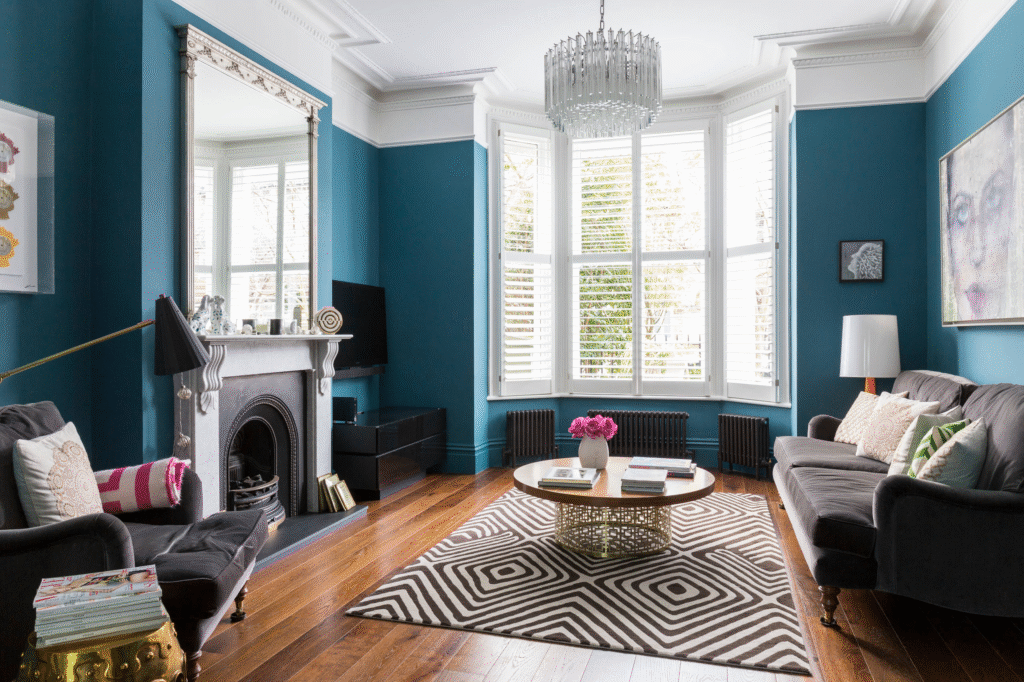
Dado rails are not just functional—they are a creative tool for interior styling. They can be painted or stained in contrasting colors to add visual interest or match existing décor. For example, a white rail paired with a pastel lower wall section creates a light, airy feel, while a dark-stained rail adds a sense of sophistication. Additionally, combining dado rails with wainscoting or paneling elevates the design, giving rooms a classic or luxurious look depending on the style chosen.
In terms of spatial design, dado rails help define areas within a room. They can separate different wall finishes, such as textured wallpaper below and plain paint above, creating a sense of proportion and balance. This technique is especially effective in long hallways or rooms with tall ceilings, where the rail visually breaks up vertical space and adds architectural detail without overwhelming the eye.
Creative interior design ideas include using multiple layers of rails for a gallery effect, adding decorative molding, or integrating LED lighting above or below the rail for subtle illumination. Dado rails are suitable for almost any room—dining rooms benefit from traditional elegance, bedrooms gain cozy charm, and hallways are enhanced with protection and style. The versatility of dado rails allows homeowners to personalize spaces while maintaining a cohesive aesthetic throughout the home.
Maintenance and Longevity
Maintaining dado rails is straightforward but crucial for long-term appearance. Regular dusting and gentle cleaning with a damp cloth prevent dirt buildup, while occasional polish or wax maintains wooden finishes. Painted or MDF rails can be wiped down with a mild detergent, but avoid abrasive cleaners that could damage the surface. Minor scratches or chips can be repaired with touch-up paint, filler, or sanding for wooden or MDF rails, ensuring the rail looks pristine.
Proper care extends the life of dado rails. Avoid prolonged exposure to moisture, especially for wooden or MDF materials, to prevent warping or swelling. For synthetic or PVC rails, routine checks for discoloration or detachment from the wall help maintain their effectiveness and appearance. Periodically inspect joints and corners to address any looseness or gaps before they worsen.
Replacing or upgrading dado rails is a relatively simple process compared to other architectural modifications. Modern designs offer improved durability, ease of installation, and decorative options. By selecting high-quality materials, performing proper installation, and adhering to maintenance guidelines, homeowners can enjoy the aesthetic and protective benefits of dado rails for many years.
Conclusion
Dado rails are a timeless and versatile architectural feature that combines functionality with aesthetic appeal. They protect walls from damage, define spaces, and offer opportunities for creative interior design. From choosing the right material and style to precise installation and maintenance, each aspect contributes to a polished and enduring finish.
Whether for traditional or modern homes, dado rails enhance the visual proportion of rooms, provide practical protection, and elevate interior design with minimal effort. By understanding the history, types, installation process, and styling options, homeowners can make informed choices and transform ordinary walls into elegant, purposeful design features.
FAQs
What is a dado rail, and why is it used?
A dado rail is a horizontal molding attached to walls, providing protection and aesthetic separation between wall sections.
At what height should a dado rail be installed?
Typically between 80 to 120 centimeters from the floor, depending on ceiling height and room proportion.
What materials are commonly used for dado rails?
Common materials include wood, MDF, PVC, and metal, each offering different aesthetics and durability.
Can I install a dado rail myself, or should I hire a professional?
DIY installation is possible with proper tools and planning, but professional installation ensures precision and quality finish.
How do I choose the right style for my room?
Consider room design, wall treatments, and desired aesthetic—traditional, modern, simple, or ornate.
Can dado rails be painted or stained?
Yes, they can be customized to match décor or provide contrast with wall colors.
Do dado rails protect walls from damage?
Yes, they prevent scuffs, scratches, and marks from furniture and general wear.
How do I maintain or clean a dado rail?
Regular dusting, gentle cleaning, and touch-ups for scratches ensure long-lasting appearance.
Can dado rails be used in modern interior designs?
Absolutely, contemporary designs can benefit from sleek, minimalist rails or bold contrasting colors.
Are there alternatives to traditional dado rails for wall decoration?
Yes, options include chair rails, picture rails, wainscoting, and decorative paneling for similar visual effects.
You May Also Read: Pork Scratchings