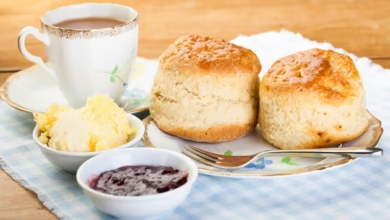
Cheese scones are a beloved staple of British baking, offering a perfect combination of light, fluffy texture and rich, savory flavor. Unlike sweet scones, which are typically enjoyed with jam or cream, cheese scones deliver a hearty taste that makes them ideal for breakfast, brunch, tea, or even as a snack. Their versatility and simplicity have contributed to their widespread popularity in homes and cafes around the world.
The beauty of cheese scones lies in their balance of ingredients. A delicate mix of flour, butter, and milk forms a tender base, while the cheese adds flavor, aroma, and a golden crust when baked. Despite their simplicity, achieving the perfect cheese scone requires attention to detail in mixing, shaping, and baking. Overworking the dough can lead to dense scones, while incorrect oven temperatures can prevent a fluffy rise.
This article serves as a comprehensive guide for both beginners and seasoned bakers who want to master the art of cheese scones. From understanding the history and origin of scones to choosing the best ingredients, following a step-by-step recipe, and exploring creative variations, this guide provides everything needed to bake exceptional scones. Additionally, practical tips and common mistakes to avoid are included, ensuring that every batch comes out perfectly golden, cheesy, and delicious.
By the end of this article, readers will be equipped not only with a foolproof recipe but also with the knowledge to experiment with flavors and create their own signature cheese scones.
History and Origin of Cheese Scones
Scones have been a traditional part of British and Irish baking for centuries, originally appearing in Scottish kitchens in the early 16th century. Traditionally, scones were simple quick breads, lightly sweetened and often served with tea. Over time, variations emerged, including the savory cheese scone, which gained popularity as a substantial accompaniment to meals or a snack on its own.
Cheese scones are thought to have evolved as a more robust alternative to sweet scones, utilizing locally available cheeses such as cheddar. In British culture, cheese scones are often enjoyed with afternoon tea or alongside soups, salads, or charcuterie boards. The introduction of cheese added not only flavor but also texture, producing a slightly crisp exterior while retaining a tender, airy interior.
Today, cheese scones are celebrated beyond the UK, appearing in cafes, bakeries, and home kitchens worldwide. Modern adaptations include incorporating herbs, spices, and specialty cheeses to enhance flavor profiles. Despite these innovations, the fundamental principles of a perfect cheese scone—fluffy, golden, and cheesy—remain unchanged. Understanding this history helps bakers appreciate the culinary tradition behind their efforts and inspires creativity while respecting the classic technique.
By recognizing their origins, bakers can also explore the cultural significance of cheese scones and their enduring appeal in both traditional and contemporary cuisine.
Ingredients and Baking Essentials
Creating perfect cheese scones begins with selecting high-quality ingredients. The basic components include all-purpose flour, baking powder for leavening, cold butter for flakiness, milk for moisture, and cheese for flavor. Cheddar is the most commonly used cheese due to its sharp flavor and excellent melting qualities, but other cheeses like Gruyère, Red Leicester, or even a smoked variety can be used to introduce complexity.
Choosing the right butter is equally important, as it contributes to the scones’ tenderness. Cold butter ensures a flaky texture by creating layers as it melts during baking. The flour provides structure, while the baking powder ensures a light, airy rise. Milk or buttermilk not only binds the dough but also enhances richness and flavor. Additional optional ingredients, such as chopped herbs (chives, rosemary), paprika, or mustard powder, can elevate the savory profile of the scones.
Proper baking equipment also makes a significant difference. A sharp knife or a pastry cutter for shaping, a baking sheet lined with parchment paper, and an oven thermometer to maintain accurate temperature are essential tools. A pastry brush may be used to apply milk or egg wash for a golden finish. Ensuring these ingredients and tools are prepared and measured accurately sets the foundation for successful baking.
Attention to ingredient quality and proper preparation ensures that each scone achieves the desired balance of flavor, texture, and appearance. These basics are essential for both novice and experienced bakers aiming to create consistent, delicious results.
Step-by-Step Cheese Scone Recipe
The process of making cheese scones begins with preparing the dough. Start by combining dry ingredients—flour, baking powder, and a pinch of salt—in a mixing bowl. Rub in cold butter until the mixture resembles breadcrumbs. This step is crucial for achieving the light, flaky texture characteristic of good scones. Next, stir in grated cheese and any optional herbs or spices for added flavor.
Once the dry mixture is ready, add milk gradually, mixing gently to form a soft dough. Avoid overworking the dough, as excessive kneading can make the scones dense rather than airy. Pat the dough into a thickness of about 2–3 centimeters and use a round cutter or knife to shape individual scones. Place them evenly on a lined baking sheet, leaving a small gap for expansion.
Bake the scones in a preheated oven at approximately 200°C (392°F) for 12–15 minutes, or until golden brown on top. The aroma of baked cheese will fill the kitchen, and the scones should rise to create a soft, fluffy interior. For added visual appeal, brush the tops with milk or beaten egg before baking to achieve a glossy finish.
After baking, allow the scones to cool slightly before serving. They can be enjoyed plain, with butter, or paired with soups and salads. Proper storage in an airtight container ensures freshness for up to two days, while freezing unbaked or baked scones allows for convenient baking later without compromising texture or flavor.
Variations and Creative Twists
Cheese scones are versatile, and creative variations can enhance both flavor and presentation. Herb-infused cheese scones, for instance, include chives, rosemary, or thyme, which pair beautifully with sharp cheddar. These scones are ideal for brunch spreads or picnic baskets. Spicy variations can incorporate paprika, chili flakes, or mustard powder for an added kick, appealing to those who enjoy bold flavors.
Mini cheese scones or bite-sized versions are excellent for parties, snacks, or appetizer platters. These smaller scones bake quickly and are perfect for serving alongside dips or soups. For those with dietary restrictions, gluten-free flour blends or vegan cheese substitutes allow everyone to enjoy this savory treat. These alternatives require slight adjustments in moisture and baking time but can still yield soft, flavorful results.
Cheese scones can also be paired with complementary ingredients, such as sun-dried tomatoes, olives, or caramelized onions. These additions create gourmet variations suitable for special occasions or cafe-style presentation. The flexibility in recipes and ingredients demonstrates the adaptability of cheese scones while preserving their core appeal: a light, cheesy, and satisfying bite.
Experimenting with these creative twists ensures that cheese scones remain a dynamic and appealing choice for a variety of occasions, from casual breakfasts to elegant brunches.
Tips for Perfect Cheese Scones Every Time

To consistently bake perfect cheese scones, attention to detail is key. One common mistake is overmixing the dough, which can lead to dense scones. Always mix lightly and handle the dough gently. Another essential tip is to use cold butter, which ensures the layers separate during baking, resulting in a tender and flaky interior.
Maintaining the correct oven temperature is also crucial. Too hot an oven can brown the scones unevenly, while too cool an oven may prevent proper rising. Using an oven thermometer helps achieve consistent results. For extra flavor, freshly grated cheese is preferable over pre-shredded varieties, which often contain anti-caking agents that affect melting.
Enhancing flavor and texture can also be achieved by experimenting with cheese combinations or adding herbs and spices. Additionally, brushing the tops with milk or egg wash ensures a golden, appetizing finish. Proper cooling and storage are essential to retain moisture and maintain softness, whether consumed fresh or reheated later.
Following these tips ensures that every batch of cheese scones achieves the ideal combination of fluffiness, flavor, and visual appeal, whether for daily enjoyment or special gatherings.
Conclusion
Cheese scones are a timeless savory treat, combining simplicity with flavor and versatility. By understanding their history, selecting the best ingredients, following precise baking steps, and experimenting with variations, bakers can create scones that are fluffy, golden, and irresistibly cheesy. Perfect for breakfast, brunch, or afternoon tea, these scones delight both casual and gourmet palates.
Baking cheese scones encourages creativity in the kitchen, whether adding herbs, spices, or unique cheeses. The tips outlined above help prevent common mistakes, ensuring that each scone is consistently successful. With practice and attention to detail, cheese scones can become a staple recipe in any home baker’s repertoire.
The satisfaction of biting into a warm, fluffy, and cheesy scone is unmatched. By mastering this classic recipe, anyone can enjoy a taste of British culinary tradition while exploring modern twists and personalized flavors.
Frequently Asked Questions (FAQs)
What cheese is best for cheese scones?
Cheddar is the most popular choice due to its flavor and melting quality, but Gruyère, Red Leicester, or smoked cheeses also work well.
Can I make cheese scones ahead of time?
Yes, you can prepare the dough and refrigerate it for a few hours before baking. Baked scones can be stored in airtight containers or frozen.
How can I make cheese scones soft and fluffy?
Use cold butter, avoid overmixing, and ensure proper oven temperature for even rising and texture.
Are cheese scones suitable for freezing?
Yes, both baked and unbaked scones freeze well. Reheat or bake from frozen to maintain freshness.
Can I make cheese scones gluten-free or vegan?
Yes, use gluten-free flour blends or vegan cheese substitutes with minor adjustments to liquid and baking time.
How long do cheese scones stay fresh?
Stored in an airtight container, they remain fresh for 1–2 days; reheating restores softness.
You May Also Read: Autumn Budget 2025