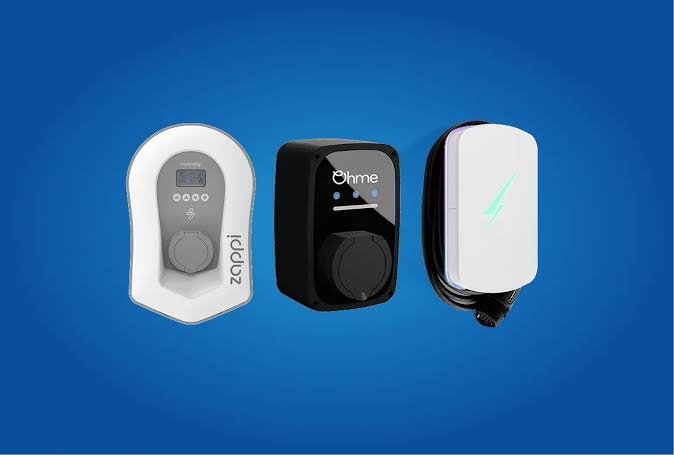
Choosing a home EV charger is no longer only about charging speed. Modern electric vehicle owners want a charger that can reduce electricity costs, work with smart energy tariffs, support renewable energy, look good on the outside of their home, and remain reliable for years. This is why the comparison between Hypervolt vs Ohme has become one of the most searched EV charger comparisons in the UK.
Both brands offer advanced 7.4kW home charging solutions, but they are designed with slightly different priorities. Hypervolt Home 3 Pro focuses on premium hardware, attractive design, energy monitoring, and solar-friendly features. Ohme Home Pro focuses heavily on intelligent charging, tariff integration, and helping drivers automatically charge when electricity prices are lower.
The best choice depends on how you use your EV. A homeowner with solar panels may prefer Hypervolt, while someone looking to minimise charging costs through smart tariffs may find Ohme more suitable. This guide compares both chargers across design, performance, app features, solar compatibility, pricing, installation, and real-world ownership to help you choose the right option.
Hypervolt vs Ohme: Quick Comparison and Final Verdict
Before comparing every feature, it is important to understand the main difference between these two chargers. Hypervolt and Ohme both provide reliable home EV charging, but they solve different problems. Hypervolt is designed for users who want a premium charging experience with strong hardware quality and a smart home feel. Ohme is designed for users who want automated charging decisions that help reduce electricity costs.
The biggest advantage of Ohme is its smart tariff integration. It works especially well for drivers who use energy plans where electricity prices change throughout the day because the charger can automatically schedule charging during cheaper periods. Hypervolt, meanwhile, stands out for its design, cable options, solar-focused features, and energy monitoring experience.
| Feature | Hypervolt Home 3 Pro | Ohme Home Pro |
| Charging speed | 7.4kW | 7.4kW |
| Best for | Solar users and premium home setups | Smart tariff users |
| Design | Premium colours and LED design | Compact practical design |
| App focus | Energy monitoring and control | Automated cost-saving charging |
| Solar features | Strong solar integration | Smart charging focused |
| Display | No built-in display | Built-in screen |
| Connectivity | Wi-Fi, Bluetooth, Ethernet options | Wi-Fi and mobile connectivity |
| Ideal user | Wants premium experience | Wants cheaper charging |
For most drivers, neither charger is universally better. The better choice depends on whether you value energy savings and automation or design, solar features, and premium ownership experience.
Hypervolt Home 3 Pro vs Ohme Home Pro: Design and Build Quality
The design difference between Hypervolt and Ohme is immediately noticeable. The Hypervolt Home 3 Pro is built to look like a premium smart home product rather than a traditional electrical box. It features a modern shape, customisable LED lighting, multiple colour choices, and integrated cable storage that helps keep the installation area cleaner. For homeowners who install their charger on a visible driveway wall, appearance can be an important factor.
Hypervolt also focuses strongly on outdoor durability. Its premium construction makes it appealing for homeowners who want a charger that can handle exposed outdoor environments while maintaining a stylish appearance. This makes it particularly attractive for properties where the charger is positioned at the front of the house or in an open driveway area.
The Ohme Home Pro takes a different approach. Instead of focusing on visual design, it prioritises practicality. The unit is compact, includes a built-in screen, and provides charging information directly on the device. This can be useful for users who prefer quick access to charging details without opening a mobile application.
While Ohme may not have the same premium appearance as Hypervolt, its functional design works well for garages, side walls, and users who care more about performance than appearance. If aesthetics are important, Hypervolt has the advantage. If simplicity and practicality matter more, Ohme remains a strong option.
Charging Performance and Everyday Driving Experience
Both Hypervolt Home 3 Pro and Ohme Home Pro provide similar charging performance for most UK homes. With a maximum output of around 7.4kW on a typical single-phase domestic connection, both chargers can recharge many EV batteries overnight. The actual charging speed depends on the vehicle’s onboard charger, battery size, and electrical installation.
The main difference is not how quickly they charge but how intelligently they manage charging sessions. Hypervolt gives users more direct control through its app, allowing them to monitor energy use, schedule charging, and understand how their EV affects household electricity consumption.
Ohme focuses more on automatic decision-making. Instead of requiring users to manually decide the cheapest charging time, the system can use tariff information to determine when charging should happen. This is especially useful for people who want a simple “plug in and let the charger handle everything” experience.
For everyday EV ownership, both chargers perform well. The better option depends on whether you prefer actively managing your charging or allowing software to optimise it automatically.
Hypervolt vs Ohme App Features and Smart Charging
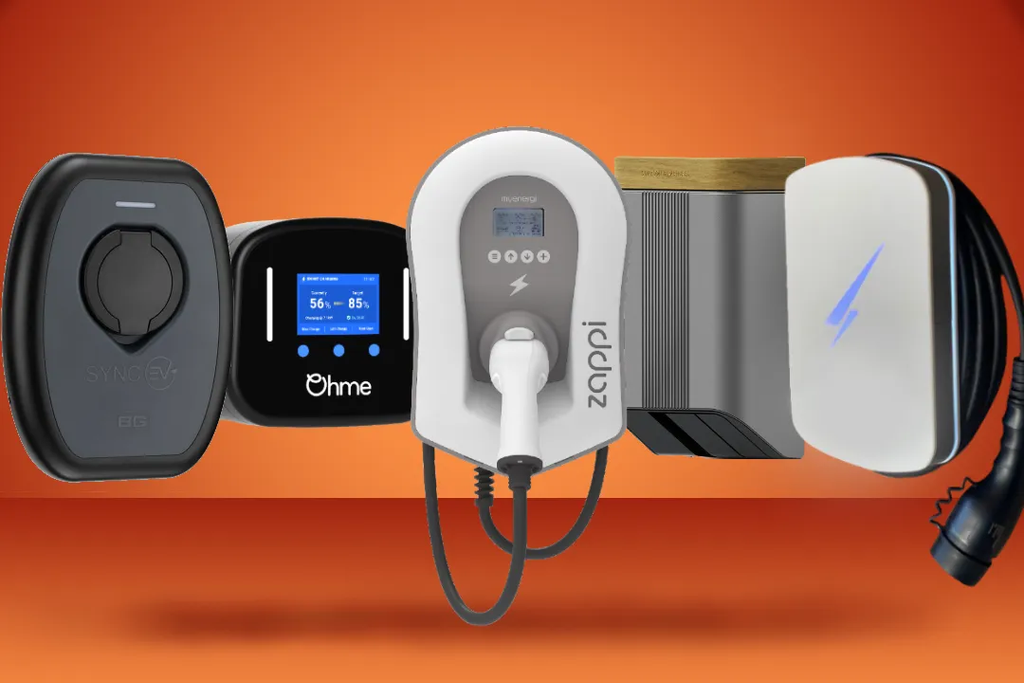
The app experience is one of the biggest differences between these two chargers. Hypervolt’s app focuses on giving homeowners more visibility into their energy usage. Users can view charging history, monitor energy consumption, control charging sessions, and manage smart features from their phone.
One of Hypervolt’s biggest advantages is its appeal to energy-conscious homeowners. People with solar panels or future plans for renewable energy often appreciate having better visibility into how much energy is being generated, consumed, and used for vehicle charging.
Ohme’s app is built around intelligent charging automation. Instead of mainly focusing on energy monitoring, it helps drivers achieve charging goals while taking advantage of cheaper electricity periods. Users can set requirements such as having the car ready by a specific time, and the charger can manage the charging schedule accordingly.
The better app depends on your priorities. Hypervolt is better for users who enjoy monitoring and controlling their home energy system. Ohme is better for users who want automated charging with minimal involvement.
Hypervolt vs Ohme for Solar Charging
Solar compatibility has become an important factor for EV owners because many households now generate their own electricity. A smart charger that works well with solar energy can help homeowners use more of their own power instead of sending unused electricity back to the grid.
Hypervolt has a strong advantage for solar-focused homes because its features are designed around energy monitoring and solar integration. Users who want their EV charging to become part of a wider renewable energy setup may find Hypervolt more attractive.
Ohme also supports smart charging features, but its main strength is not solar management. The company focuses more heavily on tariff optimisation and helping drivers charge when electricity is cheapest. For homeowners without solar panels who mainly want lower charging costs, this approach can be extremely valuable.
If your home already has solar panels or you are planning a solar installation, Hypervolt may provide a better experience. If your priority is reducing electricity bills through smart tariffs, Ohme may be the better choice.
Smart Tariffs and Electricity Cost Savings
For many EV owners, the biggest long-term cost difference comes from when the vehicle charges rather than the charger itself. Electricity prices can vary significantly depending on the tariff, and smart chargers help drivers take advantage of cheaper periods.
Ohme has built its reputation around smart tariff charging. It is particularly attractive for drivers using energy plans that reward flexible charging because the charger can automatically schedule sessions based on available pricing information.
Hypervolt also supports smart charging features, but its strongest selling points are different. It focuses more on combining charging control, energy monitoring, and renewable energy usage rather than being primarily tariff-driven.
For drivers who mainly charge overnight and want the lowest possible electricity costs, Ohme has a strong advantage. For users building a complete smart home energy system, Hypervolt may provide greater flexibility.
Installation, Connectivity, and Long-Term Ownership
Both Hypervolt and Ohme require professional installation, and the final cost depends on factors such as cable distance, electrical upgrades, and property layout. The charger itself is only one part of the investment, so homeowners should consider installation requirements before making a final decision.
Connectivity is another important consideration. Ohme includes mobile connectivity options, which can be helpful in locations where Wi-Fi coverage is weak. Hypervolt focuses on home network connectivity options, including Wi-Fi and other connection methods depending on installation requirements.
Long-term ownership also depends on your lifestyle. A charger installed in an exposed driveway may benefit from Hypervolt’s premium hardware approach, while someone focused mainly on affordable smart charging may prefer Ohme’s software-driven experience.
Both brands provide reliable solutions, but choosing the right charger means considering your home environment, energy setup, and future plans.
Which EV Charger Should You Choose: Hypervolt or Ohme?
The choice between Hypervolt and Ohme becomes easier when you match the charger with your situation. There is no single winner because each brand is designed around different priorities.
Choose Hypervolt Home 3 Pro if you:
- Have solar panels or plan to install them
- Want a premium-looking charger
- Care about smart home integration
- Need strong energy monitoring features
- Prefer better visual design and cable management
Choose Ohme Home Pro if you:
- Want to reduce EV charging costs
- Use smart energy tariffs
- Prefer automatic charging optimisation
- Want a practical and compact charger
- Care more about savings than appearance
For a homeowner who wants the most advanced energy experience, Hypervolt is a strong choice. For a driver who wants the charger to automatically find cheaper charging opportunities, Ohme offers excellent value.
Conclusion
The Hypervolt vs Ohme comparison shows that both chargers are excellent options, but they appeal to different types of EV owners. Hypervolt stands out because of its premium design, solar-friendly approach, and strong energy monitoring features. It is especially suitable for homeowners who want their EV charger to become part of a modern smart energy setup.
Ohme stands out because of its intelligent charging automation and strong focus on reducing electricity costs. Drivers who want simple, affordable, and efficient charging management may find Ohme the better choice.
The best charger is the one that matches your lifestyle. Before buying, consider your electricity tariff, solar plans, installation location, and how much control you want over charging. Choosing the right EV charger today can make electric vehicle ownership easier and more cost-effective for years to come.
FAQs
Which is better, Hypervolt or Ohme?
Hypervolt is better for solar users and premium home charging setups, while Ohme is better for drivers who want smart tariff optimisation and lower charging costs.
Are Hypervolt and Ohme the same charging speed?
Yes, both commonly provide 7.4kW home charging, but charging speed also depends on your EV model and electrical supply.
Is Hypervolt better for solar panels?
Hypervolt is generally preferred by solar-focused homeowners because it offers stronger energy monitoring and solar-related features.
Is Ohme better for saving money on EV charging?
Yes, Ohme is designed around smart charging and tariff optimisation, helping users charge during cheaper electricity periods.
Should I buy Hypervolt Home 3 Pro or Ohme Home Pro?
Choose Hypervolt if you value solar features, design, and premium hardware. Choose Ohme if your priority is smart charging automation and cost savings.
You May Also Read: Air Brush Best