
Students considering the University of Cambridge have many decisions to make before submitting an application. Choosing a course, understanding the College system, researching costs, and learning how applications work can require information from several places. The Cambridge Prospectus helps prospective students begin that research by bringing together an overview of undergraduate study and university life.
The prospectus is most useful as an introduction rather than a replacement for current admissions information. It can help students discover courses, understand how Cambridge is organised, and identify questions that require further research. Once a student has narrowed down their choices, current course pages and official admissions guidance should be used to confirm requirements that may change from one application cycle to another.
What Is the Cambridge Prospectus?
The Cambridge Prospectus is designed for prospective students who want an overview of studying at the University of Cambridge. It introduces major areas of undergraduate life, including academic courses, Colleges, applications, student experience, fees and funding, and information relevant to international applicants. For students who have only recently started considering Cambridge, having these topics brought together can make the university easier to understand.
Its purpose is different from that of an individual course page. A course page can provide detailed information about one subject, while the prospectus gives students a wider view of Cambridge. This makes it particularly useful during the early research stage. A student might use it to compare academic interests, learn what belonging to a College means, and understand which parts of an application require more detailed investigation.
How to Find the Right Cambridge Prospectus
Searching for “Cambridge Prospectus” can produce several types of results because Cambridge is associated with the University, individual Colleges, other educational institutions, and older prospectus editions. Students specifically interested in the University of Cambridge should check that the resource they are viewing comes from the University or another clearly identified Cambridge organisation relevant to their research.
The publication date also matters. An older prospectus may still explain broad features of studying at Cambridge, but it should not be treated as the final source for changing information. Application arrangements, course details, costs, and other practical information may be updated. Before acting on anything time-sensitive, applicants should check the information published for their intended entry year.
What Information Can Students Find in the Prospectus?
One reason the prospectus is useful is that it connects academic and practical information. Prospective students can explore available subjects while also learning about Colleges, student life, applications, financial considerations, and opportunities to learn more about the University. This broader perspective is valuable because choosing a university involves more than finding a course with an appealing title.
Students do not necessarily need to read the prospectus from beginning to end. A more effective approach is to use it according to the decisions they are making. Someone who has not chosen a subject can begin with courses. A student who already knows what they want to study may spend more time understanding Colleges and application information. Using the prospectus selectively can make the research process more focused.
Using the Prospectus to Explore Cambridge Courses
Course choice deserves careful attention because the content and structure of a degree will shape much of a student’s academic experience. When reviewing a course through the prospectus, prospective applicants should look at what the subject involves rather than focusing only on its name. Course length, areas of study, teaching arrangements, and opportunities available later in the degree can all help students decide whether the subject matches their interests.
After identifying a possible course, students should move to the current information published specifically for that subject. This step matters because entry requirements and admissions arrangements can differ between courses. The prospectus can help a student discover and understand an academic option, but detailed preparation should be based on the latest information for the chosen course and intended entry year.
Understanding the Cambridge College System
The College system is a distinctive part of studying at Cambridge and can initially be unfamiliar to prospective students. Students belong to both the wider University and a College, so researching Cambridge involves understanding how these two parts of university life fit together. Prospectus information can introduce the role Colleges play and help students decide what they want to investigate further.
When comparing Colleges, practical considerations are generally more useful than reputation alone. Students may want to research accommodation, location, facilities, community size, available support, and information relevant to their chosen course. Individual College resources and applicant events can then provide greater detail. The aim should be to understand the differences that could affect everyday student experience rather than trying to identify one College as universally better than another.
Cambridge Prospectus and the Alternative Prospectus
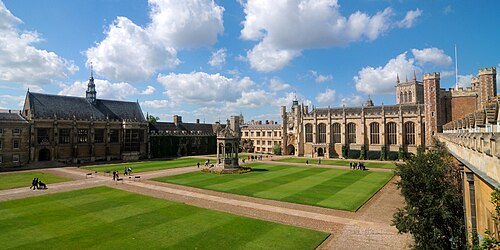
Students researching Cambridge may also encounter the Alternative Prospectus associated with Cambridge Students’ Union. It serves a different purpose from official University admissions information. Student-led material can provide perspectives on subjects, Colleges, university life, and experiences that are difficult to communicate through formal admissions pages alone.
The two types of resource are therefore better viewed as complementary rather than interchangeable. Official University information should be used when accuracy is essential, particularly for application requirements and other formal matters. Student perspectives can then add context by showing how aspects of Cambridge may be experienced in practice. Applicants should remember that individual experiences are personal and will not necessarily represent every student.
Using the Prospectus During the Application Process
The prospectus can help students understand the broad stages involved in becoming a Cambridge applicant, but it should not become their application calendar. Requirements can depend on the course, entry year, and individual circumstances. Once a student has decided to apply, they should create a checklist using current official admissions information rather than relying on dates remembered from an older publication.
This distinction is especially important for course-specific requirements. Applicants may need to consider qualifications, subject expectations, admissions tests, documents, and other stages relevant to their chosen course. Instead of assuming that every applicant follows an identical route, students should check what applies to them. Starting this research early also provides more time to deal with requirements that must be completed before or around the main application period.
Fees, Funding, and the Cost of Studying at Cambridge
The prospectus can introduce students to the financial side of university study, including tuition fees, living expenses, and possible sources of support. However, financial information is an area where current figures matter. Costs can depend on factors such as fee status, course, and entry year, so applicants should avoid building a budget around figures taken from an outdated prospectus or third-party article.
Funding should also be researched according to individual eligibility rather than assuming that every scholarship, bursary, or other form of support is available to every applicant. A useful financial plan considers tuition alongside accommodation and normal living expenses. Students can use the prospectus to identify the financial topics they need to investigate and then confirm current costs and funding arrangements through the appropriate University and College information.
How International Applicants Can Use the Prospectus
For international applicants, the Cambridge Prospectus can provide an accessible introduction to a university system that may differ considerably from the one in their home country. It can help students understand courses, Colleges, applications, costs, and student life before they begin researching requirements connected to their own qualifications and circumstances.
International applicants should pay particular attention to information that varies by country, qualification, or fee status. Academic requirements, English-language expectations, financial considerations, and application arrangements should be checked using current information relevant to the individual applicant. Beginning this process early is useful because obtaining documents or understanding how an overseas qualification fits Cambridge requirements can require additional preparation.
How to Get More Value From the Cambridge Prospectus
The best way to use the prospectus is to turn reading into a series of decisions. Students can begin by identifying courses that genuinely interest them and noting anything they do not understand. They can then investigate Colleges, consider financial questions, and explore what student life might look like. Keeping notes while researching makes it easier to compare options rather than repeatedly returning to the same information.
The next step is verification. Questions about current entry requirements, admissions arrangements, deadlines, costs, and other changing details should be answered through the latest relevant pages. Open Days and other applicant resources can also help students explore questions that written information does not fully answer. Used in this way, the prospectus becomes a starting map for deeper research rather than a document that students simply read and forget.
Final Thoughts on the Cambridge Prospectus
The Cambridge Prospectus can make the early stages of university research more manageable by giving prospective students a structured introduction to courses, Colleges, applications, finances, and student life. Its strongest role is helping applicants understand the options available and identify the areas they need to explore in greater depth.
A strong application decision should still be based on current, course-specific information. Students should use the prospectus to build their understanding and then verify important details for their intended entry year. Combining broad prospectus information with current academic requirements, College research, and relevant student perspectives gives prospective applicants a clearer foundation for deciding whether Cambridge is the right academic environment for them.
FAQs
Where can I find the Cambridge Prospectus?
Students looking for the University of Cambridge undergraduate prospectus should begin with the University’s official undergraduate study resources. Check the publisher and edition when using search results because older prospectuses and documents from other Cambridge-related institutions may also appear. Current official information is particularly important when researching applications, course requirements, costs, or other details that may change.
Can I use an old Cambridge Prospectus?
An older prospectus can still be useful for understanding general aspects of Cambridge, such as the College system and the broad university experience. It should not, however, be relied upon for time-sensitive information. Students should verify current course requirements, application arrangements, fees, deadlines, and similar details for the entry year they are considering.
What is the Cambridge Alternative Prospectus?
The Alternative Prospectus provides student-focused perspectives that complement formal University information. It can help prospective applicants explore experiences of courses, Colleges, and student life from a different viewpoint. Official Cambridge information should remain the main reference for formal requirements, while student-led resources can provide additional context.
Does the Cambridge Prospectus explain every course requirement?
The prospectus can introduce courses and help students begin comparing their options, but applicants should check the current page for their chosen course before making application decisions. Requirements and admissions arrangements may vary between subjects, so detailed preparation should be based on information specifically relevant to the course and entry year.
Is the Cambridge Prospectus enough for choosing a College?
It is a useful starting point, but students may benefit from researching individual Colleges in greater detail. Factors such as location, accommodation, facilities, community, and personal preferences can influence the decision. College resources, applicant events, and student perspectives can provide additional information once a student has created a shortlist.
You May Also Read: MML at Cambridge