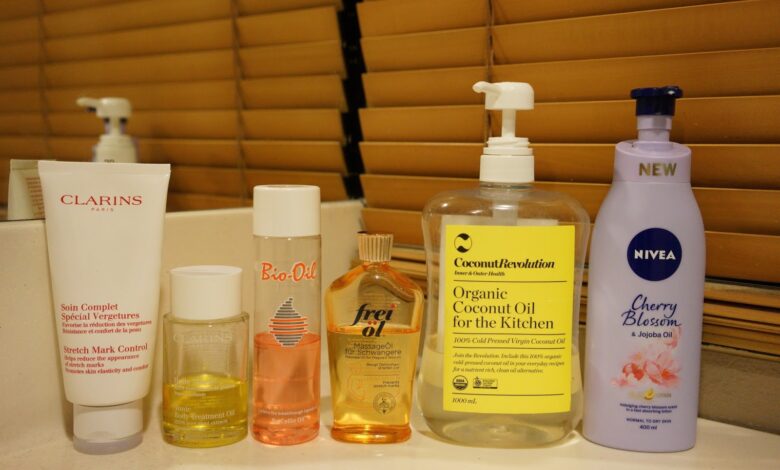
Bio Oil Alternative has been a household name in the skincare world for years, thanks to its ability to reduce the appearance of scars, stretch marks, and uneven skin tone. Loved by many for its hydrating formula, it remains a go-to solution for people looking to improve the look and feel of their skin. However, not everyone finds Bio Oil to be the perfect fit. Some prefer more natural skincare solutions, while others seek vegan, cruelty-free, or budget-friendly options. This is why the search for a Bio Oil alternative has become increasingly popular.
A good Bio Oil alternative should offer the same skin-repairing benefits without relying heavily on synthetic ingredients. Many plant-based oils and clean beauty products now offer equal – if not better – results while being gentler on sensitive skin. In this article, we’ll explore natural oils, DIY recipes, and store-bought clean beauty alternatives that can replace Bio Oil in your skincare routine. Whether you’re looking to treat scars, nourish dry skin, or prevent stretch marks, there’s an option for you.
Understanding Bio Oil and Its Benefits
Bio Oil is formulated with a combination of mineral oil, vitamins, and plant extracts. Its lightweight consistency allows it to penetrate deeply into the skin, improving elasticity and hydration. It is particularly praised for fading scars, reducing the appearance of stretch marks, and evening out skin tone. Many dermatologists also recommend it for pregnant women, as it helps maintain supple skin during rapid changes in body size.
Despite its popularity, Bio Oil isn’t without limitations. Its base ingredient is mineral oil, a petroleum-derived component, which some consumers prefer to avoid. Others find it too greasy, or worry about potential sensitivity from synthetic fragrance additives. Additionally, as more people become conscious of clean beauty trends, they want products that are 100% natural, plant-based, and cruelty-free.
This is where natural alternatives step in. Oils such as rosehip, jojoba, and coconut provide the same hydration and healing properties – often with added vitamins and antioxidants – without relying on synthetic fillers. For those looking to move toward a greener, more sustainable skincare routine, exploring Bio Oil alternatives makes perfect sense.
Natural Oil Alternatives to Bio Oil
Nature offers a wide range of oils that can serve as effective substitutes for Bio Oil. Each carries unique benefits and is suitable for different skin concerns.
Coconut Oil is one of the most accessible and versatile alternatives. Known for its deep hydration and antibacterial properties, it works well on dry patches and helps maintain the skin barrier. However, it may not suit acne-prone skin, as it can be comedogenic for some.
Rosehip Oil is often hailed as the “queen” of natural scar treatment. Rich in vitamins A and C, it helps stimulate collagen production, making it highly effective for scars, fine lines, and stretch marks. Its lightweight texture also makes it suitable for facial use.
Jojoba Oil mimics the skin’s natural sebum, making it ideal for balancing oil production. It’s a great choice for acne-prone or sensitive skin, as it doesn’t clog pores while still providing hydration.
Sweet Almond Oil is another excellent Bio Oil alternative. Packed with vitamin E, it improves skin elasticity and tone while remaining gentle enough for sensitive areas.
Argan Oil, rich in antioxidants and fatty acids, nourishes and protects the skin while preventing premature aging.
When compared with Bio Oil, these natural oils often provide equal or superior results without synthetic additives. Choosing the right oil depends on your skin type, specific concerns, and desired results.
DIY Bio Oil Alternatives at Home
For those who prefer a personalized skincare approach, making a DIY Bio Oil alternative at home is both cost-effective and rewarding. Blending natural oils allows you to customize the formula to your skin’s unique needs.
A simple DIY recipe could combine rosehip oil, jojoba oil, and vitamin E oil, creating a powerhouse blend for scars and stretch marks. For extra nourishment, add a few drops of essential oils such as lavender (calming), frankincense (skin rejuvenating), or tea tree (antibacterial).
Storage is equally important. Homemade blends should be kept in dark glass bottles to protect them from sunlight, which can reduce their potency. Generally, DIY blends last about 6–12 months, depending on the oils used.
Before applying any homemade oil blend, it’s essential to do a patch test. Natural doesn’t always mean irritation-free, and skin reactions can occur. Apply a small amount to the inner arm and wait 24 hours to ensure safety.
DIY alternatives give you full control over ingredients and allow you to avoid preservatives, fragrances, or chemicals commonly found in commercial skincare. They are an excellent option for those who want to embrace natural living while keeping skincare effective and affordable.
Store-Bought Clean Beauty Alternatives

Not everyone has the time to experiment with DIY solutions. Luckily, many clean beauty brands have developed ready-to-use Bio Oil alternatives that are natural, safe, and effective.
Palmer’s Cocoa Butter Formula is a well-loved product for preventing stretch marks and improving skin elasticity. It’s rich, moisturizing, and widely available at an affordable price.
Weleda Stretch Mark Oil combines almond oil, jojoba oil, and arnica extract, making it a nourishing and natural option for expectant mothers.
Burt’s Bees Mama Bee Oil is a lightweight, 100% natural oil blend that hydrates the skin while being safe for sensitive users.
The Ordinary 100% Organic Cold-Pressed Rosehip Oil is a favorite among skincare enthusiasts for its purity and effectiveness in treating scars and fine lines.
These alternatives are typically vegan, cruelty-free, and free from synthetic fragrances, making them excellent options for clean skincare lovers. When compared with Bio Oil, they often come at similar or lower price points while offering a fully natural ingredient list.
How to Use Bio Oil Alternatives Effectively
Regardless of whether you choose a DIY blend or a store-bought option, the way you apply oil matters just as much as the product itself. Oils should ideally be applied to damp skin, as this helps lock in moisture more effectively.
Massage the oil gently into the skin using circular motions, focusing on areas with scars, stretch marks, or dryness. Consistency is key – using oils once or twice daily for several weeks is necessary to see noticeable results.
Timing also plays a role. Applying oil after a shower ensures maximum absorption, while nighttime application allows the skin to repair itself as you sleep. Pregnant women can benefit from daily use to prevent stretch marks as the skin stretches.
Oils can also be layered with other skincare products. For example, using a vitamin C serum in the morning and rosehip oil at night can provide complementary benefits. However, avoid overloading your skin with too many products at once.
Results with natural oils are gradual but rewarding. Unlike quick-fix solutions, they nourish the skin deeply, leading to long-term improvement in texture and tone.
Conclusion
Bio Oil remains a popular skincare product, but it isn’t the only solution available. Many natural oils, DIY recipes, and clean beauty alternatives provide equal or better benefits without synthetic additives. Whether you’re drawn to rosehip oil for scars, coconut oil for hydration, or store-bought options like Weleda and Burt’s Bees, there’s a Bio Oil alternative suited to your needs.
The key is to choose an option that aligns with your skin type, lifestyle, and values. Natural oils offer versatility, affordability, and long-lasting benefits, making them excellent replacements for Bio Oil. By incorporating these alternatives into your routine, you can enjoy healthy, radiant skin while supporting cleaner and more sustainable skincare choices.
FAQs About Bio Oil Alternatives
What is the best natural alternative to Bio Oil?
Rosehip oil is widely considered the best natural alternative due to its scar-fading and skin-rejuvenating properties.
Is rosehip oil better than Bio Oil for scars?
Yes, rosehip oil contains vitamins A and C, which stimulate collagen and may outperform Bio Oil in reducing scars.
Can coconut oil replace Bio Oil for stretch marks?
Coconut oil is effective for moisturizing and preventing stretch marks but may not fade existing ones as quickly as rosehip oil.
Are Bio Oil alternatives safe during pregnancy?
Yes, natural oils such as almond oil, jojoba oil, and Weleda Stretch Mark Oil are safe and commonly used by pregnant women.
Which oil is best for sensitive skin?
Jojoba oil is the best choice for sensitive or acne-prone skin, as it mimics natural sebum and is non-comedogenic.
Do Bio Oil alternatives work as fast as the original?
Natural oils may take longer to show results but often provide deeper, long-term skin benefits.
Can I make my own Bio Oil alternative at home?
Yes, mixing oils like rosehip, jojoba, and vitamin E creates an effective DIY alternative.
Are there vegan and cruelty-free alternatives to Bio Oil?
Brands like Burt’s Bees, The Ordinary, and Weleda offer excellent vegan-friendly options.
How long does it take to see results with natural oils?
Most people notice improvements after 6–12 weeks of consistent use.
Can Bio Oil alternatives be used on the face?
Yes, oils like rosehip and jojoba are safe for facial use, while heavier oils like coconut may clog pores.
You May Also Read: Where to Stay in Muscat