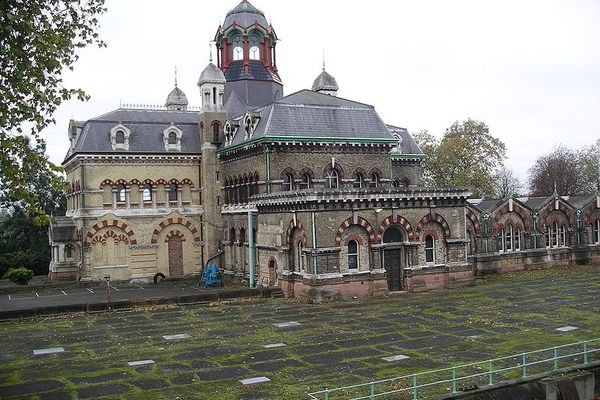
Abandoned buildings in London reveal a side of the capital that is often hidden behind modern developments, busy streets, and famous landmarks. While London is known for historic palaces, museums, and iconic architecture, thousands of forgotten structures have played important roles in the city’s history. Old railway stations, industrial buildings, churches, hospitals, and warehouses tell stories of changing industries, wartime damage, population movement, and urban redevelopment.
However, truly abandoned buildings are becoming increasingly rare in London. Due to the city’s high property demand, many unused structures are restored, demolished, or converted into new developments. This means that many locations described as “abandoned” today are actually former abandoned sites, historic ruins, or disused buildings with restricted access. Understanding this difference helps visitors appreciate these places while respecting ownership and preservation rules.
The fascination with forgotten London locations has grown through photography, documentaries, history projects, and urban exploration communities. People are drawn to these places because they provide a glimpse into another era, where old architecture, forgotten objects, and empty spaces preserve memories of how London once looked and functioned. From underground stations frozen in time to industrial landmarks waiting for renewal, these locations represent the relationship between London’s past and future.
Why Are There So Many Forgotten Buildings in London?
The history of abandoned buildings in London is closely connected to the city’s constant transformation. During the Industrial Revolution, London expanded rapidly, creating factories, warehouses, transport facilities, and large public buildings to support growing industries and communities. Many of these structures were designed for specific purposes, but as technology changed and industries moved elsewhere, some buildings became outdated and eventually fell into disuse.
War also played a major role in creating forgotten spaces across London. During World War II, bombing campaigns damaged thousands of buildings throughout the city. While many areas were rebuilt, some structures were left behind because restoration was considered too expensive or unsuitable for modern needs. These damaged locations became reminders of wartime history and the challenges London faced during reconstruction.
Economic changes have continued to influence the city’s abandoned spaces. Former factories, railway buildings, docks, and warehouses have often struggled to adapt as London moved from manufacturing toward service-based industries. Some areas that were once full of workers became empty for decades before eventually being transformed through regeneration projects. This cycle of abandonment and renewal remains an important part of London’s architectural story.
15 Famous Abandoned Buildings and Forgotten Places in London
Aldwych Underground Station
Aldwych Underground Station is one of London’s most famous disused transport locations. Opened in 1907 as part of the Piccadilly line, the station eventually became less practical as passenger numbers declined. It finally closed in 1994, leaving behind preserved platforms, old advertisements, and a unique underground atmosphere that feels connected to another period of London transport history.
The station also played an important role during World War II when valuable museum collections were stored underground for protection. Today, Aldwych is not open as a regular station, but occasional heritage events and guided experiences allow visitors to explore this remarkable piece of London’s hidden history.
Millennium Mills
Located in the Royal Docks area, Millennium Mills is a former industrial flour mill that represents London’s manufacturing past. Once a major facility producing flour for the city, the enormous building later became unused as industrial activity changed. Its large empty spaces, concrete structures, and industrial design made it popular among photographers and filmmakers interested in urban history.
Although often described as abandoned, Millennium Mills has been connected with regeneration plans aimed at transforming the area. Its story demonstrates how forgotten industrial buildings can move from decline toward new possibilities while maintaining links with their original purpose.
Battersea Power Station
Battersea Power Station is one of London’s most recognisable former abandoned landmarks. Built in the twentieth century, the power station supplied electricity to large parts of London before closing in the 1980s. For decades, its empty halls and famous chimneys became symbols of industrial decline and appeared in countless photographs.
Unlike many abandoned buildings, Battersea Power Station was successfully restored and transformed into a modern destination featuring shops, homes, offices, and public spaces. Its redevelopment shows how historic industrial buildings can receive a second life rather than being completely replaced.
St Dunstan in the East
St Dunstan in the East is a historic church ruin located in the City of London. Originally built centuries ago, the church suffered severe damage during World War II and was never completely rebuilt. Instead of removing the remains, London preserved the ruins and transformed the site into a peaceful public garden.
Today, it is one of the city’s most photographed historic locations. Although it is not abandoned in the traditional sense, it represents how damaged buildings can become valuable cultural spaces while preserving memories of the past.
Crystal Palace Subway
Crystal Palace Subway is a hidden Victorian structure beneath Crystal Palace Parade. Built in the nineteenth century, it once served as an important entrance route connected with the Crystal Palace railway system. After the area changed, the subway lost its original purpose and became a forgotten architectural feature.
The underground passage contains impressive Victorian brickwork and design details. Access is limited, but heritage organisations occasionally provide tours, allowing visitors to experience one of London’s lesser-known historic spaces.
Crossness Pumping Station
Crossness Pumping Station in southeast London is an example of Victorian engineering heritage. Originally built in the nineteenth century as part of London’s sewage system, the building contained enormous steam engines that represented advanced engineering for its time.
Although it became unused after modern systems replaced older technology, restoration efforts have preserved much of its historic machinery. Today, it serves as an important reminder of the engineering achievements that helped shape London’s growth.
Bishopsgate Goods Yard
Bishopsgate Goods Yard was once one of London’s major railway freight locations. Located in East London, it supported the movement of goods throughout the city before eventually becoming unused. The remains of the site reflected the importance of railway infrastructure during London’s industrial expansion.
The area has since become part of redevelopment discussions, showing how former industrial spaces are often transformed as London continues to grow.
Forgotten Hospitals, Schools and Residential Buildings
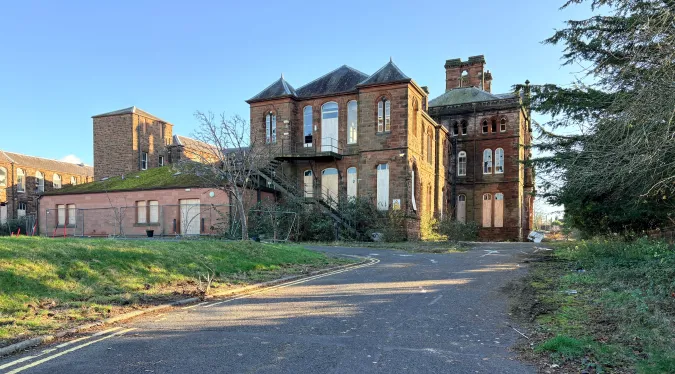
London also contains many former hospitals, schools, and residential buildings that have become empty over time. These locations often attract interest because they provide a connection to everyday life from previous generations. Empty classrooms, old medical facilities, and abandoned homes can reveal how communities changed and how public services evolved.
However, many of these buildings are private property and may contain safety risks. Exploring them without permission can be dangerous and illegal, making official access or historical research the best way to learn about their stories.
The Rise of Urban Exploration in London
Urban exploration, commonly known as urbex, has become increasingly popular among photographers and history enthusiasts. The activity focuses on documenting forgotten places and capturing the atmosphere of buildings that have been left behind. Photographs of abandoned factories, empty stations, and decaying interiors have helped introduce many people to London’s hidden architectural history.
Despite its popularity, responsible exploration is essential. Many abandoned locations contain hazards such as unstable floors, damaged structures, asbestos, and restricted areas. Entering private buildings without permission can also lead to legal consequences. The safest way to experience London’s forgotten spaces is through official tours, heritage events, and publicly accessible locations.
Best Abandoned Places in London for Photography
London’s forgotten buildings provide unique opportunities for photography because they combine architecture, history, and atmosphere. Locations with preserved ruins, old industrial designs, and unusual structures often create powerful images that show the passage of time.
Photographers interested in abandoned places should focus on legally accessible locations and respect restrictions. Good photography is not only about capturing decay but also about understanding the story behind the building. The most meaningful images show how people once used these spaces and why they remain important today.
Are Abandoned Buildings in London Safe to Visit?
Many abandoned buildings appear fascinating from the outside, but they can contain serious dangers. Years of neglect may cause structural problems, including weak floors, damaged ceilings, broken glass, and hazardous materials. Even buildings that look stable can become unsafe without proper maintenance.
Visitors should avoid entering restricted areas without permission. Instead, they can explore preserved ruins, heritage sites, guided tours, and publicly accessible locations. Responsible visiting protects both personal safety and the historical value of these buildings.
How London Is Preserving Forgotten Buildings
London faces a constant challenge: protecting historical buildings while making space for modern development. Many abandoned structures are expensive to restore, and decisions often involve balancing heritage value with practical needs.
Adaptive reuse has become an important solution. Instead of demolishing historic buildings, developers increasingly convert them into homes, offices, cultural spaces, and community areas. Projects like Battersea Power Station demonstrate how forgotten landmarks can become important parts of modern London.
Preserving abandoned buildings is not only about saving old walls. It is about protecting stories, memories, and connections between different generations. Every restored structure provides an opportunity to understand how London has changed.
Conclusion
Abandoned buildings in London are more than empty structures; they are reminders of the city’s industrial achievements, social changes, and architectural evolution. From disused underground stations to former factories and historic ruins, these locations reveal stories that are often hidden behind London’s modern appearance.
While many abandoned places are inaccessible or have already been restored, their history continues to attract photographers, researchers, and visitors. Exploring London’s forgotten spaces responsibly allows people to appreciate the city’s past while supporting the preservation of its future.
The most fascinating abandoned buildings are not simply places left behind. They are historical records that show how London has adapted, survived, and continued changing through generations.
Frequently Asked Questions
What are the most famous abandoned buildings in London?
Some famous forgotten locations include Aldwych Underground Station, Millennium Mills, Battersea Power Station, Crystal Palace Subway, and Crossness Pumping Station.
Can you legally explore abandoned buildings in London?
Most abandoned buildings are private property, so entering without permission may be considered trespassing. Official tours and heritage events are safer options.
Why are there abandoned buildings in London?
Common reasons include industrial decline, wartime damage, changing technology, redevelopment, and shifts in how buildings are used.
What are the best abandoned places in London for photography?
Historic ruins, heritage sites, and officially accessible locations provide some of the best photography opportunities while avoiding safety and legal issues.
Are abandoned buildings in London still being restored?
Yes, many former abandoned buildings are being restored or converted into new spaces through regeneration and adaptive reuse projects.
You May Also Read: Club Mill Road