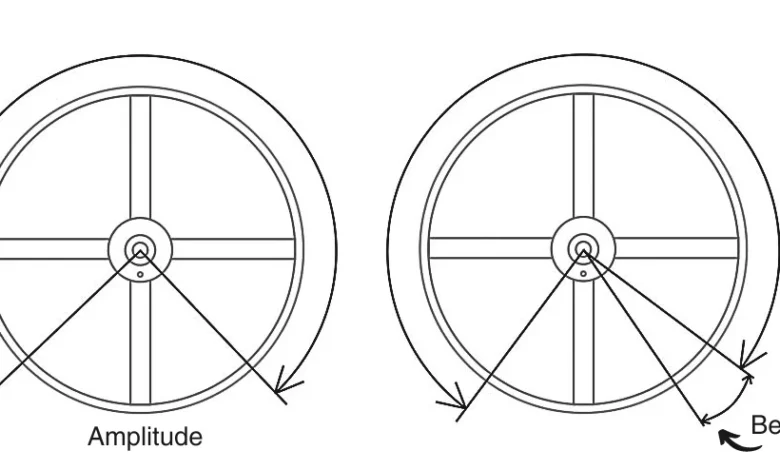
Amplitude is a fundamental concept used in physics and science to describe the maximum movement of a wave from its normal resting position. It represents the size, strength, or intensity of a wave and helps explain how energy moves through different systems. When a wave rises above or falls below its central position, the distance between the centre line and the highest or lowest point is known as amplitude. This measurement is important for understanding vibrations, signals, and wave behaviour in everyday life.
In simple terms, amplitude shows how much something moves or vibrates. A wave with a large amplitude has stronger movement and carries more energy, while a wave with a small amplitude has weaker movement. This concept is used in many areas, including sound, light, electrical signals, engineering, and communication technology. Understanding amplitude makes it easier to study how waves work and how they affect the world around us.
Amplitude Formula and How to Calculate It
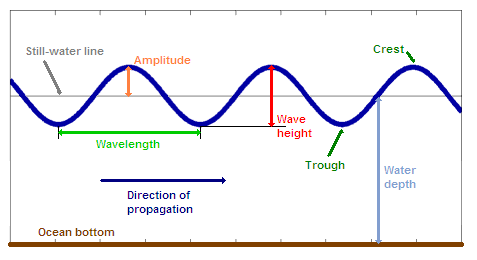
The amplitude formula is used to find the maximum displacement of a wave from its equilibrium or middle position. In a simple wave, amplitude is measured as the distance between the centre line and the peak of the wave. It is not measured from the highest point to the lowest point, as that distance represents twice the amplitude. This basic calculation helps scientists analyse the strength and behaviour of different wave movements.
In physics, amplitude can be calculated in different ways depending on the type of wave or vibration being studied. For example, in a simple harmonic motion, amplitude represents the maximum displacement from the equilibrium point. Engineers and researchers use these calculations to understand vibrations in machines, sound systems, and electronic devices. Accurate amplitude measurements allow experts to improve designs, reduce problems, and create more efficient technology.
Types of Amplitude in Different Fields
Amplitude is used across many scientific and technological fields, and its meaning can slightly change depending on the situation. In wave physics, it describes the height or strength of a wave. In sound science, it explains the power of vibrations that travel through air. In electrical engineering, amplitude represents the strength of an electrical signal, such as voltage or current changes.
Different types of amplitude include wave amplitude, sound amplitude, light amplitude, and signal amplitude. Each type helps professionals study how energy moves and how strong a particular signal or vibration is. For example, scientists studying ocean waves use amplitude to understand wave size, while communication engineers use signal amplitude to improve data transmission. These different applications show why amplitude is an important measurement in modern science and technology.
Amplitude in Sound Waves and Music
Amplitude plays a major role in sound because it controls the loudness of a sound wave. When an object vibrates, it creates pressure changes in the surrounding air. Stronger vibrations create waves with greater amplitude, which our ears hear as louder sounds. Smaller vibrations produce lower amplitude waves, resulting in quieter sounds. This connection between vibration strength and sound volume helps explain how we experience different levels of noise.
Musicians, audio engineers, and recording professionals use amplitude when creating and editing music. Microphones detect sound vibrations, while speakers convert electrical signals back into sound waves. By adjusting amplitude levels, professionals can increase volume, remove unwanted noise, and create clearer audio experiences. However, amplitude affects loudness, while frequency controls the pitch of a sound. Understanding both concepts is important for producing high-quality music and sound recordings.
Amplitude in Light Waves and Electromagnetic Waves
Amplitude is also an important feature of light and electromagnetic waves. In visible light, amplitude is connected with the intensity or brightness of the light. A light wave with a higher amplitude carries more energy and appears brighter, while a lower amplitude wave produces weaker light. Scientists use this information when studying different types of electromagnetic radiation and developing advanced technologies.
Modern systems such as lasers, fibre optic communication, and wireless networks depend on controlling wave properties, including amplitude. Engineers adjust signal strength to improve performance and maintain reliable communication. By understanding amplitude in electromagnetic waves, researchers can create better technologies for medical equipment, internet connections, and scientific experiments. This shows how a simple physics concept has a major impact on advanced systems used around the world.
Amplitude Examples in Everyday Life
Amplitude can be seen in many everyday examples, even though people may not always notice it. Ocean waves are one of the easiest examples to understand. A large ocean wave has a higher amplitude because it moves further from its normal water level, while a small wave has a lower amplitude. This difference helps scientists study water movement and predict wave behaviour.
Other common examples include musical instruments, human voices, and electronic devices. When a guitar string is pulled further before releasing, it creates stronger vibrations with higher amplitude. When someone speaks louder, their vocal cords create stronger sound waves. Mobile phones, radios, and televisions also rely on signal amplitude to send and receive information. These examples show that amplitude is closely connected to many parts of daily life.
Difference Between Amplitude, Frequency and Wavelength
Amplitude, frequency, and wavelength are three important properties of waves, but each describes something different. Amplitude measures the strength or height of a wave, while frequency measures how many complete waves pass a specific point in a certain amount of time. Wavelength refers to the distance between two matching points on a wave, such as two consecutive peaks.
Many students confuse these terms because they all describe wave behaviour. However, understanding their differences makes physics easier to learn. A sound can have a high amplitude and still have a low frequency, meaning it can be loud but have a low pitch. Similarly, changing wavelength does not automatically change amplitude. Each property has its own role in explaining how waves behave.
How Amplitude Is Measured
Amplitude is measured using different tools depending on the type of wave being analysed. Scientists often use oscilloscopes to view and measure electrical signals because these devices display wave patterns clearly. In sound studies, microphones and sound meters measure changes in air pressure to determine sound strength and volume levels.
Accurate amplitude measurement is important in many industries, including engineering, healthcare, communication, and research. Doctors and scientists use wave measurements in technologies such as medical imaging, while engineers use them to test machines and electronic systems. Measuring amplitude correctly helps improve safety, performance, and reliability in many applications.
Importance and Applications of Amplitude
Amplitude is important because it helps scientists and engineers understand how energy moves through waves and signals. Without this measurement, it would be difficult to analyse sound quality, electronic communication, or natural wave movements. Amplitude provides valuable information about the strength and behaviour of different systems.
Many industries depend on amplitude measurements for innovation and improvement. Telecommunications companies use it to maintain strong signals, audio companies use it to improve sound quality, and engineers use it to monitor vibrations in machines. From everyday technology to advanced scientific research, amplitude continues to play a vital role in understanding and controlling energy.
Amplitude in Digital Analytics
The word Amplitude also refers to a popular digital analytics platform used by businesses to understand customer behaviour. Unlike the physics meaning, this Amplitude platform focuses on collecting and analysing user activity on websites and mobile applications. Companies use it to discover how customers interact with digital products and identify ways to improve user experiences.
The analytics platform provides insights into customer journeys, product performance, and engagement patterns. Businesses use these insights to make better decisions and create products that meet user needs. Although the scientific concept and the software platform have different meanings, both are connected by the idea of measuring important patterns and understanding results.
Conclusion
Amplitude is a powerful concept that explains the strength and movement of waves, vibrations, and signals. From sound waves and light waves to communication systems and technology, amplitude helps us understand how energy travels and how different systems work. Learning about amplitude provides a strong foundation for studying physics and many modern applications.
Whether you are a student, engineer, musician, or technology user, understanding amplitude can help explain many things experienced in everyday life. Its role in science, communication, and digital technology shows why this simple measurement remains an essential part of the modern world.
FAQs
What is amplitude in simple terms?
Amplitude is the maximum distance a wave moves from its normal resting position.
What is the formula for amplitude?
Amplitude is calculated by measuring the distance from the centre point of a wave to its highest or lowest point.
Does amplitude affect sound volume?
Yes, higher amplitude creates louder sounds, while lower amplitude creates quieter sounds.
What is the difference between amplitude and frequency?
Amplitude measures wave strength, while frequency measures how often a wave repeats.
Where is amplitude used in real life?
Amplitude is used in sound, light, communication systems, engineering, and scientific research.
You May Also Read: Sycamore Tree