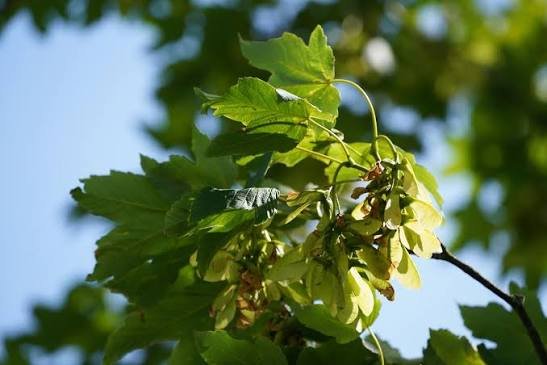
The sycamore tree is one of the most familiar and impressive trees found across the UK. With its large green leaves, spreading branches, and strong growth habits, it has become a common sight in parks, woodlands, countryside areas, and gardens. Many people recognise this tree because of its helicopter-shaped seeds, which spin through the air during autumn. The sycamore tree is valued not only for its appearance but also for its role in supporting wildlife and improving natural landscapes.
Known scientifically as Acer pseudoplatanus, the sycamore tree belongs to the maple family and has adapted well to different environments. Although it was introduced to Britain centuries ago, it is now considered a well-established part of the British countryside. This complete guide explores the tree’s identification features, history, growth, benefits, uses, and important facts that help readers understand why this species remains so popular.
What Is a Sycamore Tree?
A sycamore tree is a large deciduous broadleaf tree that belongs to the Sapindaceae family, which includes many maple species. It is known for losing its leaves during the colder months and producing fresh green foliage during spring. The tree can grow to impressive heights and develop a wide, rounded crown that creates valuable shade and shelter. Because of its strong nature, it can survive in many different conditions, including windy and coastal locations.
The scientific name of the sycamore tree is Acer pseudoplatanus, and it is sometimes called the sycamore maple. This name helps distinguish it from the American sycamore tree, which belongs to a different group of plants. In the UK, when people refer to a sycamore tree, they usually mean Acer pseudoplatanus. Its ability to grow quickly and adapt to different soils has helped it become widespread across Britain.
Sycamore Tree Identification: Leaves, Bark and Seeds
Identifying a sycamore tree becomes easier when you understand its main features. The leaves are one of the most noticeable characteristics, as they are large, green, and shaped with five rounded lobes. They look similar to other maple leaves but usually have thicker textures and more noticeable edges. During autumn, the leaves often change colour before falling, creating seasonal interest in gardens and woodland areas.
Another important identification feature is the bark. Young sycamore trees have smooth grey bark, while older trees develop rougher bark with patches that peel away naturally. The tree also produces winged seeds called samaras, commonly known as helicopters. These seeds spin as they fall, helping them travel away from the parent tree and allowing new sycamore trees to grow in different areas.
History and Origin of the Sycamore Tree
The sycamore tree originally comes from central, eastern, and southern Europe, along with parts of western Asia. It was introduced to Britain many centuries ago and gradually became a familiar part of the landscape. Because the tree grows well in a wide range of conditions, it spread successfully throughout the country and became common near farms, villages, roads, and estates.
Throughout history, the sycamore tree has been appreciated for both practical and cultural reasons. Its strong timber was used for making furniture, tools, and household items, while its large canopy provided shade and shelter. Some famous sycamore trees have also gained cultural importance, including the Sycamore Gap Tree, which became one of the most recognised trees in the UK due to its unique location and appearance.
Sycamore Tree Growth, Size and Lifespan
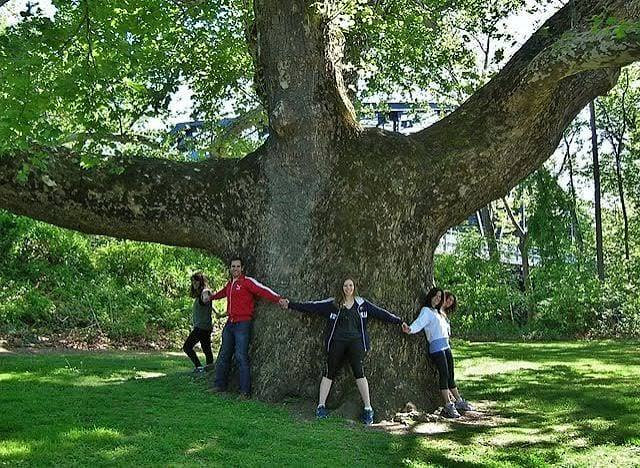
A mature sycamore tree can become a large and powerful feature in any landscape. Under suitable conditions, it can reach heights of around 30 to 35 metres, with a broad crown supported by strong branches. Its fast growth rate makes it attractive for larger gardens, parks, and woodland planting projects where there is enough space for development.
The sycamore tree is highly adaptable and can grow in different soil types, including clay, loam, and sandy soils. It prefers areas with good sunlight but can also tolerate some shade. With proper growing conditions, these trees can survive for several hundred years. Older sycamores often become important habitats because their size and age provide homes for birds, insects, and other wildlife.
Benefits and Uses of the Sycamore Tree
The sycamore tree offers many environmental benefits that make it valuable in natural areas. Its wide branches provide shelter for birds, while its flowers attract insects such as bees. The tree also contributes to healthier ecosystems by improving air quality, storing carbon, and creating cooler shaded areas during warm weather. These benefits make it an important species in many landscapes.
Sycamore wood is another reason why this tree has been widely used. The timber is pale, strong, and easy to work with, making it suitable for furniture, flooring, kitchen equipment, and musical instruments. The wood’s attractive appearance and durability have made it popular among craftsmen. In addition, many people plant sycamore trees because they add beauty and character to outdoor spaces.
Planting and Caring for a Sycamore Tree
Planting a sycamore tree requires careful planning because it can grow into a very large tree. It should be placed in an open area where its roots and branches have enough room to expand. Young trees benefit from regular watering, especially during dry periods, while good soil preparation can support stronger early growth. Choosing the correct location is important because mature sycamores need significant space.
Although the sycamore tree is generally low maintenance, basic care can help it remain healthy. Occasional pruning may be needed to remove damaged branches or maintain a suitable shape. Gardeners should also monitor young trees for signs of disease or stress. Because the tree produces many seeds, regular removal of unwanted seedlings may be necessary in smaller gardens.
Common Problems and Concerns With Sycamore Trees
Like all tree species, the sycamore tree can face certain challenges. Common problems include fungal diseases, leaf damage, and insect activity. Healthy trees are usually able to handle many issues naturally, but poor growing conditions or extreme weather can make them more vulnerable. Regular observation can help identify problems early and prevent serious damage.
One concern associated with sycamore trees is their large seed production. The helicopter-shaped seeds can spread widely and may grow in unwanted places such as gardens, paths, and nearby land. Another important issue is that sycamore seeds can be dangerous for horses if eaten in large quantities. Horse owners should take care when sycamore seeds are present in grazing areas.
Sycamore Tree Compared With Other Trees
The sycamore tree is often confused with other similar species, especially because many maple trees have similar leaf shapes. However, several features can help separate them. The UK sycamore has distinctive leaves, peeling bark on mature trees, and characteristic winged seeds that make identification easier.
The American sycamore is another tree that causes confusion because it shares the same common name. However, it belongs to the plane tree group rather than the maple family. It usually has different bark patterns and growth characteristics. Understanding these differences helps gardeners and nature enthusiasts correctly identify the trees they see.
Interesting Sycamore Tree Facts
The sycamore tree has many interesting qualities that make it fascinating to learn about. Its seeds are one of its most famous features because their helicopter-like shape allows them to rotate through the air and spread naturally. This clever design helps the tree reproduce successfully across large areas.
Another interesting fact is that sycamores can live for hundreds of years when conditions are suitable. Their large size and long lifespan allow them to become important parts of local ecosystems. From providing shelter for wildlife to offering useful timber, the sycamore tree continues to play an important role in nature and human life.
Conclusion: Why the Sycamore Tree Remains Important
The sycamore tree is a remarkable species that combines beauty, strength, and usefulness. Its large leaves, distinctive seeds, impressive size, and ability to survive in different environments have helped it become one of the most recognisable trees in the UK. Whether growing in forests, parks, or open countryside, it continues to add value to natural landscapes.
Understanding the sycamore tree helps people appreciate its environmental role, historical importance, and practical uses. Although it can become too large for some small gardens, it remains an important tree for wildlife, timber production, and landscape beauty. Protecting and respecting these trees ensures that future generations can continue enjoying their benefits.
FAQs
What is a sycamore tree?
A sycamore tree is a large deciduous tree from the maple family, scientifically known as Acer pseudoplatanus.
How can you identify a sycamore tree?
You can identify it by its five-lobed leaves, grey bark, and helicopter-shaped winged seeds.
Are sycamore trees native to the UK?
No, sycamore trees were introduced to Britain but are now widely established across the country.
How tall can a sycamore tree grow?
A mature sycamore tree can grow around 30 to 35 metres tall in suitable conditions.
What are sycamore trees used for?
Sycamore wood is used for furniture, flooring, tools, and musical instruments.
Can you plant a sycamore tree in a garden?
Yes, but it needs plenty of space because it becomes a large tree.
Are sycamore seeds harmful to animals?
Large amounts of sycamore seeds can be harmful to horses, especially when eaten regularly.
You May Also Read: Lake District